Start With The Viewing Distance And The Message
The best banner size is the one people can read without strain. If it is for a hallway, foyer or classroom gate, smaller formats can work well because viewers stand close. If it is for a street fence, sports field or roadside event, you need larger lettering and usually a wider banner so the message is still clear from several metres away.
A good rule is to match the size to the viewing distance. A banner meant for 2 to 5 metres away can be compact, while anything seen from across a parking area or field should allow for bigger text and fewer words. For KZN schools and clubs, this matters when banners are used at assemblies, netball days, rugby fixtures or award evenings where people are moving and reading quickly.
Also think about what the banner must say. A name, date and logo can fit neatly on a smaller banner. A list of sponsors, fixtures, opening hours or a full promotion needs more width or height. If the message is too busy, the banner starts working against you.
Common Banner Sizes We See In Durban
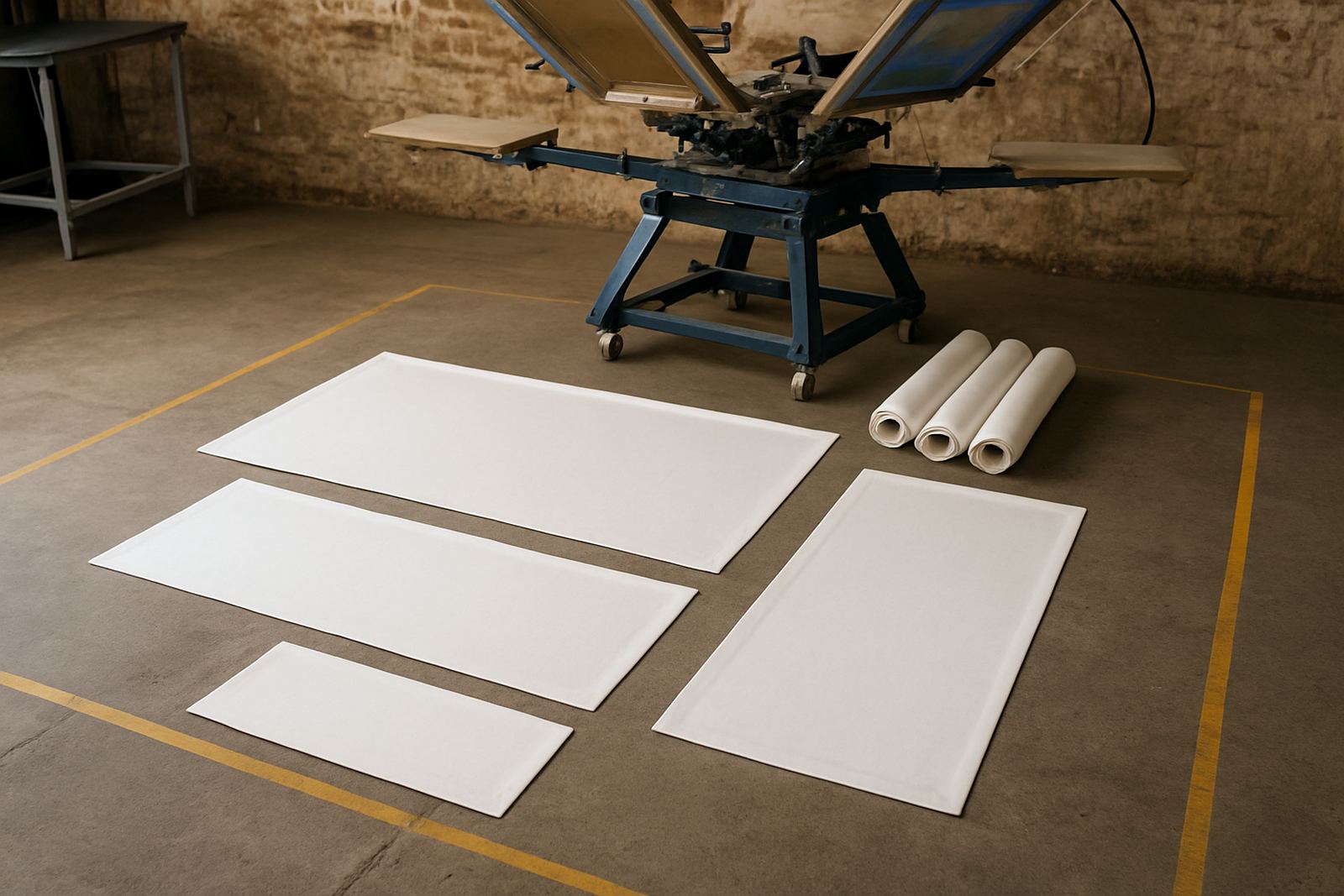
Most clients use a few standard sizes because they are easy to hang, cost effective and simple to reuse. At our Umbilo workshop we often make banners for school events, business openings, church functions and club fundraisers in sizes that suit fences, tables and stage fronts.
- 1.8 m x 0.6 m for short announcements, table fronts and narrow spaces
- 2 m x 1 m for shopfronts, notices and medium distance viewing
- 3 m x 1 m for sports grounds, boundary fencing and event branding
- 3 m x 1.2 m for stronger visibility where the banner must carry more text
- 4 m x 1 m or larger for roadside exposure, big events and long fence runs
If you are unsure, measure the available wall or fence section first. Then leave enough room for eyelets, rope or cable ties. A banner that is cut too close to the edges can be awkward to secure, especially in Durban wind and afternoon rain.
Measure The Space Before You Order
Take a tape measure and record the actual usable area, not just the total wall or fence length. Check where posts, gates, poles, lights or steps interrupt the space. Allow a little margin so the banner does not sit cramped against a corner or cover important signage.
For outdoor use, think about height as much as width. A banner hung too low can get damaged by people walking past or by vehicles turning in. A banner hung too high may be hard to read. On school fencing and sports perimeters, a horizontal layout is usually the most practical, but some entrances and indoor spaces work better with a tall format.
- Measure the full opening or fence section
- Allow space for fixing points on all sides
- Check that the banner will not block doors, windows or fire exits
- Make sure the printed message sits in the clearest part of the viewing area
Pick The Right Material For KZN Weather
In Durban and along the coast, humidity and sudden showers can affect printed work, so the material matters. Outdoor banners need enough strength to handle wind, sun and damp air. If the banner will be reused often, it should also be easy to roll and store without creasing badly.
For long exposure outdoors, a stronger banner material with reinforced edges is usually the safer choice. For indoor halls, foyer displays and short term events, a lighter option may be suitable and more economical. If a banner will sit near the sea or in a very open area, ask for a finish that can cope better with moisture and repeated handling.
We also recommend considering how it will be fixed. Eyelets are useful for rope, cable ties and hooks, while pole pockets suit some suspended signs. The fixing method should be chosen before printing, not after. That way the banner hangs straight and the artwork is placed correctly.
Make The Artwork Fit The Size
Banner size affects design just as much as printing cost. A wide banner gives more space for logos, sponsor panels and supporting information. A smaller one needs tighter wording and stronger contrast. In practice, large text and simple layouts work best, especially for moving crowds or quick roadside reading.
Before production, we check artwork, redraw logos if needed, separate colours where necessary and prepare the file for the chosen output method. That helps avoid stretched logos, blurry images and text that disappears from a distance. If the supplied artwork is low quality, it is better to fix it before printing than to discover the issue after the banner is hung.
- Use short wording where possible
- Keep the main message high and central
- Choose strong contrast between text and background
- Avoid cramming too many logos into one small banner
- Leave clear space around the edges so nothing important is lost in fixing or hemming
Checklist For Schools, Clubs And Businesses
If you are ordering a banner for a school event, sports day, business promotion or club function, it helps to work through a simple checklist first. This saves time and keeps the size practical for your venue and budget. It also helps with courier delivery nationwide, because the finished banner can be packed to match the job properly.
- Where will the banner hang
- How far away must it be read
- Will it be used indoors or outdoors
- How long does it need to last
- Will it be reused for more than one event
- Do you need eyelets, pole pockets or another fixing method
- Are there school rules, venue rules or municipal limits for placement
If the banner is for a roadside edge, gate or public event in Durban, check that it does not block sight lines or breach local placement rules. For schools and sports grounds, make sure the banner can be removed quickly if weather changes. Load shedding can also affect night events, so keep any printed text readable in lower light and avoid overloading the layout with too many small details.
When To Ask For A Custom Size
Not every space suits a standard banner. Some entrances are narrow, some fences are longer than expected, and some stages need a precise fit. Custom sizing is the right choice when the banner must sit between poles, cover a specific panel, or line up with an existing frame.
If you already know the space, send the measurements through the enquiry form on our contact page and we can guide you on the best size for your use. In-house screen making, stencil work and printing support a wide range of banner jobs, from a single event sign to repeated runs for schools and businesses across KZN.
For clients in Umbilo, Durban Central, Berea, Pinetown, Westville, Amanzimtoti, Ballito and Pietermaritzburg, the main aim is the same: get a banner that fits properly, reads clearly and lasts long enough for the job at hand.