
Start With the Garment Use, Not the Print First
Before you choose fabric, think about how the item will be worn. A staff shirt for daily use in Durban heat needs a different cloth from a winter club hoodie, and a promotional tee for a one-day event has its own needs too. If the garment will be washed every week, handled by learners, or worn in a humid coastal area, the fibre choice matters as much as the print method.
As a rule, we ask three questions first: who will wear it, how often will it be washed, and where will it be used. That gives you a better starting point than picking by price alone. A cheap fabric can lose shape quickly, while the right mid-weight option can look neater for longer and print cleaner, especially on larger runs where consistency matters.
Cotton: Best for Comfort and Everyday Wear
Cotton is still the go-to for many T-shirts because it feels soft, breathes well, and suits warm KZN conditions. It takes print well on most everyday apparel and is a good option for schools, clubs, and casual staff wear. If you want a natural hand feel and a garment that is comfortable in summer, cotton is often the safest choice.
Look for the fabric weight and knit as much as the fibre content. A lighter cotton tee can feel cooler but may show wear sooner, while a heavier cotton shirt usually holds its shape better after repeated washing. For workwear or items that need a neater finish, a firmer cotton knit is generally a better pick than a thin one that stretches out by lunchtime.
- Choose cotton for comfort, breathability and a familiar feel.
- Good for short-sleeve T-shirts, casual uniforms and event wear.
- Check the garment weight if you want better shape retention.
- Expect some natural shrinkage if the fabric is not pre-shrunk.
Blends: A Practical Balance for Wear and Care
Blended fabrics combine natural and synthetic fibres, usually to improve durability, reduce creasing and help garments dry faster. For busy uniforms, clubwear and high-turnover promotional clothing, blends can be the practical middle ground. They often keep a sharper shape than pure cotton and can handle repeated washing a bit better, especially when used in offices, schools and hospitality settings.
Blends are especially useful when you need a garment that still feels comfortable but is less likely to sag or take too long to dry after washing. In humid Durban conditions, that can make a real difference. Some blends also work well for bulk orders because they tend to stay more consistent across sizes, which helps when you are fitting a whole team or class.
- Choose blends when you want easier care and quicker drying.
- Useful for uniforms, promotional tops and event garments.
- Often hold shape better than plain cotton.
- Good option if your team washes items frequently.
Fleece for Cooler Months, Early Starts and Indoor Wear
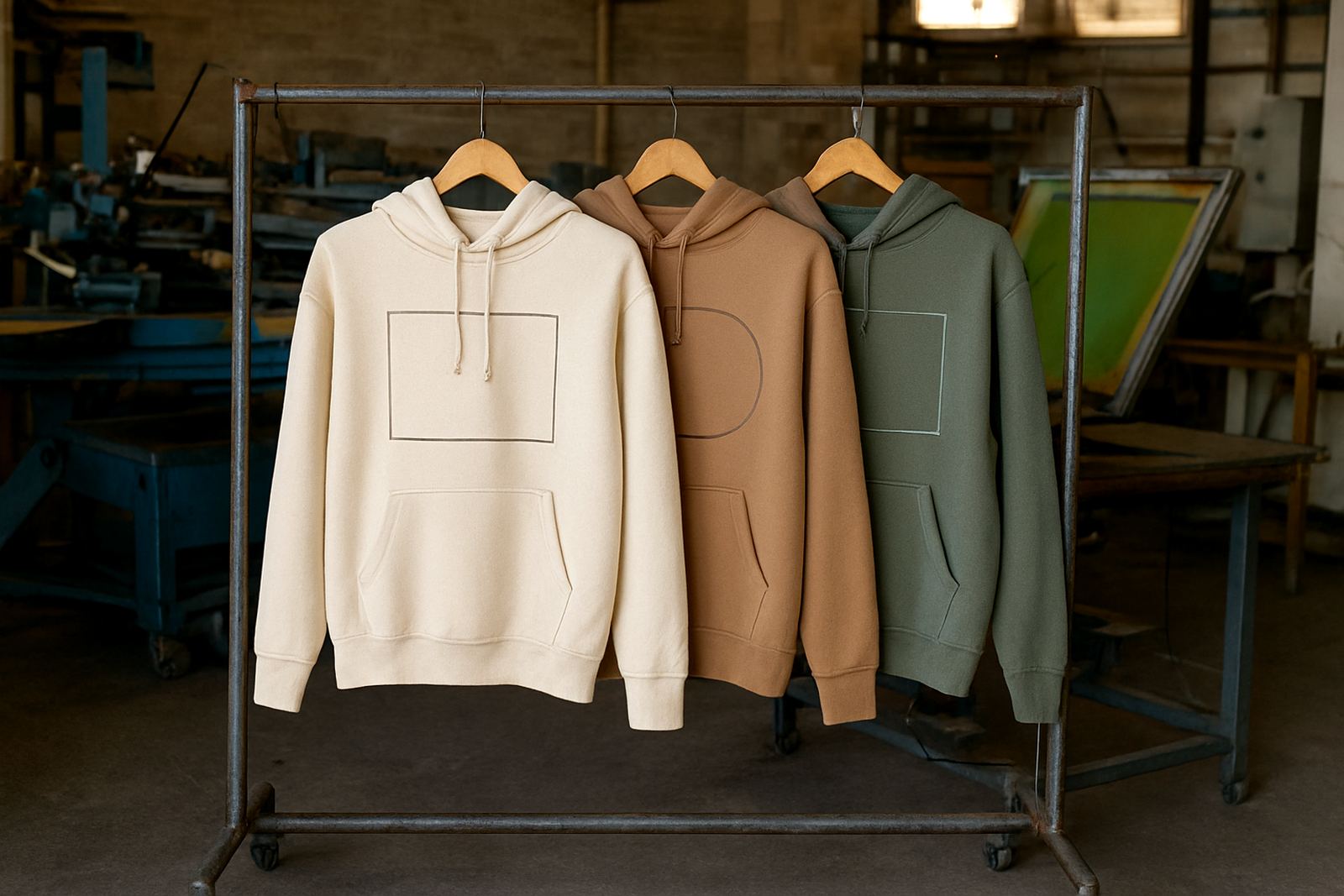
Fleece is a solid choice for hoodies, zip tops and winter layers. It gives warmth without feeling too heavy, so it suits school staff, sports groups and teams starting work early in colder inland towns like Pietermaritzburg. In Durban, fleece is still useful for air-conditioned spaces, early morning loading, or evening events when the temperature drops.
When selecting fleece, check the inner feel, thickness and stitch finish. A smoother outer surface usually gives a cleaner print area, while a softer brushed inside adds comfort. If you are buying for a group, choose a colour that will still look neat after repeated wear because fleece can show lint and dust more than a flat knit, especially on darker shades.
For printed fleece items, the fabric should be stable enough to keep the print area flat. Loose or overly stretchy fleece can make artwork less tidy, so the garment cut matters almost as much as the cloth itself.
Lightweight Fabrics for Heat, Movement and Events
Lightweight fabrics work well when the wearer needs cool, easy movement and a less bulky feel. They are often chosen for sports events, summer promotions, learner activities and outdoor functions around Durban, Westville or Ballito. If the item is going to be worn in full sun or packed into bags and worn again later, lighter cloth can be a practical option.
That said, lightweight does not mean flimsy. The fabric still needs enough structure to keep a clean print surface. A garment that is too thin may cling, twist or show seams more than you want. For school functions and team days, a mid-light option is often better than the thinnest possible shirt because it balances comfort with presentation.
- Best for hot weather and active wear.
- Works well for short events and high-movement use.
- Choose enough weight to avoid see-through areas.
- Consider the final look after washing, not only on day one.
A Simple Fabric Checklist Before You Order
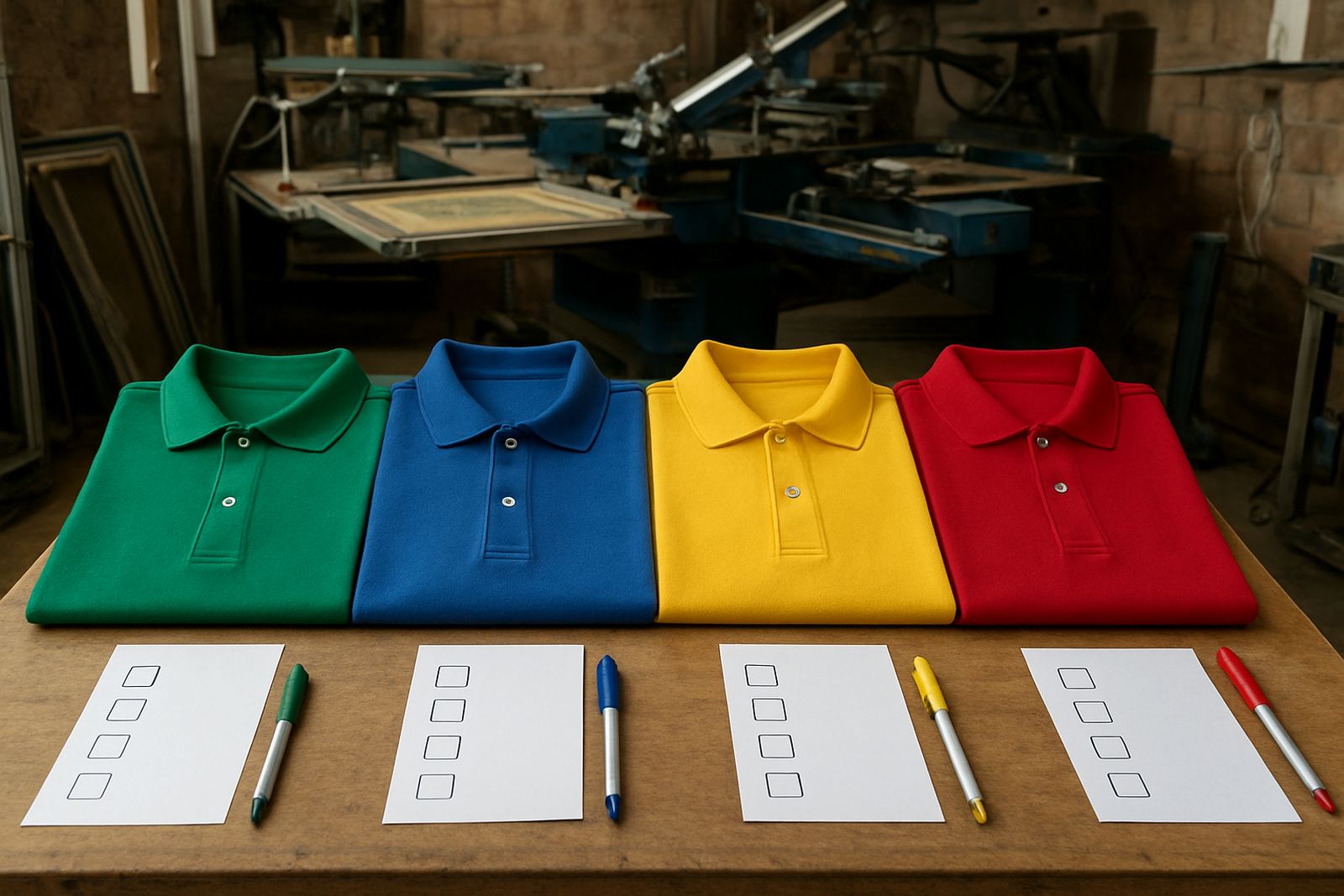
If you are ordering for a school, club or business, use this checklist before placing the run. It saves time and helps prevent last-minute changes. We also recommend sharing your garment choice with the artwork team early, because fabric texture, colour and stretch can affect the final print result more than many buyers expect.
- Confirm who will wear the garment and how often.
- Decide whether comfort, durability or easy care comes first.
- Check the colour against the print colour you want.
- Ask whether the garment is pre-shrunk or likely to shrink.
- Choose sizes that suit your full team, including fit for layers.
- Allow time for artwork checking, colour separation and test printing if needed.
- Plan for delivery to your area, whether that is Umbilo, Berea, Pinetown or farther afield.
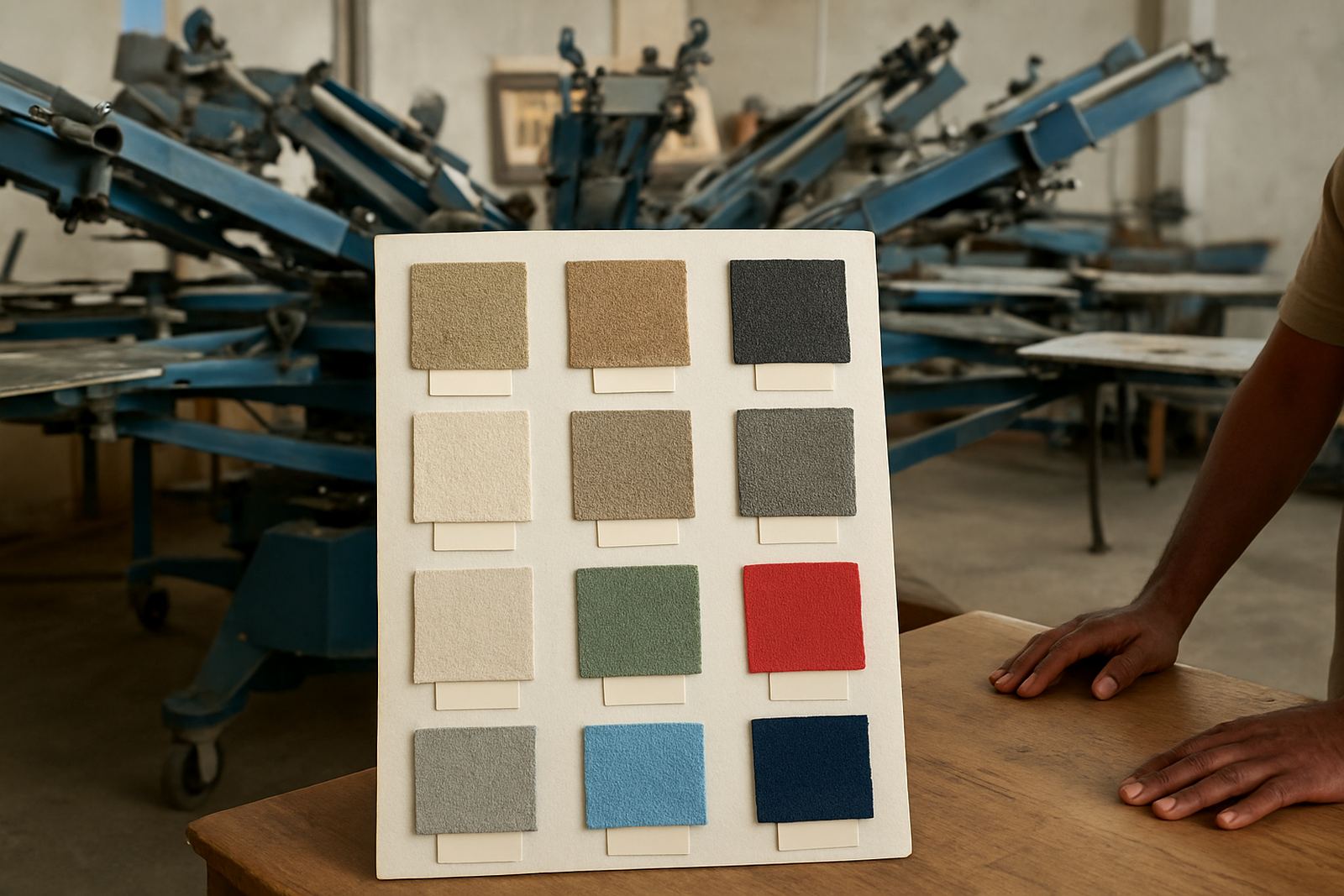
It helps to order a sample or at least feel a fabric swatch before approving a large run. That small step can prevent disappointment, especially when the order is for uniforms that need to look consistent across many pieces.
Match the Fabric to the Print and the Deliveries Plan
The right fabric is only part of a good order. The print method, garment colour and timeline also matter, particularly for larger school or business jobs. A smooth, stable fabric usually gives the cleanest result for detailed artwork, while textured or very stretchy items may need more careful preparation in the screen room. That is why we check artwork, prepare screens in-house, and test where needed before a full run goes ahead.
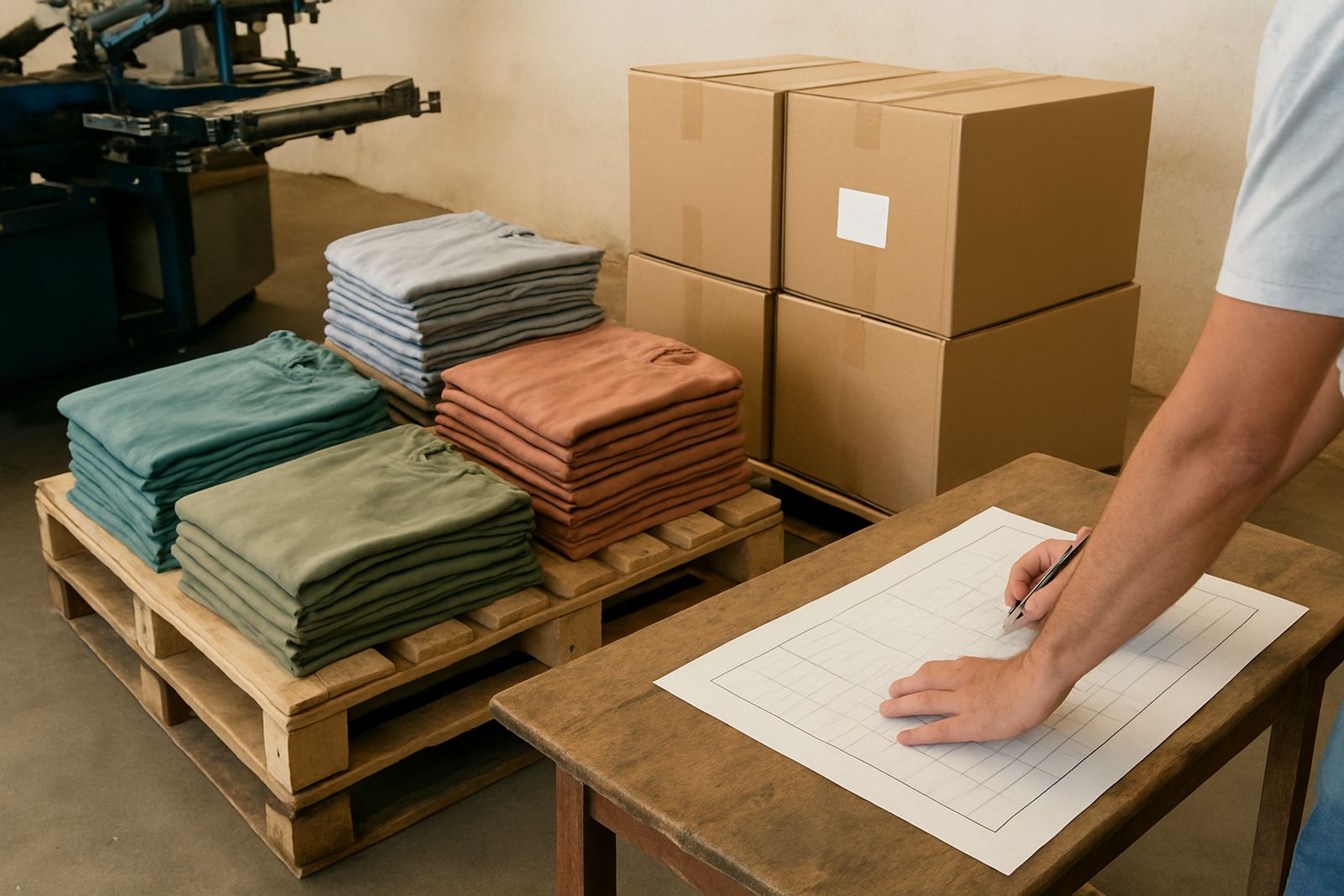
If your order is going to different branches or sites, plan sizes and pack labels early. Courier delivery across KZN and nationwide is easier when the fabric choice is final and the artwork is approved. For urgent local work in Durban Central, Umbilo, Pinetown or Westville, it is best to keep your fabric choice settled so production can move without delays. A clear brief at the start saves back-and-forth later, and that usually means a smoother order from first enquiry to dispatch.