
Start With the Shirt Use, Not Just the Artwork
Before you collect sizes, decide exactly how the shirts will be used. A sports day shirt, a class leaver shirt, a fundraiser tee and a full staff uniform all need different fabrics, print positions and quantity splits. Cotton tees work well for everyday wear, while polyester blends are often better for sport and quicker drying in humid Durban weather.
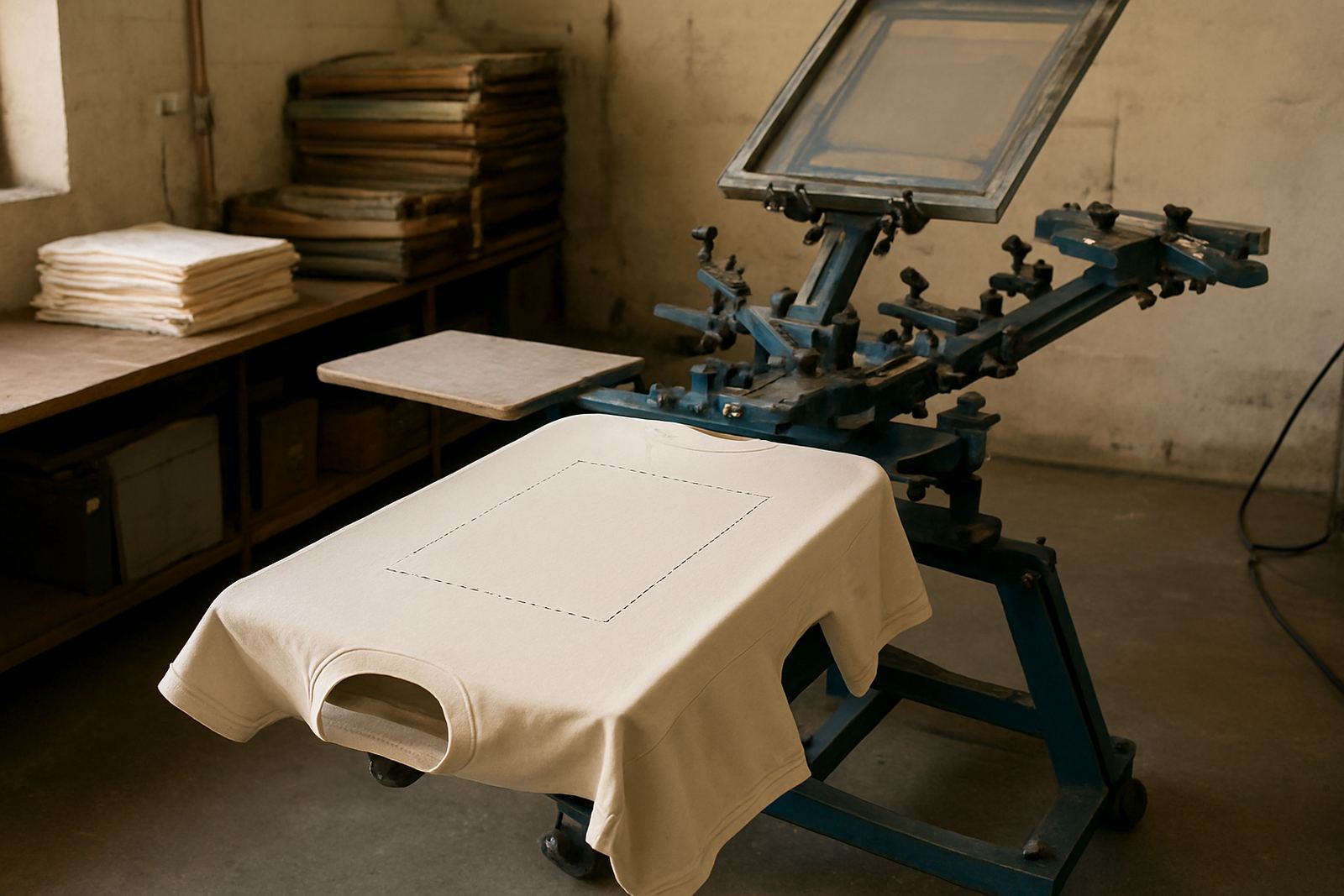
It also helps to note where the print must sit. Front only, back only, left chest, sleeve prints or a combination each affects cost and setup. If the school wants learners to wear shirts under blazers or jerseys, keep print size modest so the garment stays comfortable.
Collect Sizes Properly the First Time
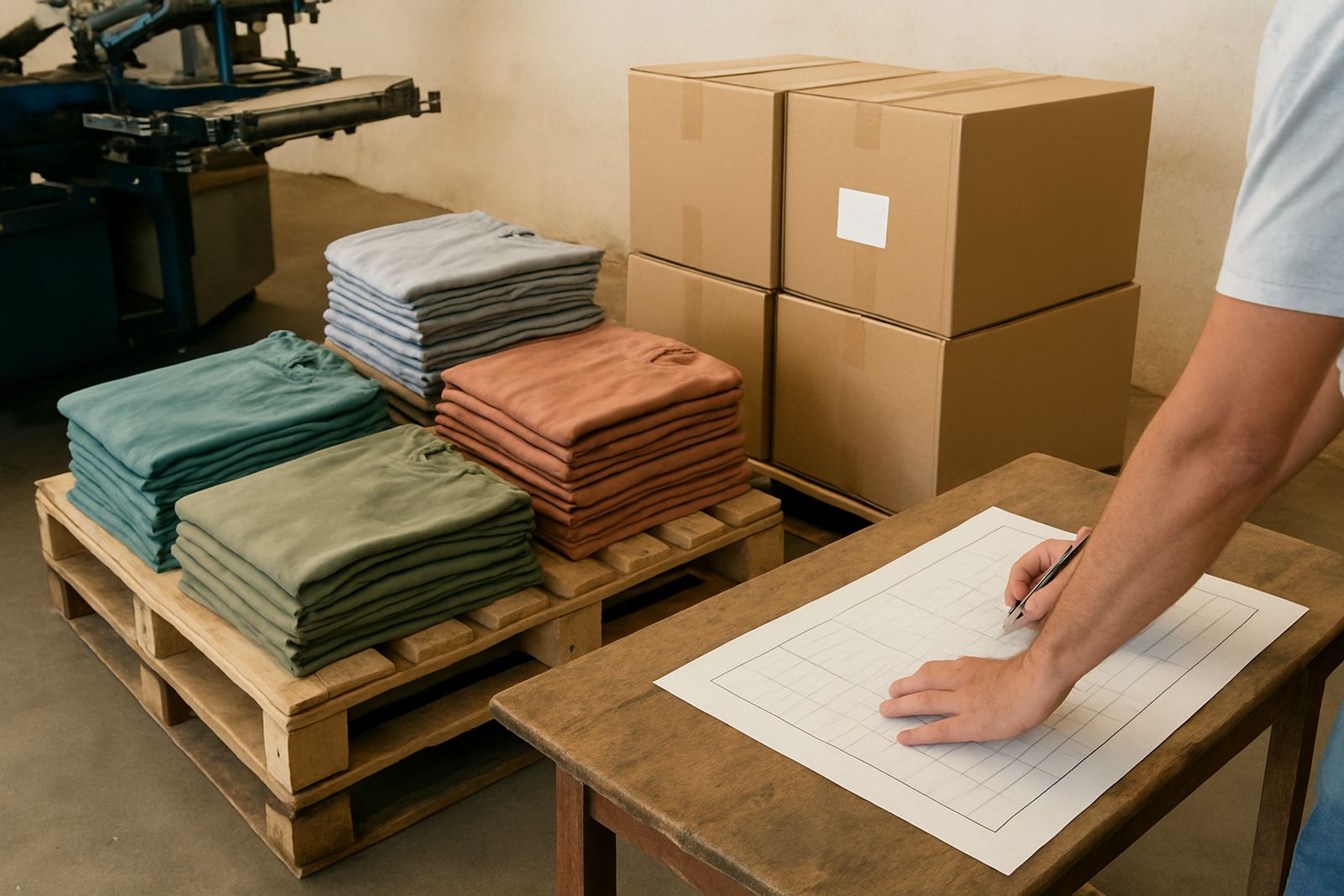
The best way to avoid shortages is to give each learner or staff member a simple size sheet. Ask for the garment size they normally wear, then add a spare column for a second choice if the first option is unavailable. For mixed groups, separate junior sizes from adult sizes and keep girls’ and boys’ fits clear if different cuts are being ordered.
- Use size categories that are easy to understand, such as 5 to 6, 7 to 8, small, medium and large.
- Ask for exact counts per size before the final order is submitted.
- Confirm if oversized fits are allowed for learners who want room to grow.
- Keep a signed class summary so the school office can check totals against the invoice.
For larger orders, one person should verify the counts at source. A quick check at the school can save a lot of back and forth later on.
Confirm Colours Against the Actual Garment
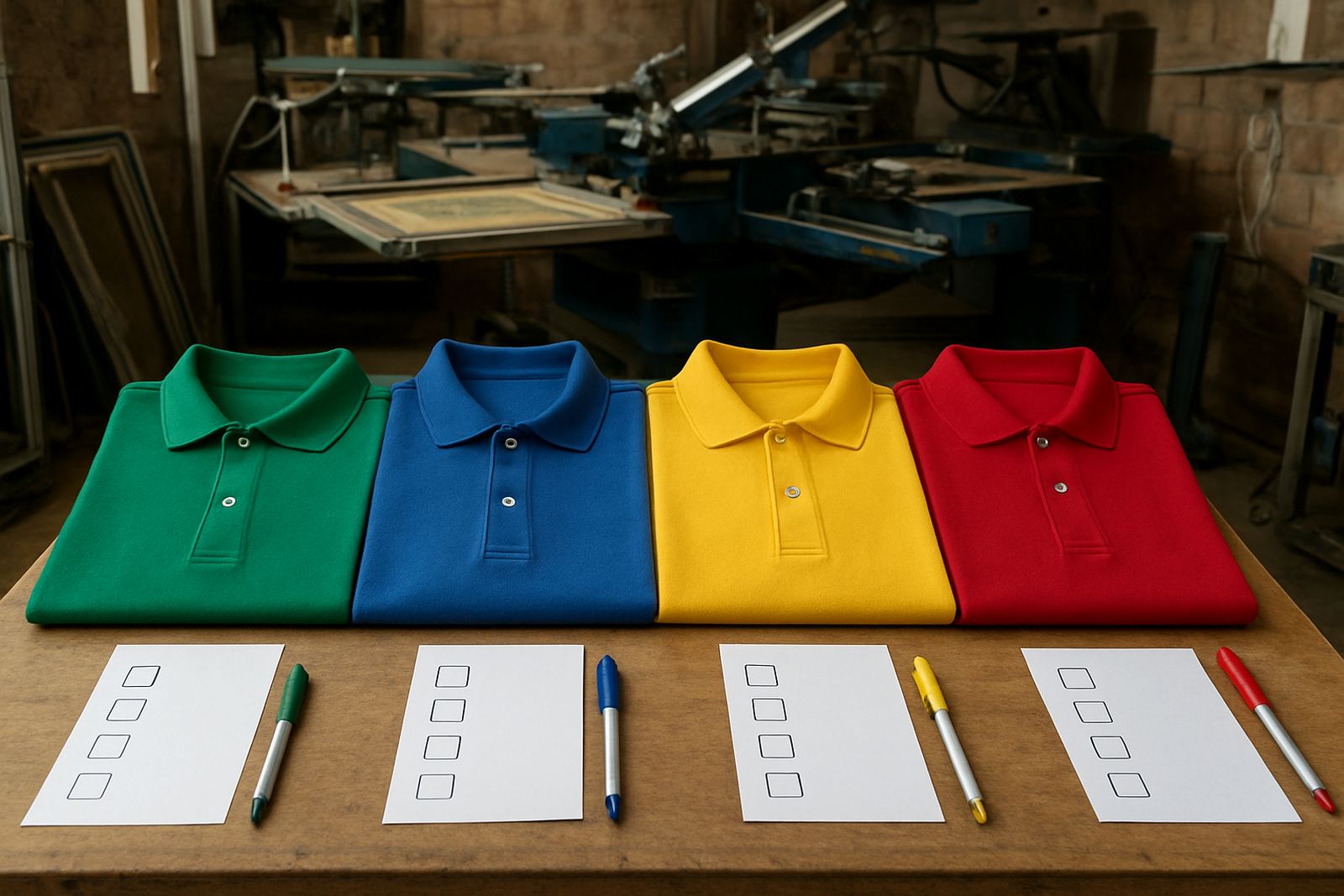
Colour names can be misleading, so always match against a physical sample or a clear swatch. White, navy, black and maroon are common school choices, but shades can vary between batches. If the order includes house colours, sport colours or special event shirts, write the colour name and the garment base colour in the same note.
Print colour matters too. Dark shirts may need lighter ink, while pale shirts give more flexibility. If the school wants a crest, motto or year to stand out, make sure there is enough contrast for good visibility in daylight. This is especially important for afternoon events, when strong sun can make thin print hard to read.
- List the garment colour and the print colour separately.
- State whether the school crest must appear in full colour or a single colour version.
- Check if any specific house colours must stay consistent across grades.
- Confirm if the same design will be used on all sizes or adjusted for smaller shirts.
Send Print Details in One Clean Brief
A clear print brief keeps production moving. Include the school name, year group, event date, slogan if any, print positions and the final quantity per size. If the shirt carries names or class numbers, send the spelling in one list and double check every line before approval. A single missing apostrophe or wrong spelling can affect the whole run.
Good artwork does not have to be complicated, but it must be readable. If the logo is low quality or only available as a photo, ask for vector redrawing so the edges print cleanly. If the school has a specific crest, supply the best version available and note any colour restrictions. That helps with colour separation, film output and screen preparation before printing starts.
Use a Simple School Ordering Checklist
Schools work best when one person manages the order sheet from start to finish. That person can gather sizes, confirm colours, collect the print brief and pass the final approval to the supplier. It reduces confusion when teachers, parents and learners all have different opinions on the same shirt.
- Confirm the final garment type and fabric.
- Collect all sizes with totals per grade, team or staff group.
- Approve the colour choice for both shirt and print.
- Check spelling, year, motto and any sponsor details.
- Confirm delivery address, contact person and deadline.
At Screen Spectrum in Umbilo, Durban, we handle screen and digital printing for schools across KZN, with courier delivery nationwide. For shorter runs, mixed sizes or repeat orders, in-house screen making and artwork checks help keep the job on track. If the order is going to Durban Central, Berea, Pinetown, Westville, Amanzimtoti, Ballito or Pietermaritzburg, allow enough time for transport and sign-off before the event date.
Plan Ahead for Approval, Production and Delivery
School orders usually move faster when the approval process is fixed in advance. Allow time for artwork checking, test printing if needed and any changes after the first proof. Durban schools often place orders around term events, inter-house sport and prizegiving, so leaving a small buffer is sensible, especially when weather or load shedding can affect timing.
If shirts are needed for a tight deadline, say so early. We can advise on what is realistic based on quantity, print method and finishing. Once the order is signed off, keep one final copy of the approved details on file for future reorders. That makes next term’s batch much simpler, and the sizes are already easier to compare.