
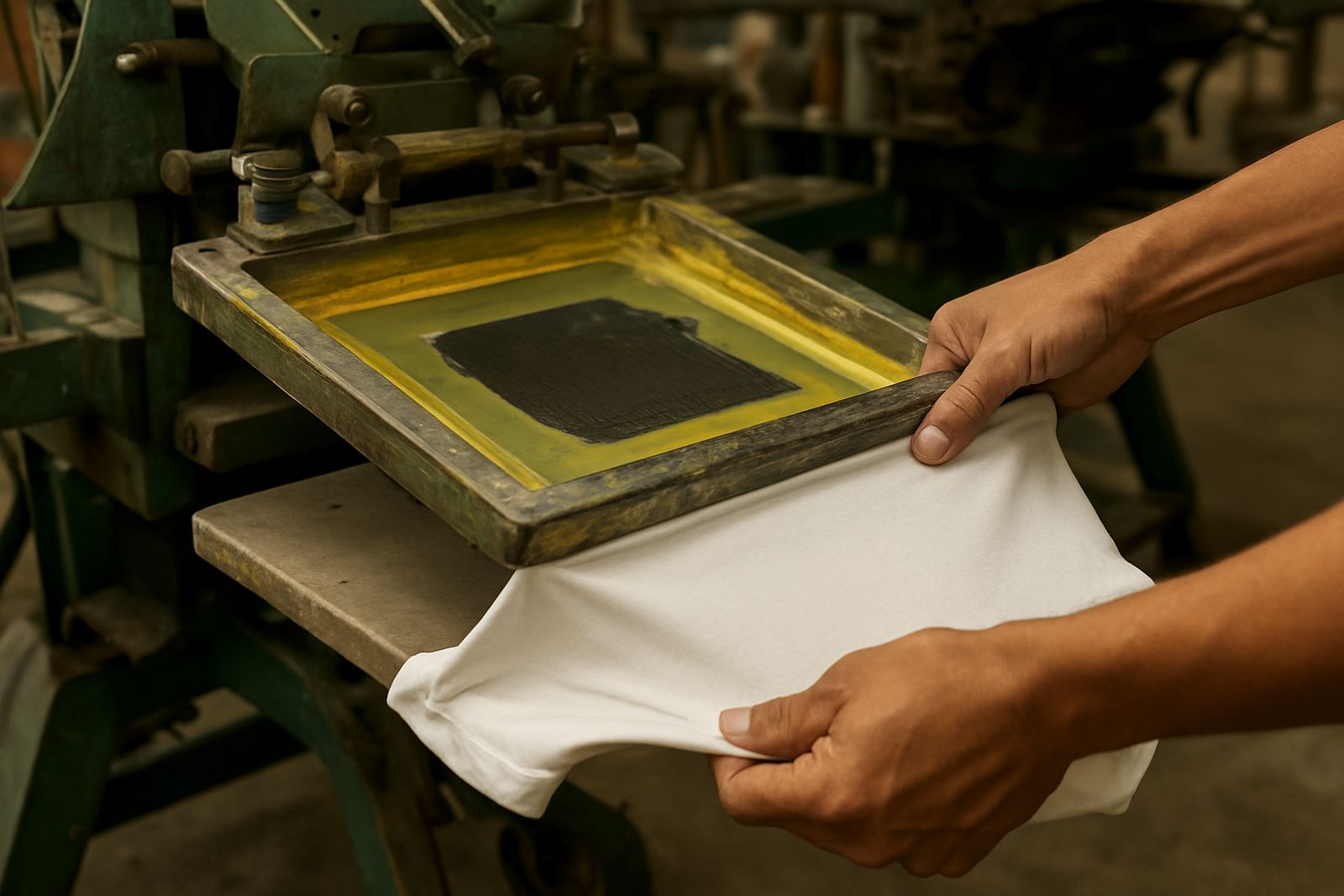
Built for the kind of wear local orders actually get
Screen printing lasts because the ink is pushed through a mesh screen and laid down in a thicker layer than many other decoration methods. That thicker deposit gives the print more body, which helps it stand up to repeated washing, sun, sweat and rough handling. In Durban, that matters. Shirts worn at a coastal sports day, a factory gate or a school fundraiser are not treated gently, and the print has to cope.
For bulk orders, the method also gives a very even finish from the first item to the last. Once the screens are made and the set up is correct, the artwork can be repeated with a high level of consistency. That is one reason clubs and schools often favour it for team shirts, leavers tees, event wear and staff uniform runs.
- Good wash durability on cotton and many blended garments
- Strong colour on light or dark fabric when the correct process is used
- Suitable for medium to large runs where repeatability matters
Why the screen itself makes the difference
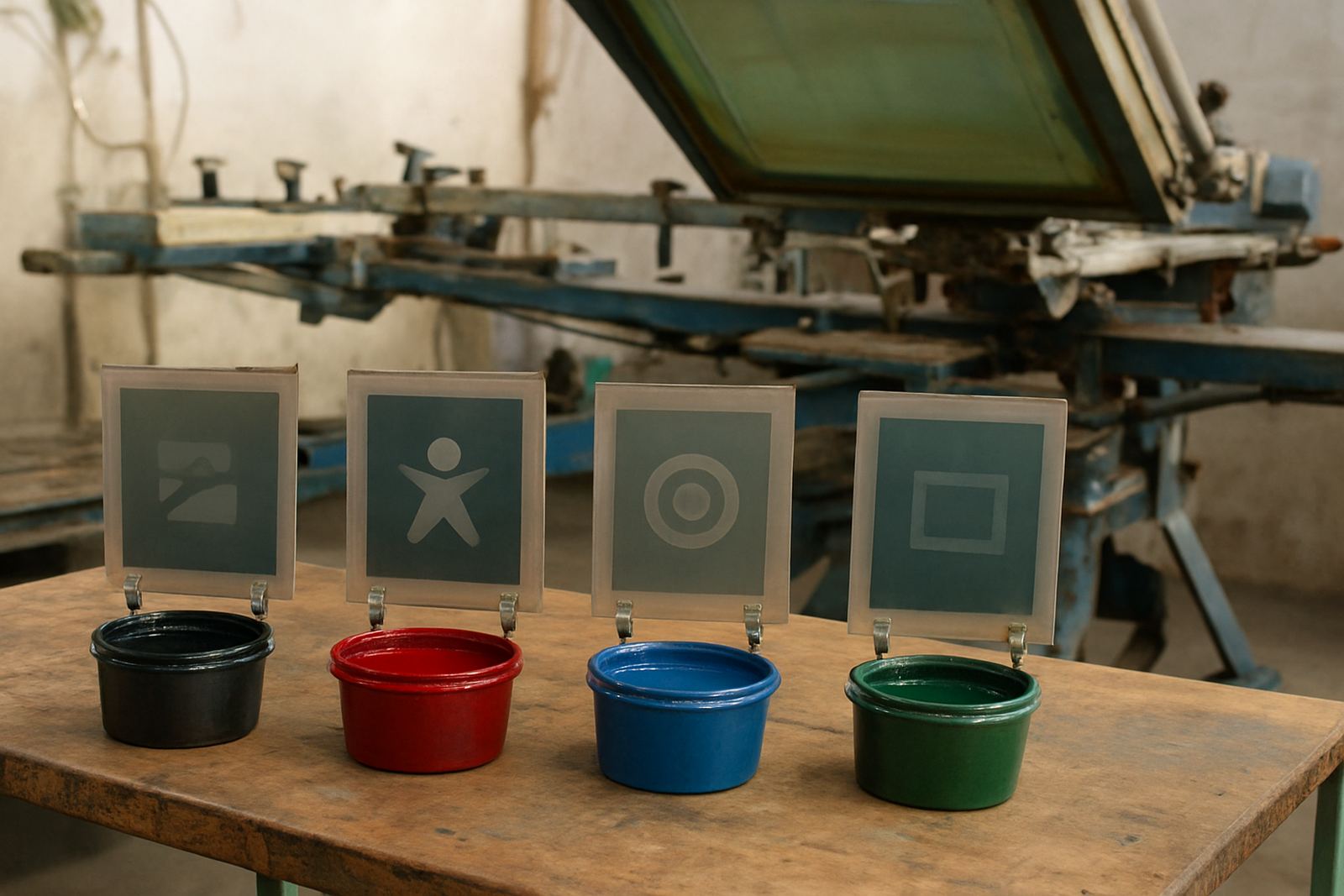
Good screen printing starts long before the first shirt is printed. The screen has to be made properly, with the right stencil, clean exposure and careful washout. If the mesh tension is uneven or the stencil breaks down too early, the print can blur, lose detail or give patchy coverage. That is why in-house screen making is important for serious production work.
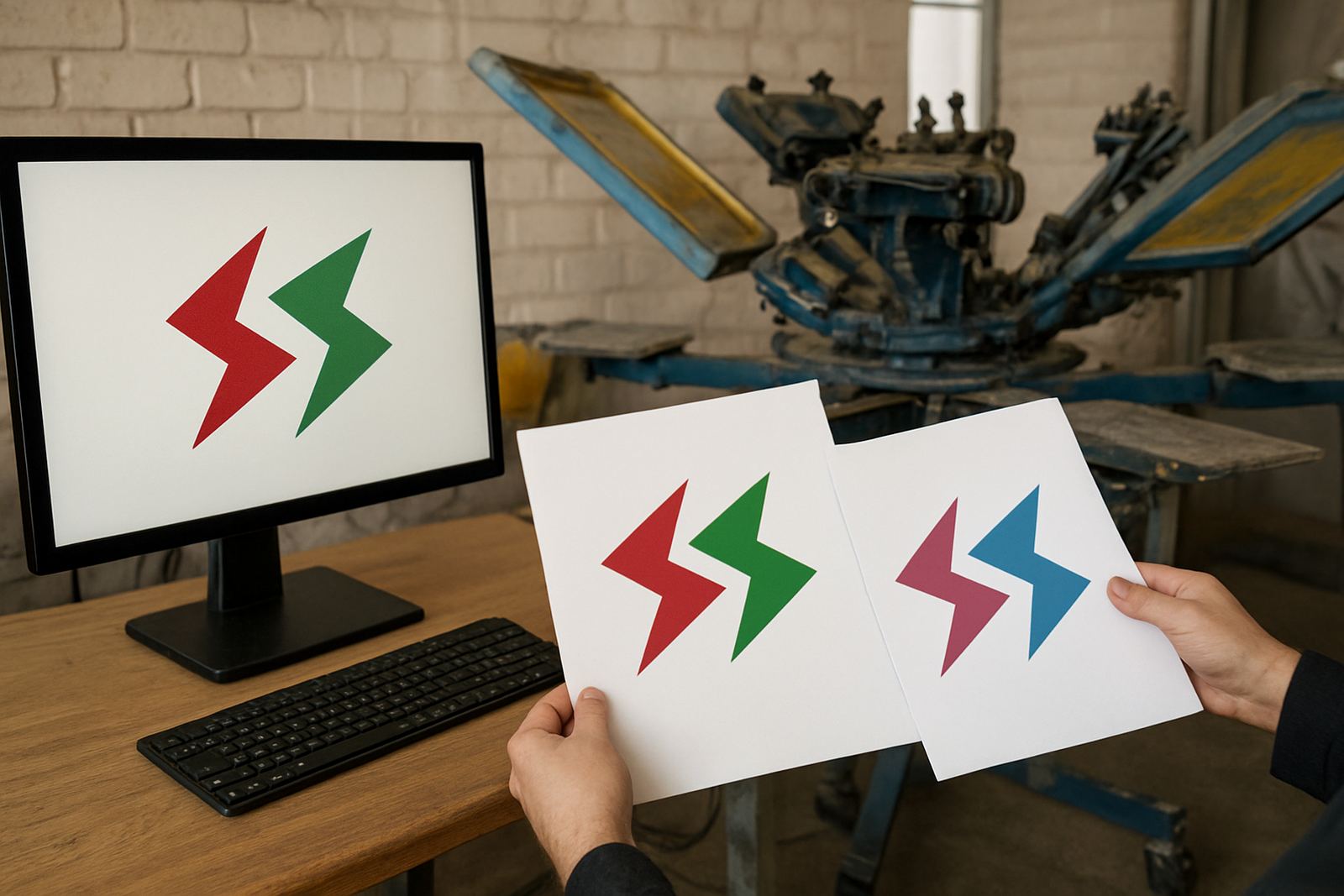
At Screen Spectrum in Umbilo, the process includes artwork checking, vector redrawing where needed, colour separation, film output, screen stretching, emulsion coating, screen exposure and test printing. That extra control helps keep the print sharp and the colours repeatable. It also means the job can be adjusted if the garment type, ink choice or design detail needs a different approach.
For example, a Pietermaritzburg school ordering class shirts for sports day may need clean lettering on the back, a crest on the chest and numbers that stay readable after many washes. That is only possible when the screen is prepared carefully from the start, not rushed because the order is large.
- Artwork is checked before production to avoid costly errors
- Fine details need proper vector setup and separation
- Test prints help catch issues before the full run starts
Why bulk orders still make financial sense
Screen printing is often more cost effective when there are many items to decorate. The set up takes time, but once the screens are ready, the cost per item comes down. That makes it a practical choice for runs from a few dozen items to several hundred. For businesses, clubs and schools, this often gives better value than choosing a method that is faster for small quantities but weaker on cost for bigger orders.
There is also the question of appearance. A consistent print across 80 or 200 shirts looks more professional than a batch with uneven colour or weak coverage. If the order is for staffwear, a promo event or a club launch, that visual consistency helps the brand look organised and reliable. No one wants half the shirts printing lighter than the rest because the setup was not managed well.
When the artwork, screen prep and printing are done properly, screen printing keeps looking good long after the first wear. That is the main reason many buyers still choose it even when other decoration options are available.
- Lower unit cost on larger runs
- Better repeat consistency across the full order
- Ideal for schools, clubs, promotions and workwear
The parts of the job that affect wash life
Durability is not only about the ink. Garment fabric, curing, print placement and wash care all play a part. A good print can still fail early if the curing is too light, if the garment type is wrong for the design, or if the customer washes it too hot too soon. In Durban, with coastal humidity and fast turnarounds, those details really matter.
Screen Spectrum also offers screen storage, reclaiming and registration work, which helps keep repeat jobs consistent from one season to the next. That is useful for clubs that reorder every year, or for schools that want the same design on new stock without starting over. Proper screen storage also supports cleaner reprints and quicker turnaround on repeat work, which clients appreciate during busy term times.
For garments that will see heavy use, it is usually best to keep the design practical. Large solid areas, simple lettering and properly planned colour counts often last better than complicated artwork with too many tiny details. A clean print can still be eye catching, and it is usually easier to keep looking good after repeated washing.
- Use the right garment for the job, especially for workwear and sportswear
- Let prints cure fully before heavy use or washing
- Keep care instructions simple for staff, players and learners
A Durban example that shows the point
Think of a KZN school ordering class tees for a fund-raising day and then using the same design again for interhouse events. The shirts need to survive transport, lunch spills, rain, sun and repeated washing at home. A print that looks fine on day one but cracks after two washes creates more work and more cost later. A stronger screen print gives the school better value over the full life of the garment.
The same applies to a club in Westville, a small business in Durban Central or a team in Amanzimtoti that needs visible branding on every member. A dependable print helps with recognition and keeps the group looking united. If the order is couriered to Ballito or Pinetown, or delivered around Berea and Umbilo, it still has to arrive ready for use and hold up in the same climate once it is worn.
That is why many Durban buyers still ask for screen printing first when they want real durability, not just a short term look. It is a method built for volume, for repeat use and for the practical demands of local clothing orders, even when the weather and workload are not kind.
- Useful for school events, sports kits, promotions and staff uniforms
- Works well for repeat orders across Durban and nationwide courier delivery
- Gives the kind of staying power that bulk buyers are looking for
When screen printing is the better choice
Screen printing is usually the right answer when the order is larger, the design needs strong colour and the items must last. It is especially useful for T-shirts, caps, banners and signage where a bold, durable finish matters more than quick one-off decoration. If the job calls for clear branding and a solid wash life, it is hard to beat.
At Screen Spectrum, the work is handled in-house from the first artwork check through to dispatch. That gives the team better control over quality, timing and repeat orders, which helps when clients are planning for events, term starts or product launches. For many buyers, that practical control is the main reason screen printing remains the preferred option, because it simply gets the job done right the first time.