
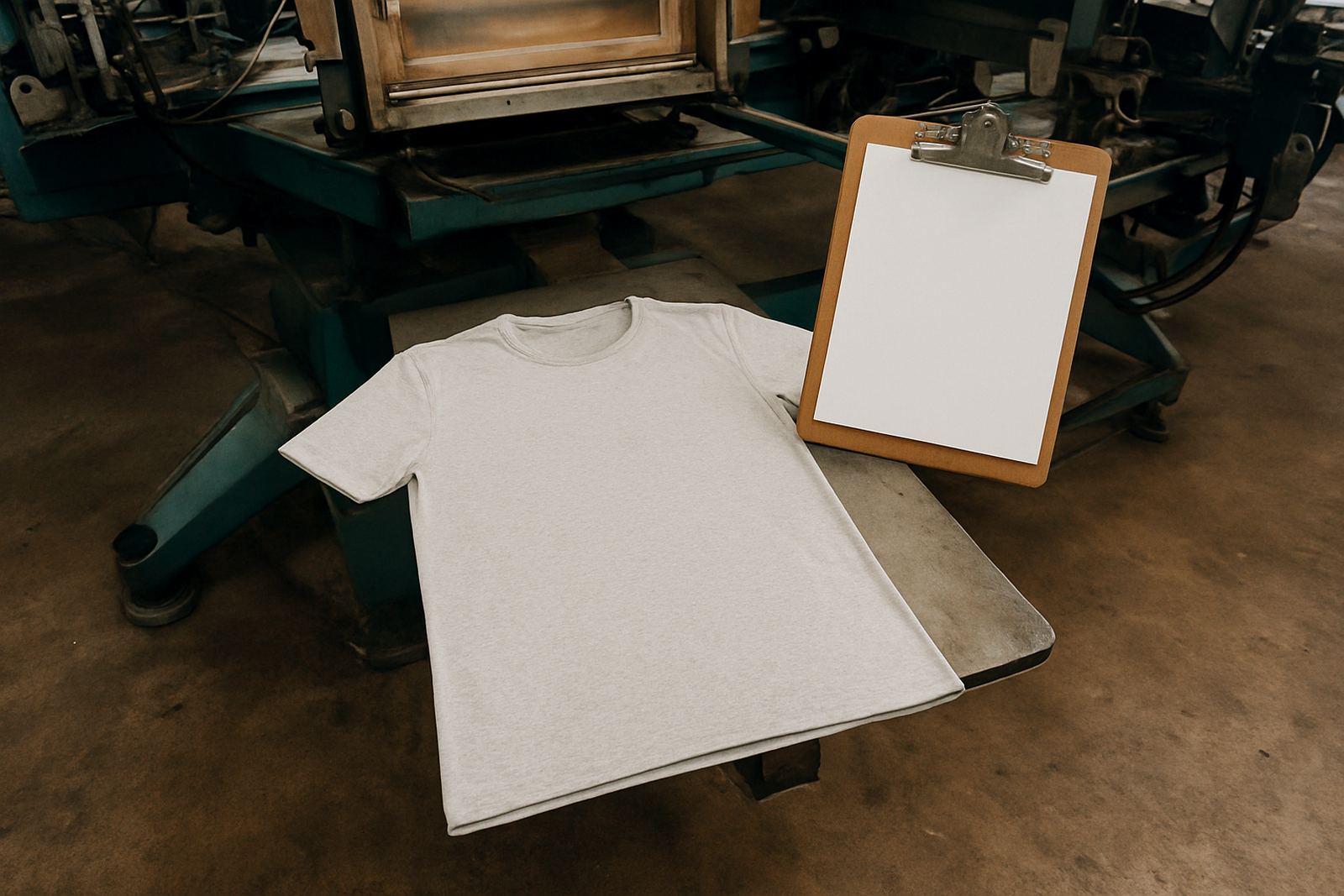
Why a test print is worth the setup time
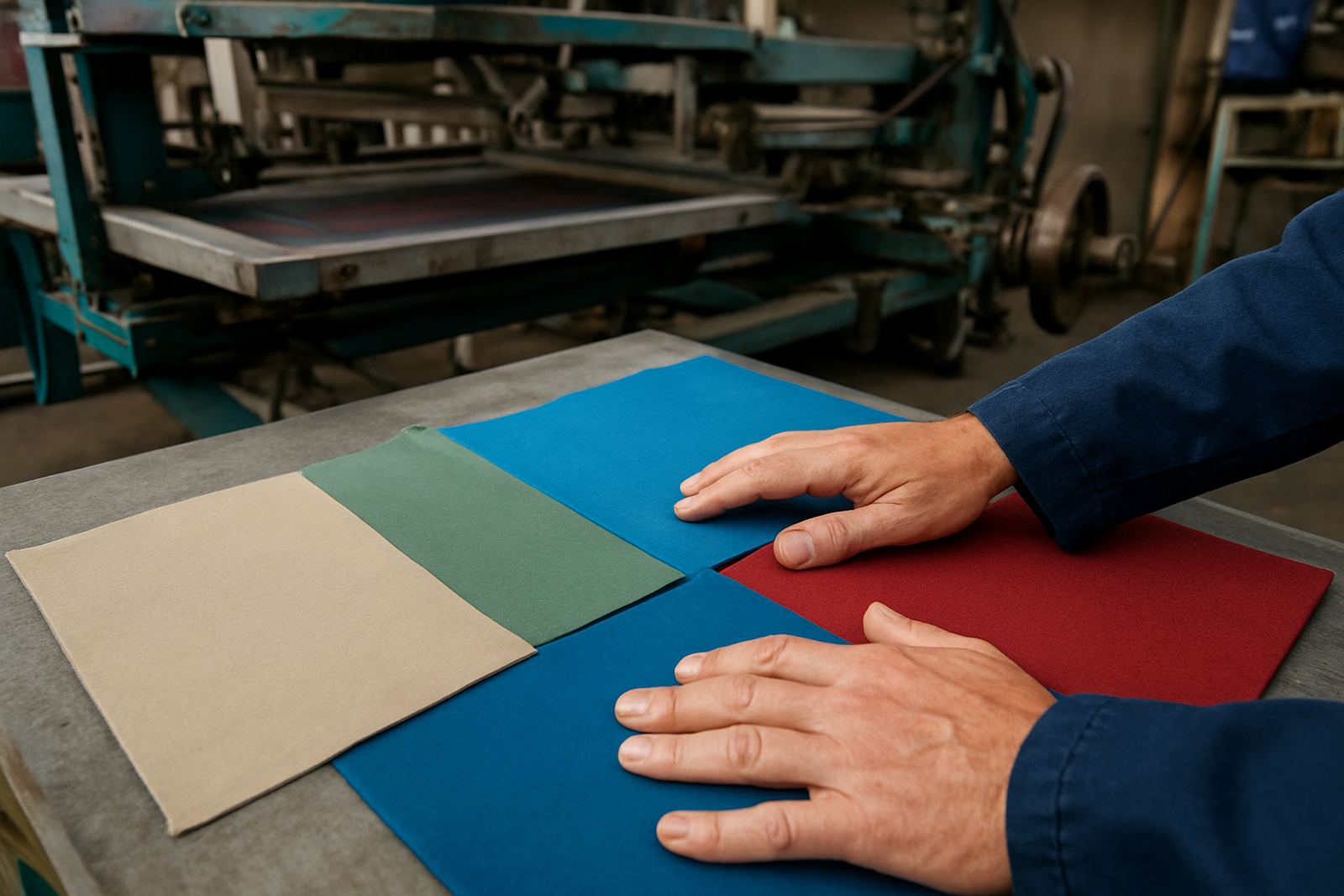
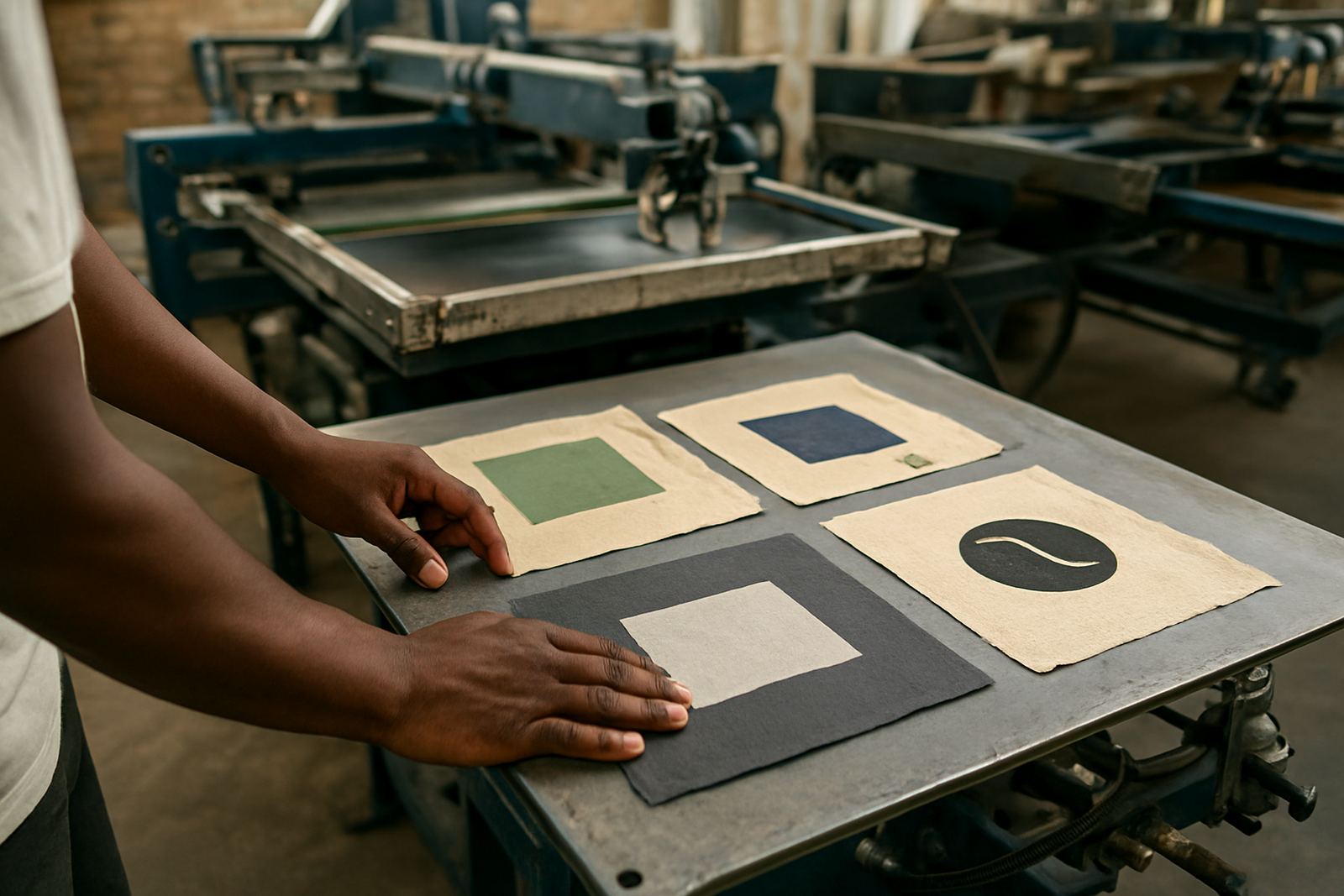
A screen print job can look straightforward on paper, but the first pull often shows what the artwork file and the garment actually do together. Ink behaves differently on cotton, polycotton and coated items, and the result can shift once pressure, angle and cure time are set. A sample print gives you a real reading before the full run starts.
For clients in Umbilo, Durban Central or Pinetown, this matters when the order has a deadline and there is no room for reprints. A test pull helps confirm the design size, the strength of the colour and whether fine details will hold. It also gives our team a chance to check registration and make any small corrections early, which saves time and money later.
- Confirms how the artwork sits on the garment or item
- Shows if the ink colour needs adjusting
- Checks that small text and fine lines stay readable
- Reduces the risk of wasted stock in the full run
What gets checked during a sample print
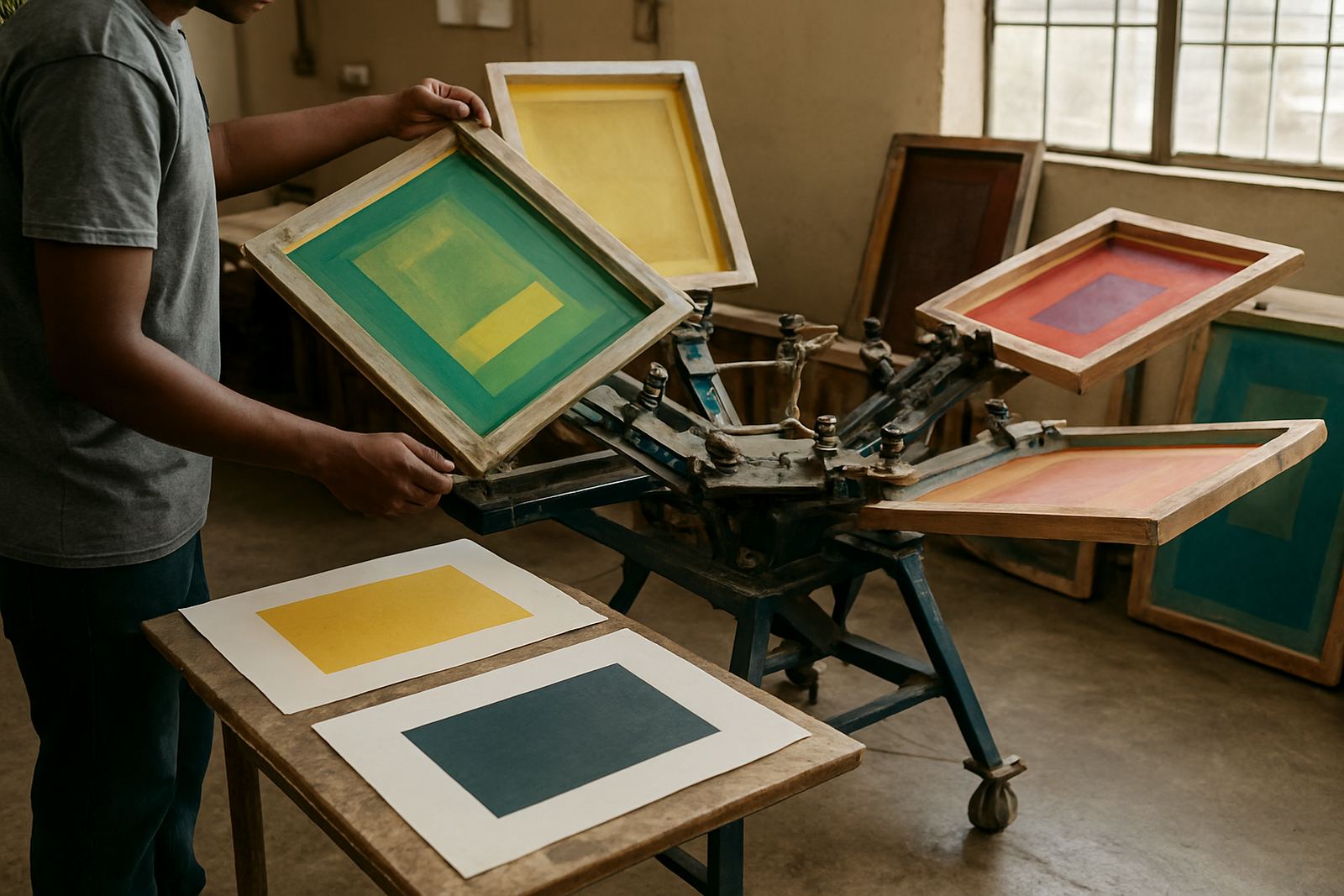
Before we print a sample, we review the artwork, separate colours if needed, and make sure the screens are ready for the job. If a logo has thin lettering, gradients or small details, we can see whether it needs vector redrawing or a cleaner colour separation first. That way the sample is based on proper prep work, not guesswork.
During the test pull, we look at ink coverage, edge sharpness and placement. We also check how the print behaves after curing, because some issues only show once the ink has set. If the print is for caps, banners or signage, the sample also helps us judge the surface and the way the item takes ink. On a humid Durban day, that step can make a real difference, especially when the shop floor is warm and the weather changes by lunchtime.
- Artwork quality and file readiness
- Colour separation and film output accuracy
- Print position and repeat consistency
- Drying or curing behaviour after the pull
How sample prints save money on larger orders
Big runs are where small faults become expensive. If a colour is too pale, a logo is too low or the wording is slightly off-centre, that mistake repeats on every item. A sample print helps catch those faults before the order moves into full production, which is why schools and sports clubs often ask for one before winter league kits or fundraising orders.
It also protects your budget when you are ordering across different sizes or products. A crew order for T-shirts might need one screen set, while caps or banners may need a different setup entirely. A test pull shows whether the chosen method will work well on each surface, so you do not end up paying for avoidable rework. It is a small step, but it can save a fair bit of cash.
- Less wastage on garments and print media
- Fewer repeat setup costs
- Lower risk of rejected stock
- Better planning for multi-item orders
A local Durban example from briefing to final run
Say a school in Berea needs 200 house T-shirts for a sports day and wants the crest in two colours. The logo looks fine on screen, but once it is separated for printing, the small lettering may need adjusting so it does not fill in. A sample print lets the school approve the real finish before the full run begins. If the red is a shade too dark or the size looks heavy on a small youth shirt, that can be sorted then and there.
We see the same with clubs in Ballito or businesses in Westville that need branded uniforms for staff. A sample print helps them compare options side by side, instead of trying to make a choice from a file on a phone. It gives everyone a clear reference, and it keeps the job moving. That is especially useful when courier delivery is part of the plan and the order has to travel after printing.
When sample prints are most useful
Some jobs can move straight into production once the artwork is approved, but there are times when a sample print is the sensible move. If the design is new, the stock is unfamiliar or the order is for a major event, it is better to confirm the finish first. The same applies when a client wants exact colour matching across repeat orders.
Sample prints are also useful when a project includes mixed products or a short turnaround. If one part of the order is for T-shirts and another is for signage, the sample helps establish a clear standard before everything else is lined up. In our work, that early check often prevents more delay than it adds.
- New artwork or a first-time brand print
- Repeat orders that must match previous work
- Mixed garments, caps or signage in one job
- Large event orders with no room for errors
What to bring when asking for a sample print
The more detail you bring, the more useful the sample becomes. If you have a preferred print size, garment type or colour reference, share it early. If your logo has been used before, send the best version you have so we can check whether it needs cleanup. That saves back-and-forth and helps the first test pull get close to final.
For clients around Umbilo, Amanzimtoti, Pietermaritzburg and the rest of KZN, it also helps to mention how the items will be used. A school PE shirt needs a different finish from a promo tee, and a banner for outdoor use needs different attention from an indoor sign. With the right brief, the sample print becomes a proper working tool, not just a quick proof. That is the point, really: less guesswork, more certainty, and a cleaner final result.
- Artwork in the best available format
- Preferred garment or item details
- Approximate size and placement notes
- Any colour or approval requirements from your team