Why colour count changes the job before the first print
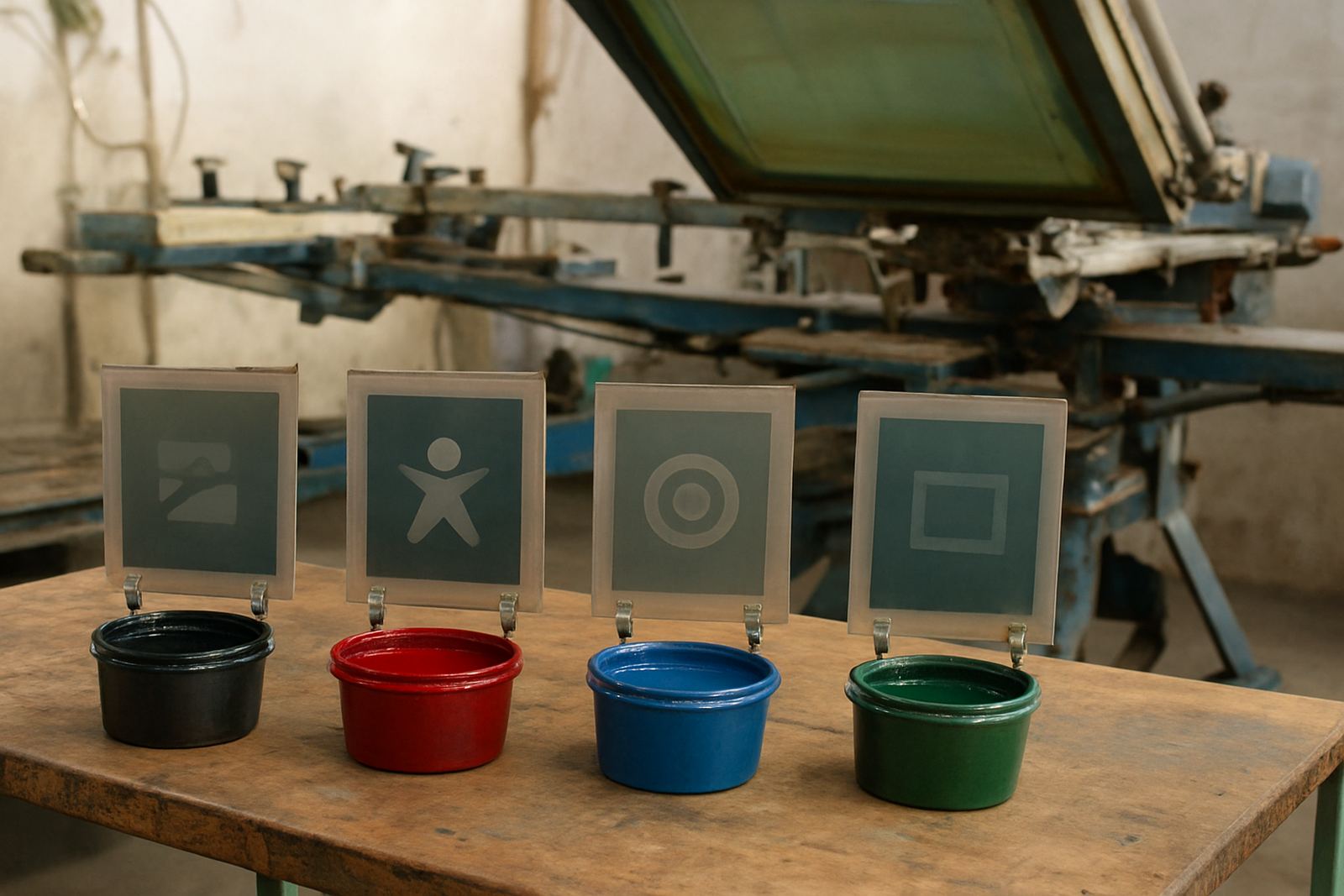
When a print job has one colour, the process is usually straight forward. One artwork colour means one screen, one exposure, one clean registration set-up and one print run. As soon as you move to two, three or more colours, every extra shade needs its own screen and its own setup time. That is where the cost starts moving, because the workshop has to prepare, align and test each colour before the full run begins.
At our Umbilo base in Durban, we see this every day on T-shirts, caps, banners and signage. A simple one-colour school event shirt can be efficient, while a multi-colour club logo with outlines, gradients and small text may need careful colour separation and more labour. In screen printing the count matters, but so does the type of artwork and how cleanly it can be separated for print.
Digital printing can reduce some of that setup on certain items, yet colour count still affects output time and artwork work. If the file is not ready, we may need vector redrawing, artwork checking or colour separation before production even starts. That is why a quote is never only about size and quantity, it is also about how many colours the job asks for.
How extra colours affect screens, film and labour
Every additional colour usually means extra film output, extra screen exposure and more time on press. If a design uses black, red and white, for example, the printer must make sure each colour lands in the right place and prints at the correct strength. On dark garments this becomes more important because underbases and brighter inks can add another stage to the job.
More colours can also mean more risk of misalignment if the screens are not registered properly. That is why we include screen registration, test printing and touch-up work in our process. A job with five colours may still be perfectly manageable, but it will take longer to prepare than a one-colour design and the price will reflect that extra labour.
- 1 colour: fewer screens, faster setup, lower preparation cost.
- 2 to 3 colours: moderate setup time, more screening and checking.
- 4 or more colours: higher labour, more registration work and more room for delays.
If the print has solid blocks of colour rather than soft shading, screen printing is often efficient for larger runs. If the artwork contains many tiny colour changes, we will advise on the most practical route before you commit. That saves time and avoids paying for a look that does not suit the garment or the print method.
What customers in Durban often miss when comparing quotes
Many people compare quotes only by the headline price and miss the real detail. One supplier may quote lower because the artwork is already print-ready, while another includes artwork checking, vector redrawing, film output and screen making in the price. Those differences matter, especially when you are ordering for a school, sports club or staff uniform programme in KZN.
Another factor is the quantity. A small order of 10 or 20 shirts can cost more per item because the setup is spread over fewer pieces. A run of 200 shirts often brings the unit price down, even if the artwork has several colours. With caps, banners and signage the same principle applies, though the material and finish also influence the total.
- Ask whether the quote includes screen making and set-up.
- Check if colour separation is included or billed separately.
- Confirm whether the price changes with garment size, quantity or ink type.
- Make sure you know if test prints are part of the process.
For businesses in Durban Central, Berea, Pinetown, Westville or Amanzimtoti, courier delivery and collection options can also affect the final budget. If you are ordering from further afield, ask how delivery is handled so the cost is clear from the start.
A practical Durban example: school event shirts and clubwear
Let us take a local example. A school in Durban orders 80 event T-shirts for a fundraiser. The design has the school name in one colour on the front and a more detailed back print with three colours. On paper, it sounds simple, but the back design needs more screens, more alignment and more checking. If the artwork is supplied in a low-resolution image, the team first has to clean it up, separate the colours and prepare the film.
Now compare that with a football club in Pietermaritzburg ordering 40 caps with a single-colour logo. The logo is smaller, the print area is tighter and the setup is lighter. Even though the delivery distance is greater, the print itself is easier and often cheaper per item than the more colourful school job. That is why colour count and design complexity usually affect pricing more than people expect.
Humidity on the Durban coast can also play a part, especially when we are storing screens or working on jobs during wet weather. Our team keeps an eye on screen storage, emulsion coating and drying times so the finish stays consistent. Load-shedding can slow things down too, so planning ahead helps us keep your job moving without last minute stress.
How to keep colour costs under control without cutting quality
If you want the best price, the easiest way is to keep the artwork clean and the colour count realistic. Flat colours are easier to separate than complex blends, and a simple logo often prints better on uniforms and event wear anyway. You do not always need five colours to make a design stand out.
Before you send artwork, think about where the item will be used. A school sports day shirt for outdoor wear may need a bold single colour print that reads well from a distance. A business banner may need two colours and clear lettering, while a detailed promotional tee could be better simplified for faster production and lower cost.
- Use fewer colours where possible without losing brand clarity.
- Supply clean vector artwork if you have it.
- Keep small text to a minimum on shirts and caps.
- Ask for advice before approving a complicated layout.
We often help clients from Umbilo and across Durban choose the most practical version of a design before printing starts. That support can reduce screen count, shorten setup and keep the final order within budget. It also means the finished item is easier to print consistently across the full run.
When more colours are worth the extra spend
There are times when extra colour is worth paying for. Club kits, sponsor logos and event merchandise may need several colours to stay true to the original identity. If the print is going on a premium garment or is meant to represent a business in front of customers, the extra setup can be worthwhile.
The key is knowing why you are adding colour. If it improves legibility, matches a brand requirement or supports a stronger visual result, then the extra screens may be justified. If the colour is only there because the file was not simplified, you may be spending more than needed. That is where proper artwork checking and honest advice make a difference.
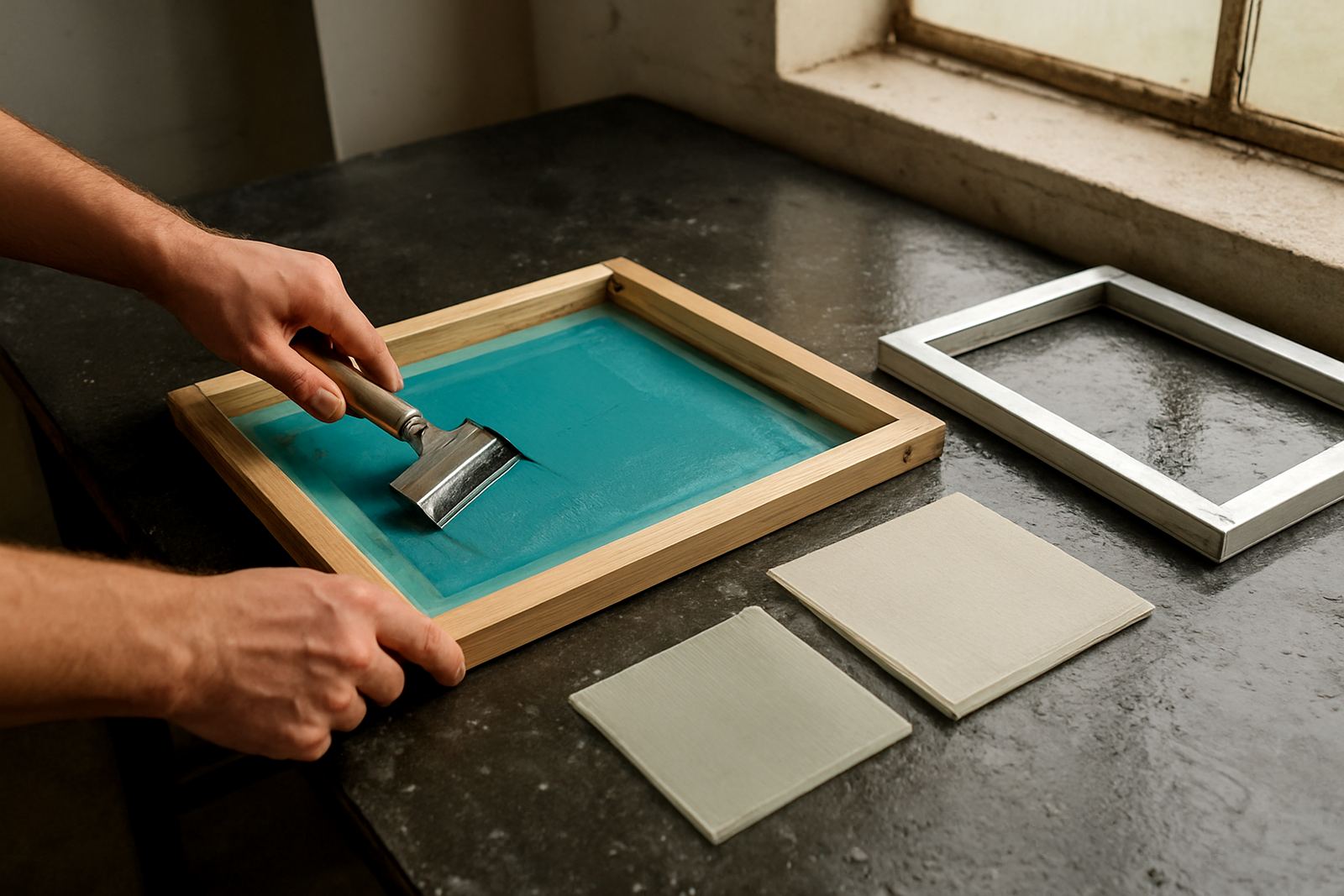
At Screen Spectrum, we handle in-house stencil and screen making for runs of any size, from small orders to larger repeat work. That helps us keep control over timing and quality, whether the job is for schools, clubs or businesses. The goal is not to push every order into the same mould, but to match the print method to the artwork and the budget.