
Why repeat orders should not start from zero
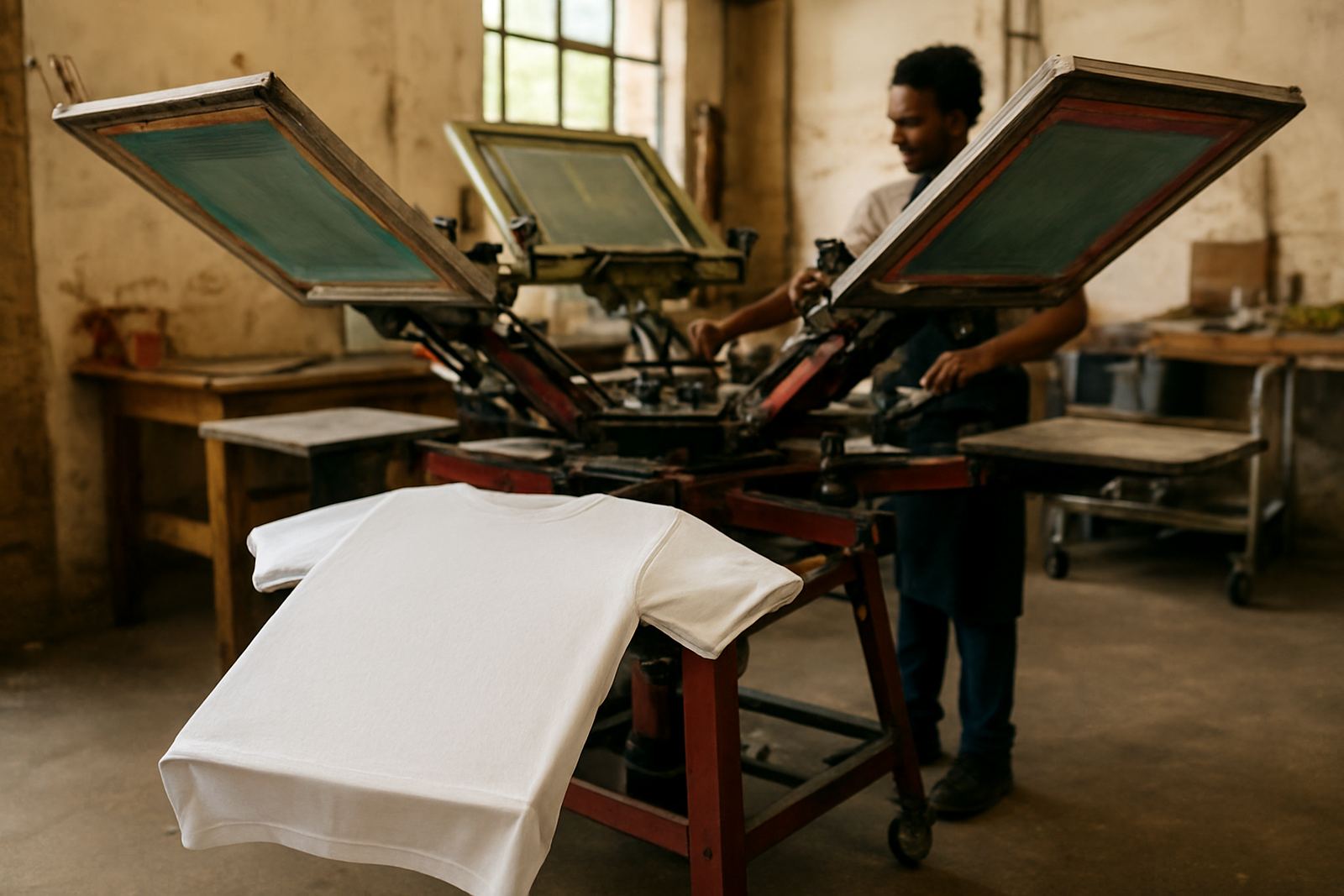
When a school, club or business needs the same print again, the fastest job is the one with the least guesswork. If the artwork is already checked, the colours are noted, and the screen setup is on file, the next run can move straight into production with fewer delays.
That matters in Durban, where orders often come in close to events, league fixtures or term start dates. It also helps when the weather turns sticky with coastal humidity, because well kept records reduce back and forth and keep the process moving even when production is busy.
For repeat work, the aim is simple: less rework, fewer approvals and more consistent print quality from one order to the next.
What we keep on record for future runs
A repeat order is easier when the important details are stored properly. That is why we keep practical production records for each job, including what was printed, how it was set up and any notes that matter for future runs.
- Final artwork files and the approved version
- Colour separation notes for screen printing
- Screen counts, sizes and frame details
- Test print results and registration notes
- Dispatch details for delivery to Durban, KZN or nationwide
These records help when a school wants the same house colour on a fresh batch of shirts, or when a business orders a second round of uniforms for a new team member. The next order still gets checked properly, but the starting point is already there.
How stored screens speed up the next order
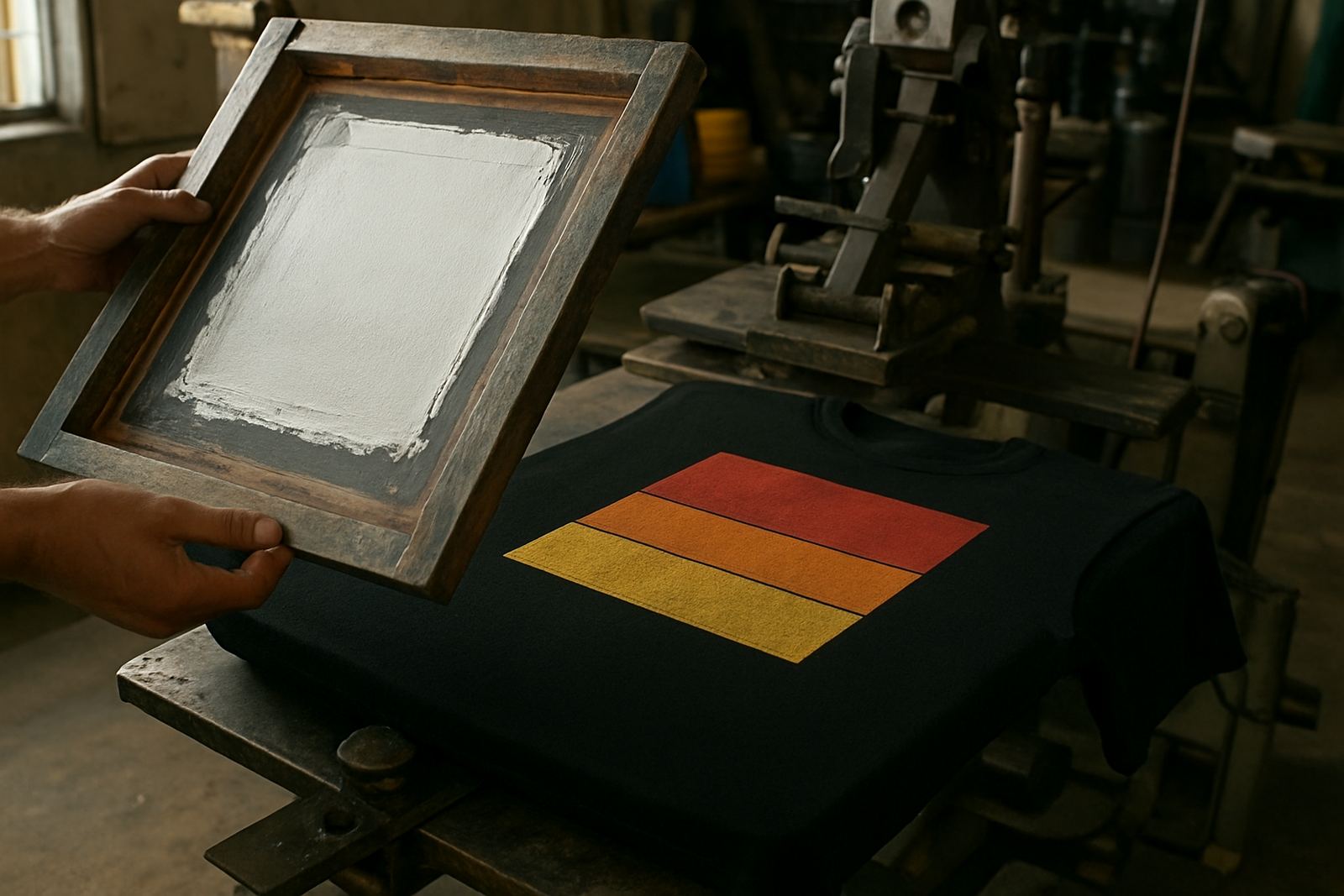
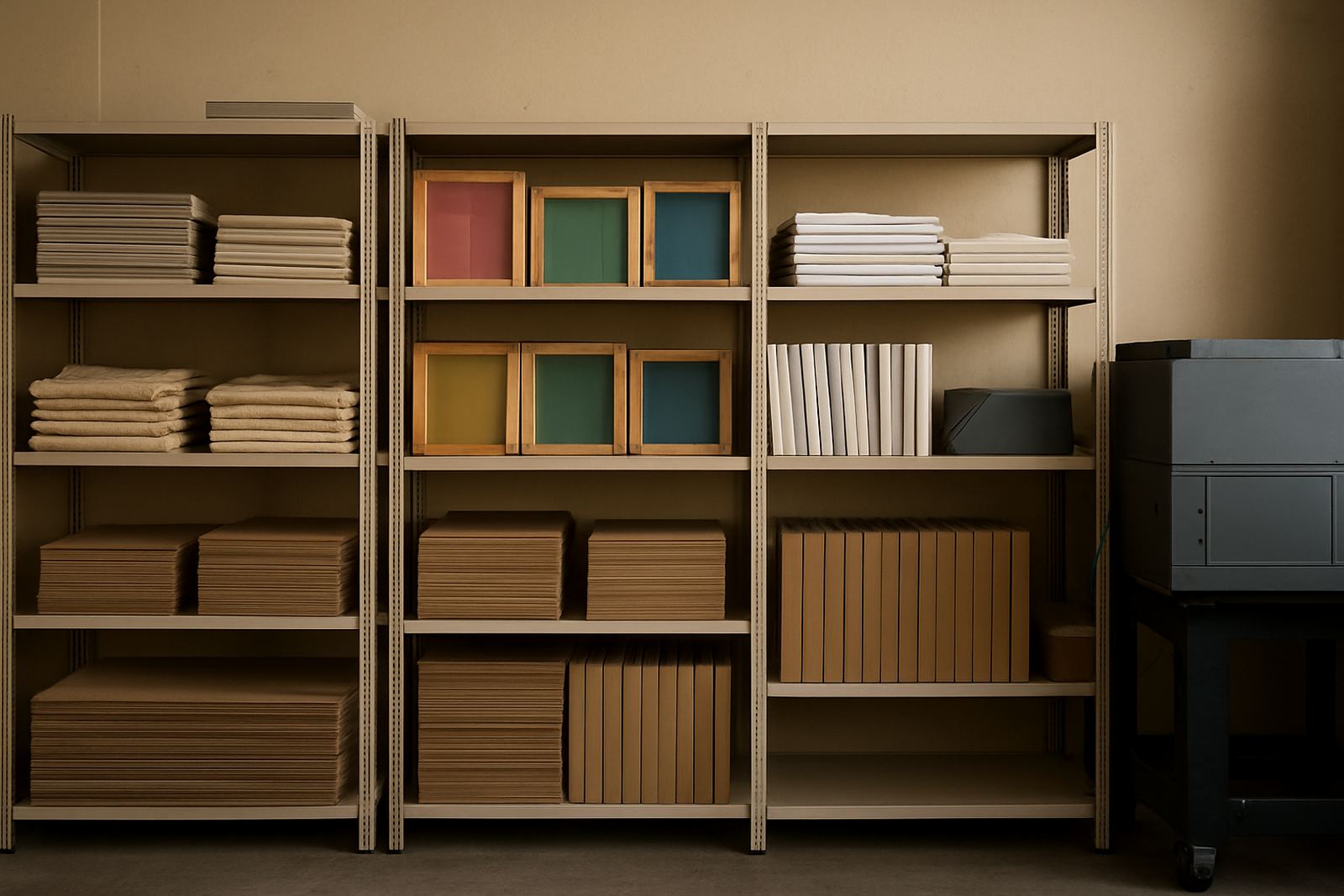
For screen printing, having the right screens ready can save a lot of time. If the screen is still in good condition, correctly labelled and stored safely, we can bring it back into use for a repeat run without building everything again from scratch.
Screen storage is especially useful for ongoing work such as sports kit, staff clothing or recurring campaign branding. It helps keep the image stable and cuts the turnaround time. It also means fewer setup steps, which can make a real difference when a client needs the job moved forward quickly, not tomorrow after lunch.
At our Umbilo base, screen storage is handled with the same care as the printing itself. A clean screen, properly tagged and kept flat, is much easier to reuse than one that has been tossed around or left exposed to dust and heat.
Artwork checks that protect the second run
Artwork that worked once may still need checking before the next order. Fonts can shift, colours can fade in memory and old files are not always print ready. That is why repeat work still benefits from a proper artwork check before anything goes on press.
We look at the file, confirm sizing and check whether the artwork needs vector redrawing or colour separation changes. If the design is being used again on a different item, like switching from T-shirts to caps or banners, the layout may need adjusting so the final print sits correctly.
- Artwork that is too small can lose detail when enlarged
- Old files may need cleaner lines for screen exposure
- Colour shifts can happen when a job moves from one substrate to another
- Revised sizes may be needed for adult, youth or cap printing
Getting this sorted early avoids last minute changes and helps the second run match the first one more closely.
Repeat orders for KZN schools, clubs and businesses
In Durban and across KZN, repeat printing often follows the same pattern. Schools reorder house shirts for new learners, clubs replace worn gear before a tournament, and businesses top up uniforms after hiring new staff. Each group needs consistency, but they also need practical turnaround and delivery.
We handle repeat work for Umbilo, Durban Central, Berea, Pinetown, Westville, Amanzimtoti, Ballito and Pietermaritzburg deliveries. Couriers also take finished orders nationwide, which helps when a client has branches in more than one town or a school event is being planned from outside Durban.
Local example: a Pietermaritzburg sports club may order 40 shirts this term and 20 more next term. If the artwork and screen setup are already on file, the second order can move faster because the admin, prep and print notes are already in place.
How to make your next reorder smoother
There are a few simple habits that make repeat orders much easier, especially when time is tight and the count has changed. If you are planning a reorder, it helps to keep the original sample, know the sizes needed and let us know about any changes as early as possible.
- Send the previous order reference if you have it
- Confirm whether the artwork is unchanged or needs updates
- Tell us the new quantities and garment sizes
- Say if the order is for school, club or business use
- Note the delivery area and deadline clearly
That simple information helps us check whether stored screens can be reused, whether fresh film output is needed and whether the job can stay on the same print setup. It also reduces delays caused by missing details or mixed instructions, which happen more often than people think.
For repeat work in Durban, the best jobs are the ones where the production team does not have to keep asking the same questions twice.
Why order records matter after the first job is done
Good order records are not only for the day the work is printed. They help with future quoting, consistency and planning, especially when a client comes back months later and wants the same result. If the first job included test printing, screen registration notes and a clean approval trail, the next one can be handled with much less backtracking.
That is useful for organisations with regular events, changing intakes or seasonal campaigns. It also matters in coastal conditions, where storage and handling can affect screens and printed stock if jobs are left too long in the wrong place. A proper record helps us know what was done, what should be repeated and what needs adjusting.
At Screen Spectrum in Umbilo, Durban, we use in-house stencil and screen making alongside our printing work so repeat orders stay practical from start to finish. It keeps things organised, and it keeps the next run moving.