
What an underbase actually does on dark fabric
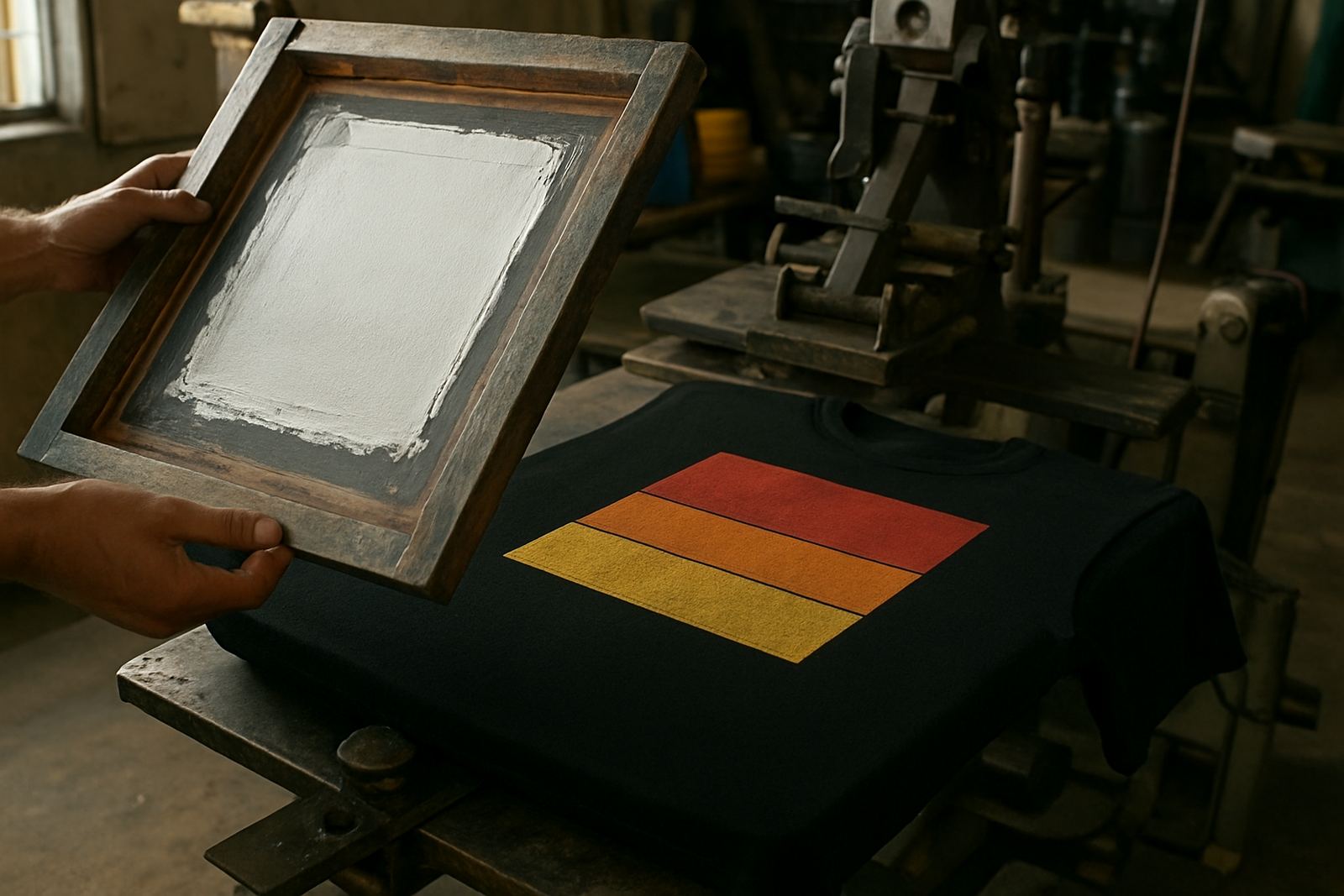
When you print bright ink straight onto a black, navy or bottle green garment, the fabric colour pulls the print down. The ink can look dull, patchy or even change shade once it is cured. An underbase solves that by laying down a solid light layer first, so the colour on top has something clean to sit on.
Think of it like priming a wall before painting. You would not expect a light colour to look true over a dark wall without a primer, and garments work much the same way. On T shirts for schools, clubs and business uniforms, this matters especially when the artwork includes yellow, red, sky blue or white details.
In Umbilo and the wider Durban area, many clients order dark workwear because it hides dust and wears well in daily use. That makes underbase printing a common part of the job, not an add on. The right setup depends on the fabric, the artwork and how many pieces are going out, whether it is 20 shirts or 2 000.
When you need one, and when you do not
Not every print needs an underbase. Light coloured garments, certain tonal designs and some minimal artwork can print well without it. The decision usually comes down to contrast, garment colour, fabric type and the finish the client wants.
As a rule, if the final colour must stay bright and readable on a dark garment, an underbase is worth using. If the artwork is meant to look soft, muted or vintage, the printer may reduce or skip the underbase. That is why a proper artwork check matters before anything goes to film or screen.
- Use an underbase for bright logos on black, navy or dark grey clothing.
- Use it for school leavers shirts, club kit and staff uniforms where colour match matters.
- Reduce it on distressed, faded or fashion style prints.
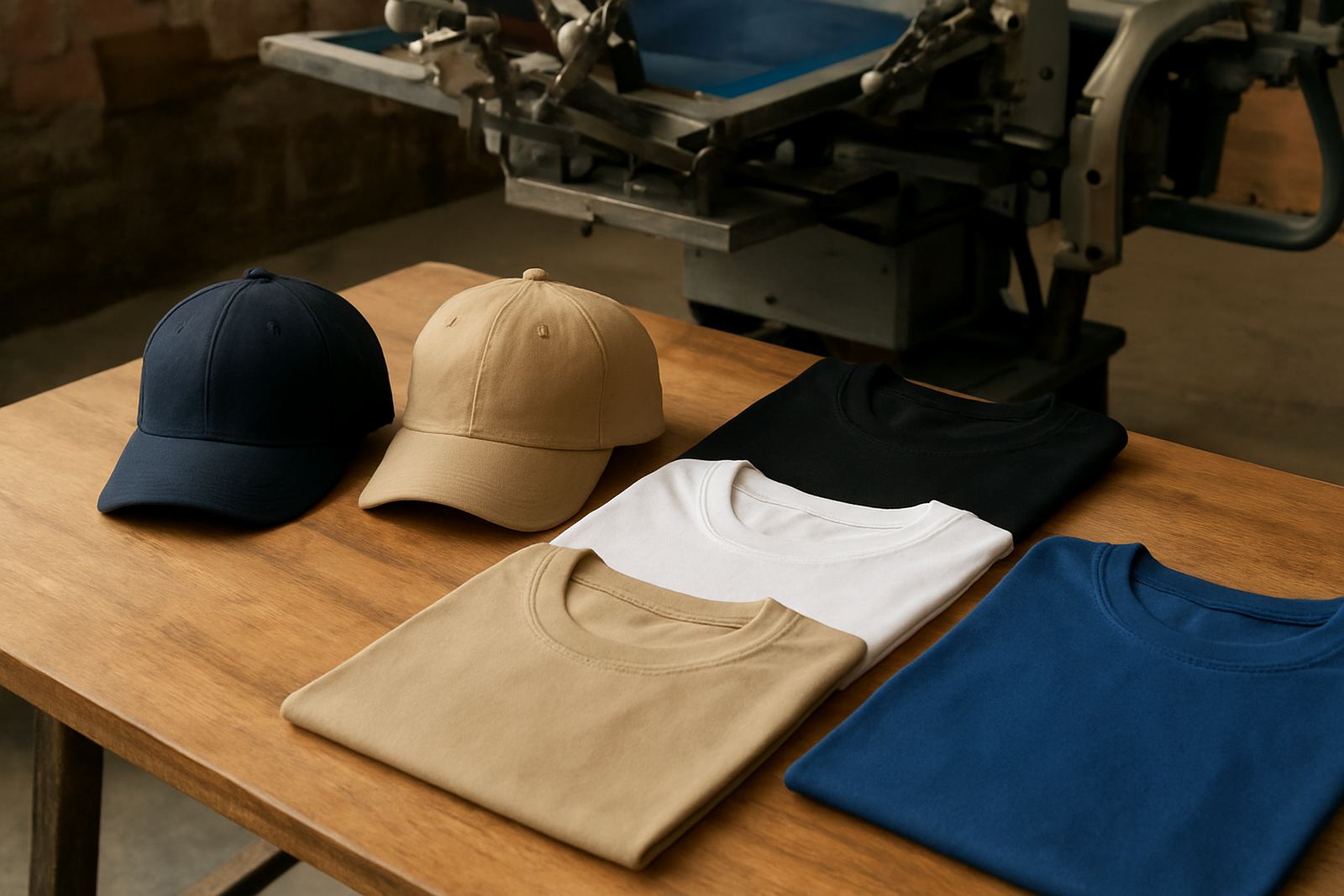
- Test it on blended fabrics before a large run, because polyester can behave differently.
Durban humidity can also affect how a print behaves during the day. If ink is not balanced correctly, the print may feel too heavy or set too slowly. A clean underbase helps keep the top colours consistent, even when the weather turns sticky.
How screen printers build the layers
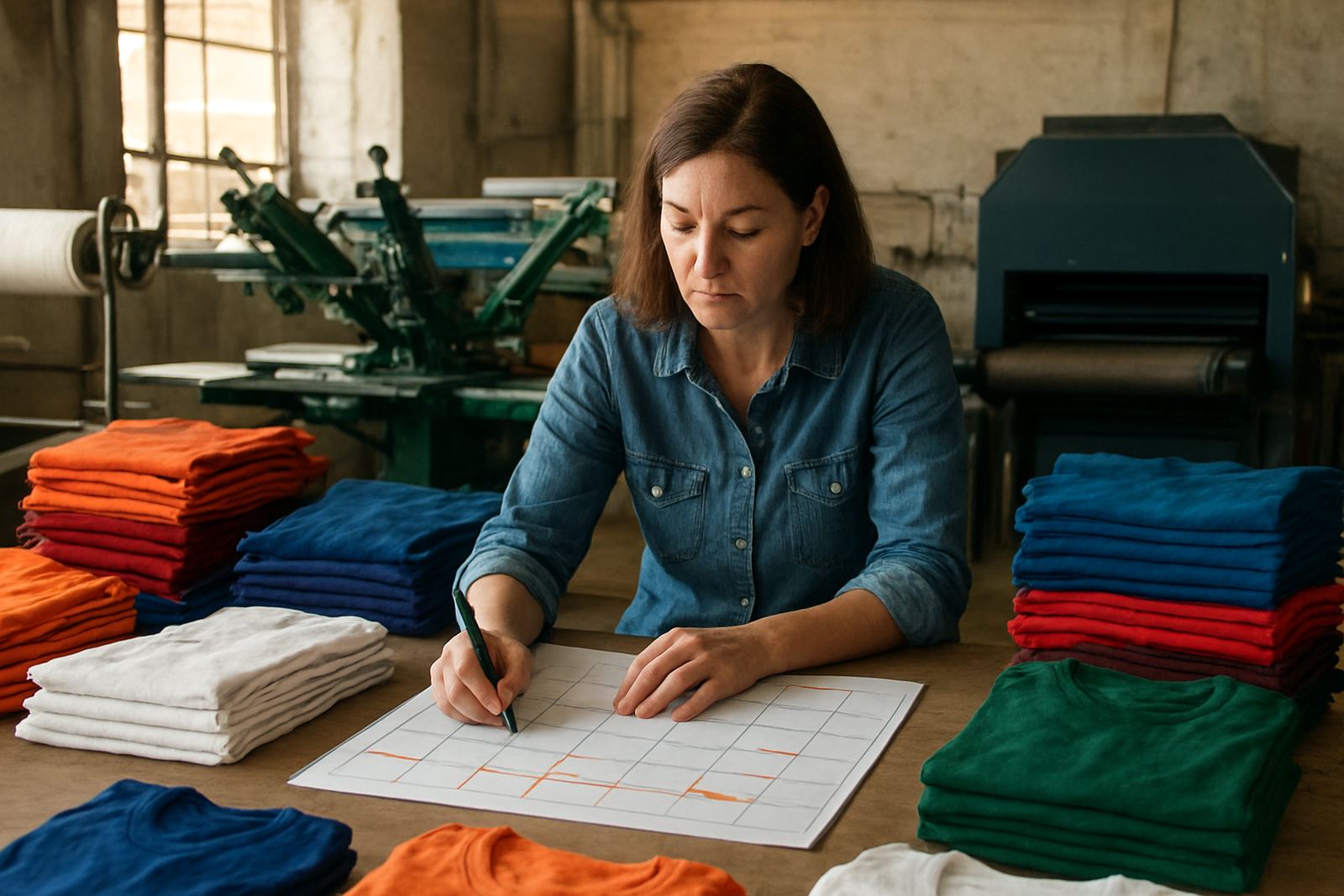
For screen printing, the process normally starts with artwork separation. The underbase is separated from the colour layers so each screen does one job properly. After that, screens are made, stretched, coated with emulsion, exposed, washed out and checked before any garment is printed.
Good registration is what keeps the white base and the top colours lined up. If the underbase is too large, too small or out by even a little, the edges can show. That is why test printing matters, especially on small logos or fine text where a millimetre can make a difference.
At Screen Spectrum, in-house stencil and screen making helps keep that control tighter. It also means adjustments can be done quickly when a client needs a changed size, a different placement or a cleaner edge. For local schools in Durban Central or clubs in Pinetown, that saves time and avoids redoing the whole job.
What changes on cotton, polycotton and performance wear
Fabric choice has a big effect on how an underbase performs. Cotton usually accepts a strong, even base and gives a good print finish. Polycotton often needs more care because the blend can affect both ink pull and curing. Performance wear can be more demanding still, especially on slick or moisture friendly surfaces.
On darker polyester or synthetic blends, the underbase must be chosen carefully so the print does not crack, ghost or lose colour after washing. This is where experience counts. A shirt for a Pietermaritzburg school sports day is not the same as a branded cap for a retail team in Ballito, and the print method should match the garment.
- Cotton: usually gives the cleanest result for full colour prints.
- Polycotton: needs close checking on ink hold and wash durability.
- Polyester: may need adjusted curing to avoid fabric damage.
- Caps and curved surfaces: need careful screen set-up and placement.
The aim is always the same, keep the colours bright without making the print thick or stiff. Too much underbase can be just as much of a problem as too little.
Why local conditions in Durban matter
Printing in Durban is not the same as printing inland. Heat, moisture and load-shedding can all affect drying times, screen consistency and turnaround planning. If the underbase is not exposed, washed out or dried properly, the whole print can suffer. That is why a well run workshop keeps screen storage, reclaiming and exposure under control.
For a sports club in Westville wanting dark training tops with bright numbers, the printer has to think about speed, durability and readability. For a school in Amanzimtoti, the job may need to survive repeated washing and regular wear. For a business in Durban Central, the print also has to look clean from across a room or a site gate. Small things matter, and a sloppy underbase shows up quickly.
Courier delivery helps once the printing is done, but the quality has to be right before the parcel leaves Umbilo. That includes artwork checking, film output, screen registration and a proper test print where needed. A tidy process keeps mistakes down and makes the final shirts more dependable.
How to brief your printer before you place an order
If you want the right underbase, give the printer clear details up front. The garment colour, fabric type, print size, number of pieces and preferred finish all affect the choice. It also helps to send the final artwork early so the printer can check the lines, fonts and colour layers before production starts.
A practical brief saves time and avoids back and forth. If you are ordering mixed sizes for a school function or a club trip, say that too, because placement may need slight adjustments across the run. The same goes for caps, banners and signage jobs where the surface or substrate changes the print method.
- Tell the printer the garment colour and fabric blend.
- Share the final artwork, not a screenshot if you can avoid it.
- Confirm whether you want bold colour or a softer finish.
- Ask if a test print is needed before the full run.
For clients in Umbilo, Berea, Pinetown, Ballito or Pietermaritzburg, a clear brief keeps the job moving and helps the print land as expected. If the underbase is right, the whole print feels better, looks cleaner and lasts longer.