
Why screen storage matters after the last print is done
Once a run is finished, the screen still carries value. A properly stored screen can be used again for reorders, colour changes, short runs and emergency replacements without starting from zero. If it is left dirty, damp or badly marked, the next job may need extra prep, more test prints and more set-up time. That means more labour and more room for error.
For printers in Durban and the wider KZN area, storage also has to handle heat and humidity. Umbilo can be sticky in summer, and coastal air is hard on coated mesh, wood frames and adhesive labels. If screens are stored in the wrong place, emulsion can soften, tape can lift and fine detail may weaken before the next use.
We keep the aim simple: store each screen so it can return to press in the same condition as when it left. That supports cleaner registration, better colour control and steadier repeat work for schools, clubs and businesses that reorder the same artwork through the year.
What a well kept screen should look like in storage
A screen that is ready for storage should be fully clean, dry and clearly marked. Ink residue, moisture and loose mesh dust all create problems later. A screen should also be easy to identify at a glance, especially when there are several versions of the same artwork or different sizes for the same client.
Good identification avoids mix ups. That is especially important where a business prints multiple garments, event banners or school items from one design family. A small handwritten code, a job reference and a date can save a lot of time when the same customer calls for a repeat run months later.
- Clear job reference or artwork code
- Colour count and print order noted
- Size of screen and frame type
- Date of last use or last reclaim
- Special notes on flash times, mesh count or ink choice
We also keep an eye on frame condition. If a frame has taken a knock, or the mesh has lost tension, it should not be treated like a long term standby screen. It may still print but it may not hold registration as well on the next job.
The storage process from washout to rack
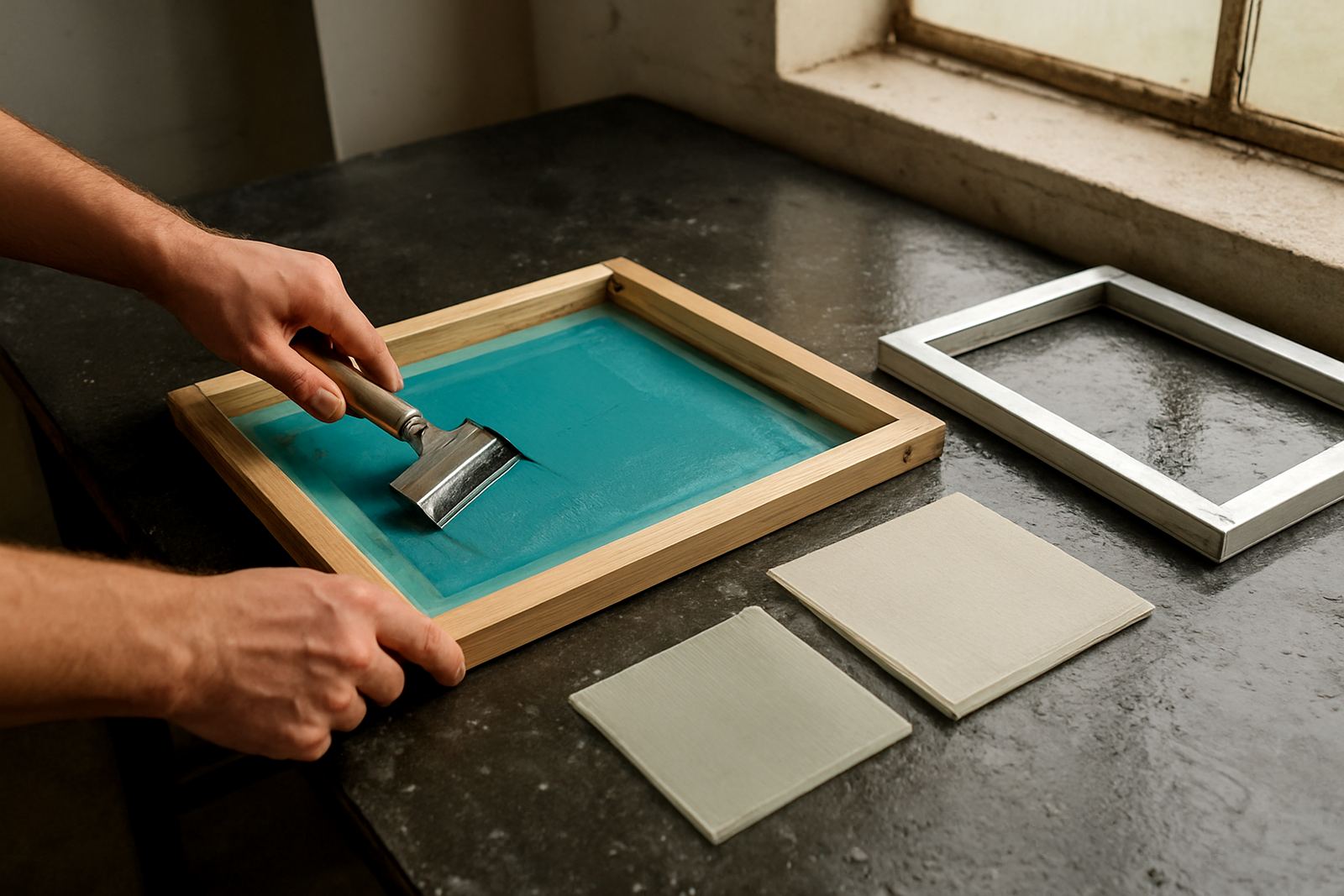
The right storage process starts before the screen reaches the rack. After printing, the screen is recovered if it is being reclaimed, or cleaned if it is due for repeat use. Ink, emulsion, tape and any residue must be removed properly. If a screen is put away with pigment still in the mesh, that residue can harden and affect the next exposure or print.
After washout and touch-up, the screen has to dry fully. Even a little trapped moisture can lead to mould, smell or emulsion breakdown. In a humid area like Durban this step matters more than people think. Screens should not be stacked while damp, because the mesh can stick to another frame or collect dust from the floor.
In practical terms, the path is usually:
- Inspect the screen for leftover ink, pinholes or damaged tape
- Dry it in a clean area with airflow, away from direct dirt
- Mark the screen clearly for reuse or reclaim
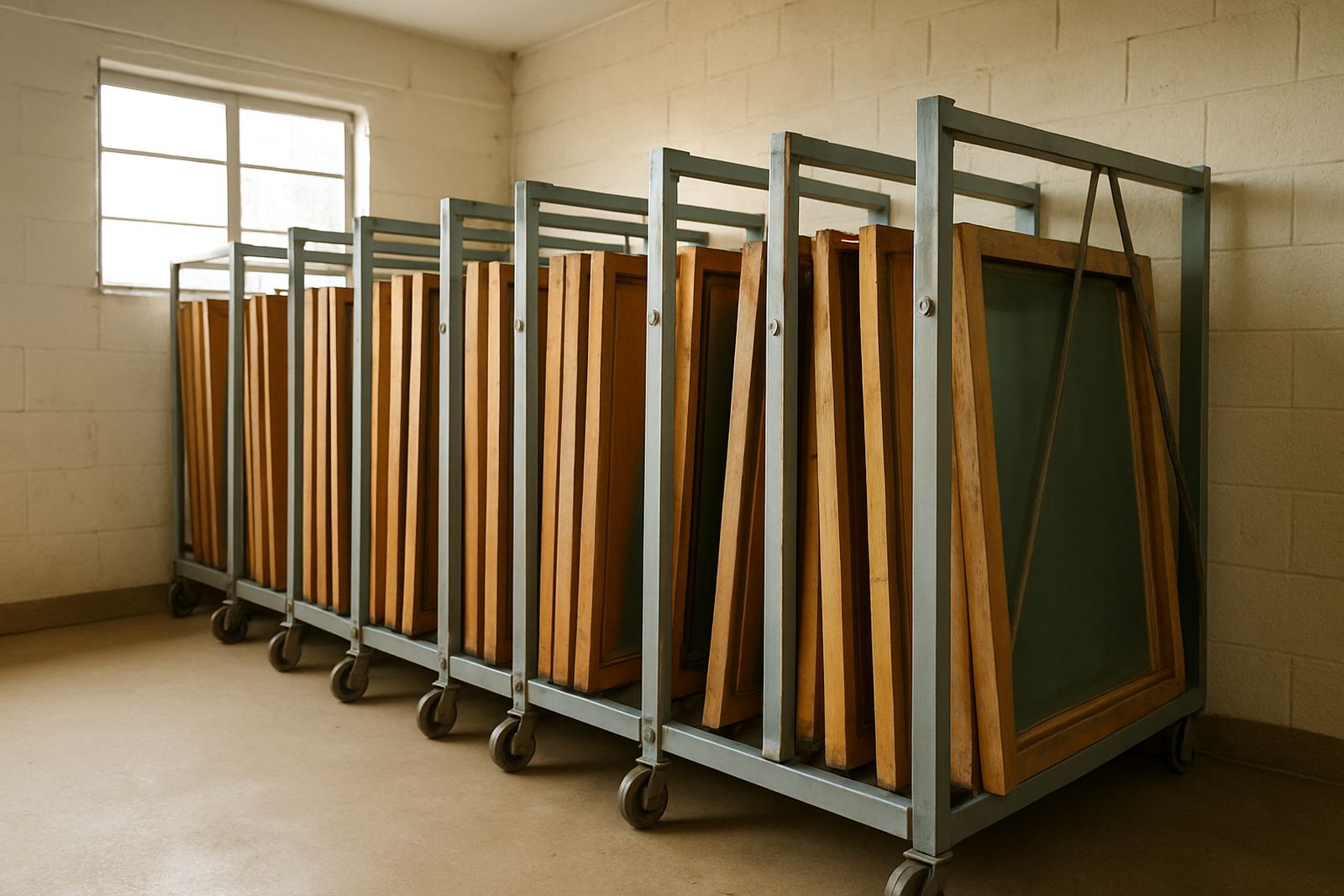
- Store it upright or flat in a way that protects the mesh
- Keep it out of strong sunlight and away from chemicals
A simple routine like this keeps the screen in usable condition and makes the next print run easier to plan.
How storage supports repeat orders and better registration
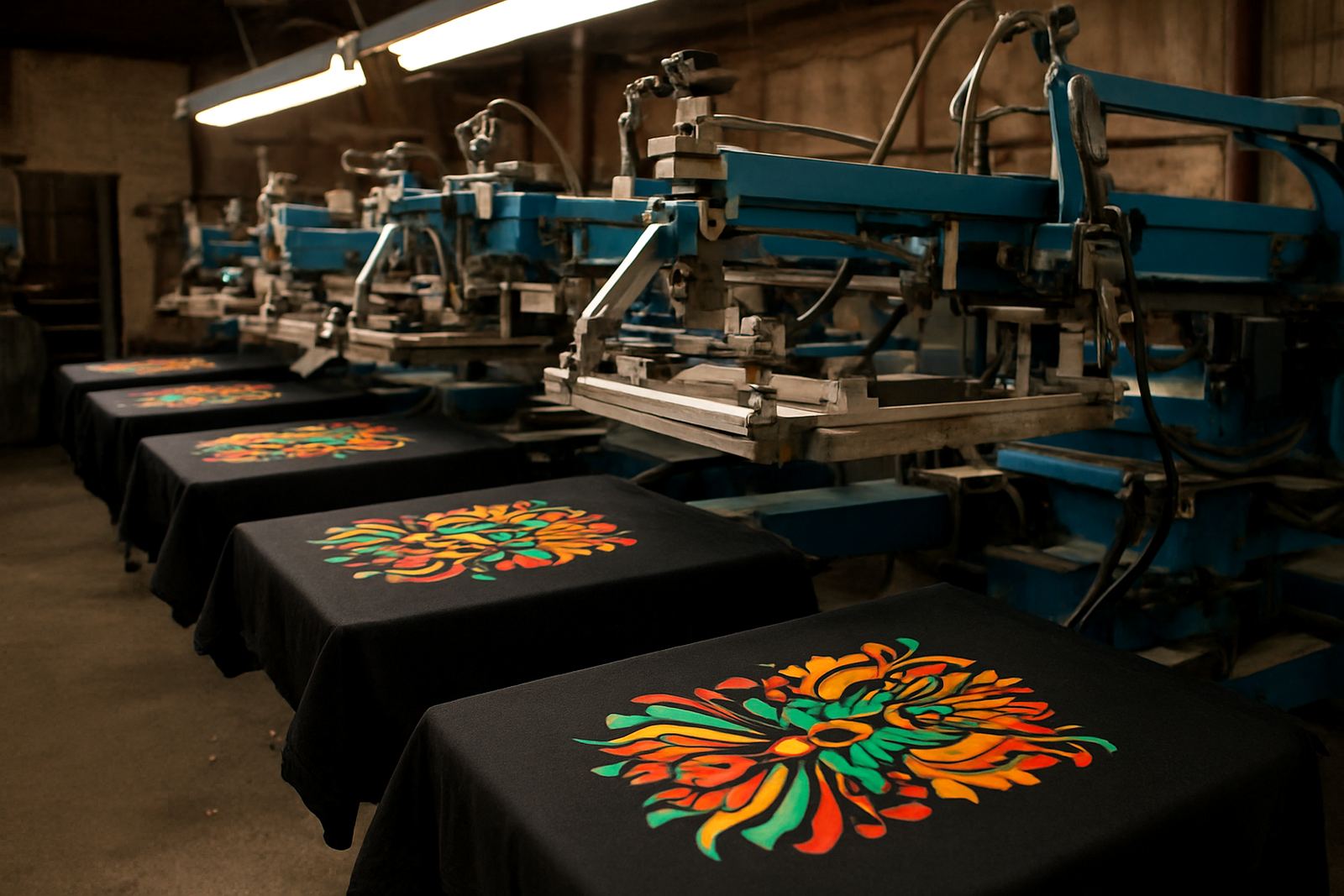
Repeat work is where proper storage really pays off. If a KZN school needs another batch of shirts for sports day, or a club wants extra caps for new members, a stored screen can get the job moving quickly. The artwork does not need to be remade from scratch, and the print team can go straight into setup after checking that the screen is still sound.
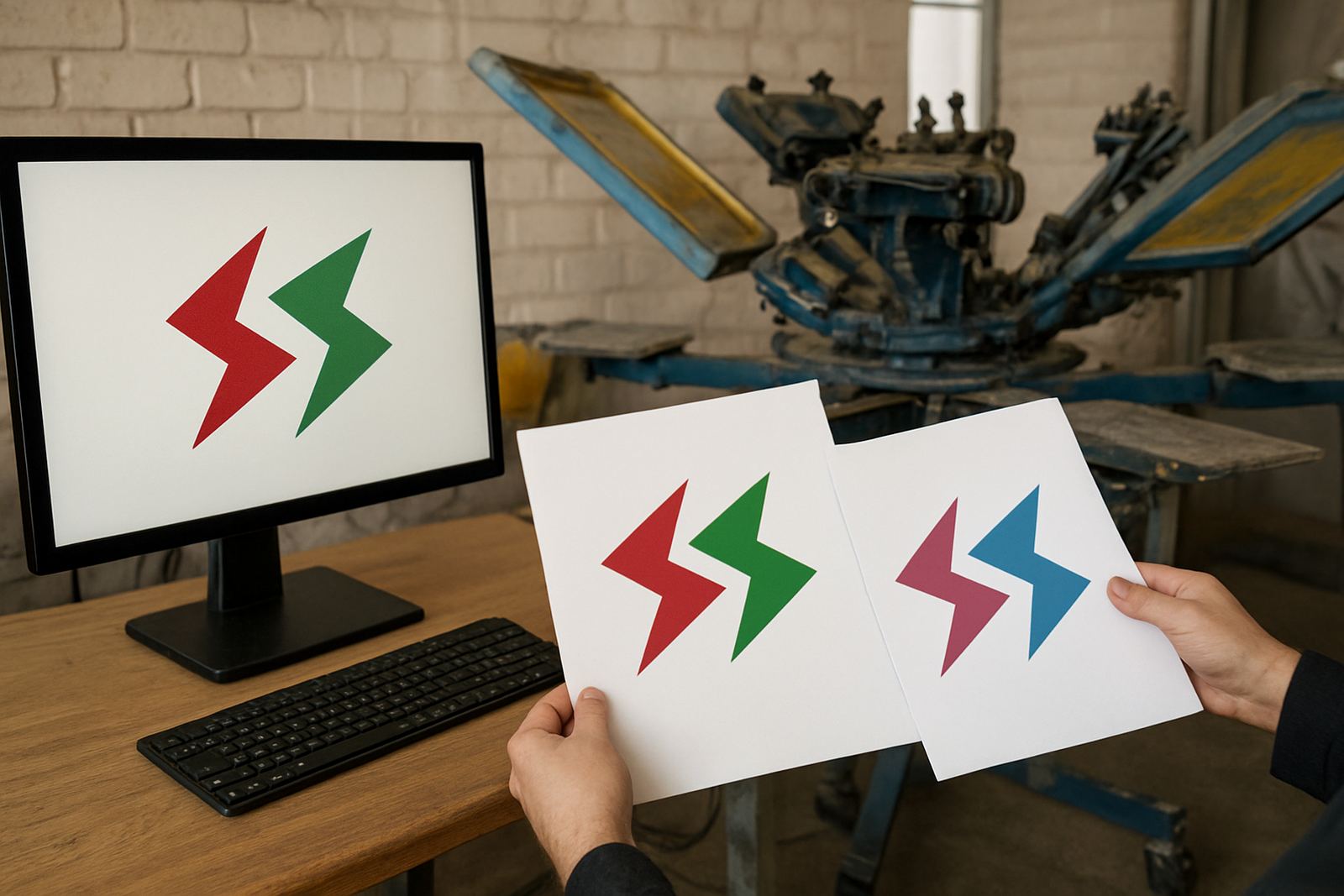
For multi colour work, storage helps with registration too. When each screen is kept in order, the team can match colours and positions with less trial and error. That matters on jobs where the print has fine lettering or small detail, because even a slight shift can change how the finished item looks.
Good storage also reduces the risk of using the wrong screen on the wrong item. A banner screen is not the same as a shirt screen, and a cap job may need a different set-up again. If the screens are organised properly, the team spends more time printing and less time searching through racks.
Local conditions in Umbilo and coastal Durban
Durban printers have to think about more than dust. Coastal moisture, summer heat and load-shedding all affect screen care. During an outage, a screen that has not dried properly can sit in a less ideal state for longer. When power returns, it may already be at risk of sticking, softening or gathering dirt before it gets back into use.
That is why storage spaces need to stay neat, dry and controlled as far as possible. Screens should be kept off the floor, away from water splash and out of direct sun from open windows. The room should also allow for regular checking, because a screen that looked fine last week may need attention if weather or handling conditions changed.
For businesses in Durban Central, Berea, Pinetown, Westville, Amanzimtoti, Ballito and Pietermaritzburg, couriered screens or repeat print jobs still benefit from the same discipline. The location may change but the standard should stay the same.
What we check before a screen goes back onto the shelf
Before a screen is stored for later use, it should pass a proper check. That includes the mesh, the frame, the image area and the edges where tape or adhesive may have been removed. If there is a small pinhole, a lifted edge or a stain that could interfere with print quality, it should be noted straight away rather than discovered on press day.
- Mesh tension and surface condition
- Frame strength and straightness
- Clean image area with no residue
- Dryness across the full screen
- Readable labels for future reference
Our team handles artwork checking, colour separation, film output, screen stretching and screen making in house, so storage fits into the wider production process. That means a screen is not treated as a loose item, but as part of a planned workflow from first artwork to repeat order. It keeps the job trail clear and practical.
A simple Durban example of why storage saves time
Picture a local school in Durban ordering 60 shirts for a winter sports event, then coming back two months later for another 30. If the screen from the first order was cleaned, labelled and stored properly, the second batch can be prepared quickly. The artwork is already on file, the screen is ready to check and the team can get moving without a full rebuild.
If that same screen had been left dirty, damp or unmarked, the repeat job would start with uncertainty. The image might need touch-up, the mesh could be compromised and the print crew may have to waste time sorting out what was used before. In a busy season that can delay delivery and raise costs.
That is why careful screen storage is not an extra. It is part of the printing standard that keeps quality steady and makes repeat work easier for everyone involved.