
Why packing matters as much as printing
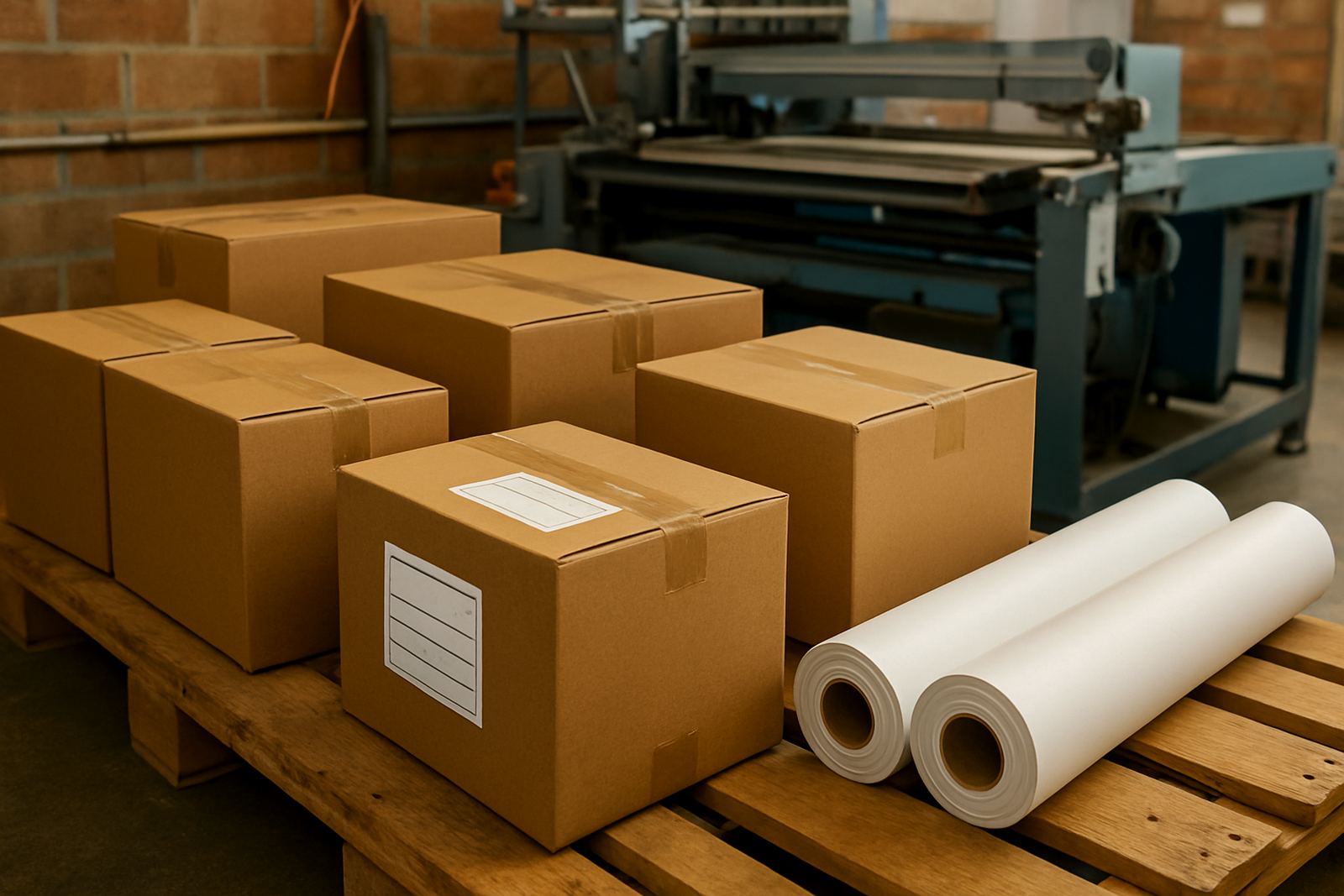
A clean print can still arrive damaged if the packing is sloppy. Shirts can pick up moisture, signage can bend, and fresh ink can mark the next garment if items are stacked too soon. That is why we treat couriering as part of production, with checks that start before the parcel leaves Umbilo.
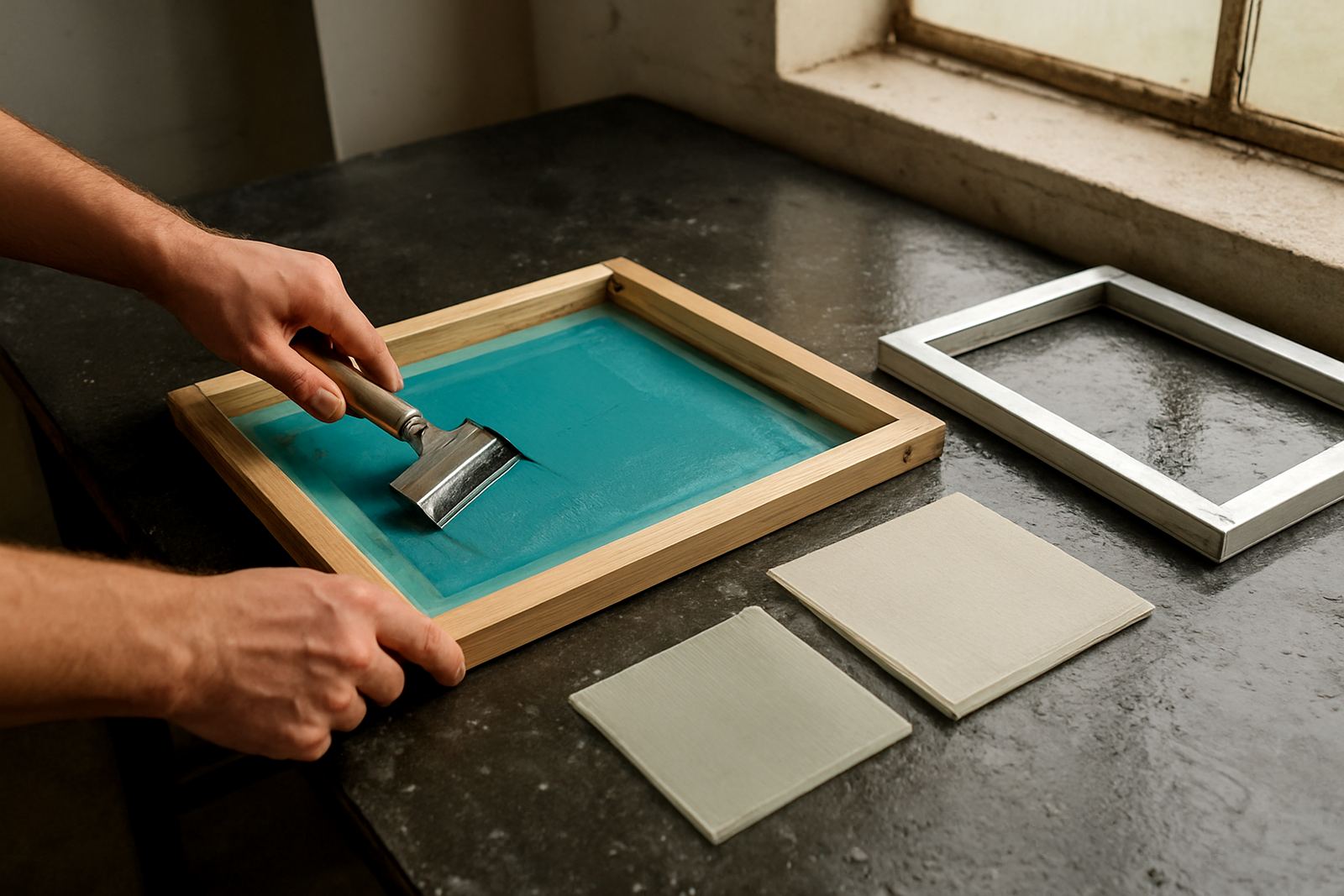
Durban weather adds its own pressure. Coastal humidity can hold a print open for longer than inland areas, so garments need the right drying time before they are folded and packed. For larger orders going to Pietermaritzburg, Ballito, Pinetown or further afield, the packng method changes depending on fabric, quantity and the type of print used.
We also keep municipal and school orders practical. A sports club may want 40 shirts split by size, while a school may need banners, staff wear and event signage in one delivery. Each order gets labelled clearly so the person receiving it can sort it quickly, without having to open every bag on arrival.
How we prepare garments for courier collection
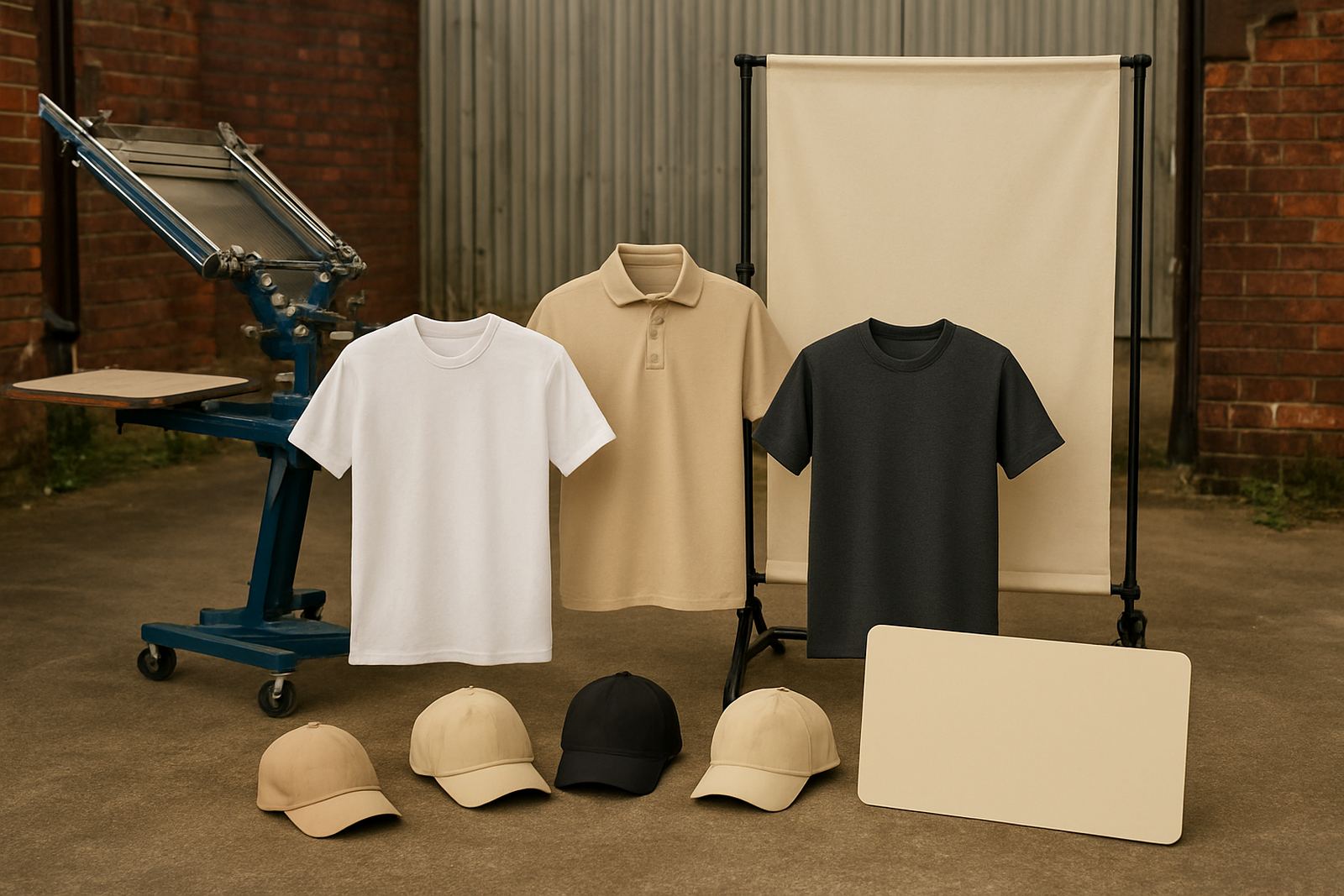
Before any parcel is sealed, the printed items are checked for finish, count and sizing. If the order includes T-shirts, caps or workwear, we separate it into neat bundles and keep like items together. This makes life easier for the customer and for the courier handling the parcel at the depot.
- We count each item against the job card before packing.
- We allow prints to cool and cure properly so they do not transfer.
- We fold or stack by size and colour to keep the order easy to unpack.
- We use inner wrapping where needed to guard against dust and moisture.
- We mark fragile or keep-flat items so they are not squeezed under heavy parcels.
For bulk school uniform printing, we often pack by class, team or house colour. That way a teacher or organiser can hand out the goods without opening and re-sorting everything. For business orders, we can group items by department, branch or event date. It saves time on the receiving side and cuts down on mistakes.
Signage, banners and boards need a different approach
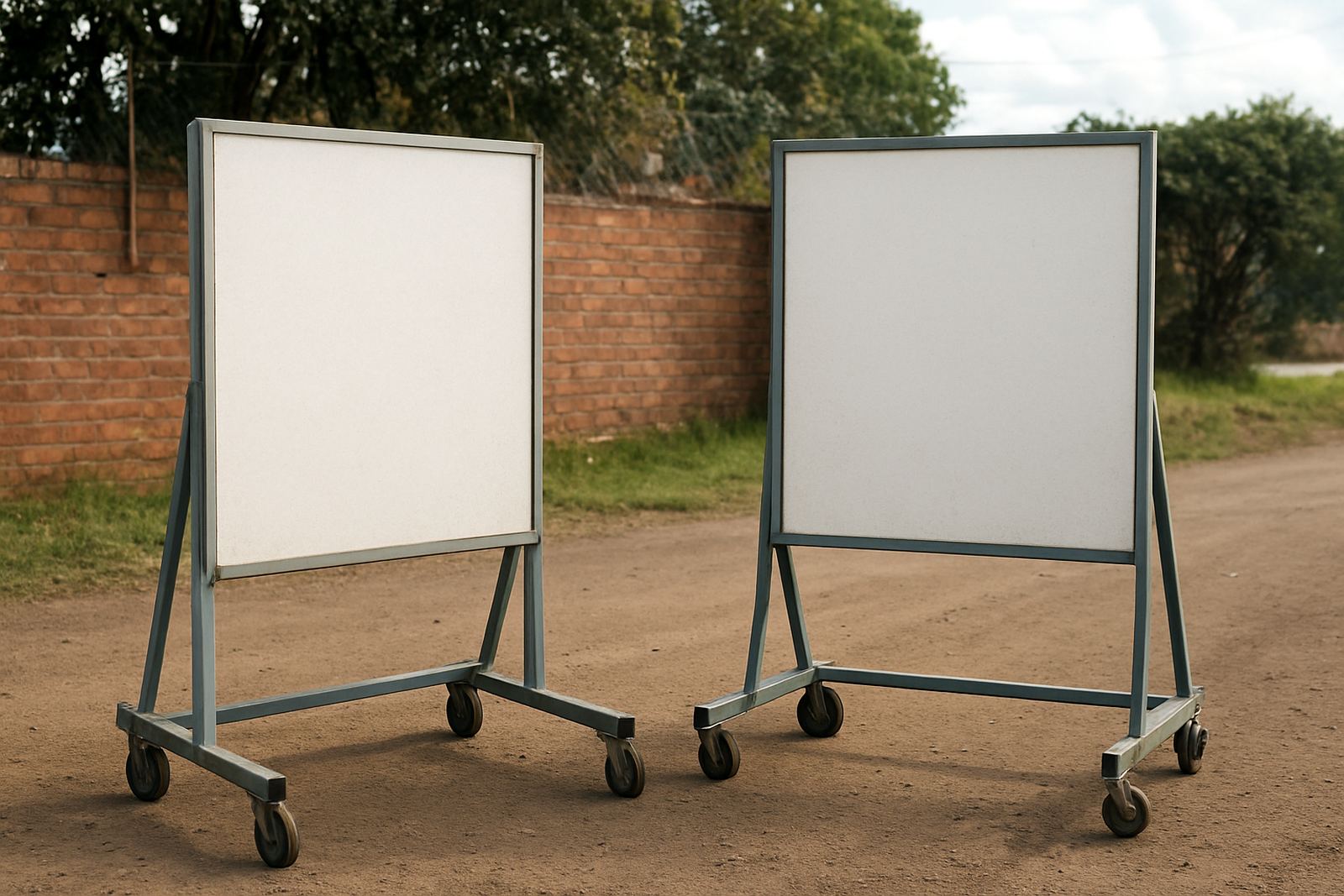
Printed signage travels differently from clothing. Flexible banners can be rolled, but boards and rigid signs need edge protection and a strong outer wrap. If a board is too large for standard handling, we plan the courier option around its size and the route, especially for long trips to coastal towns where road vibration can be an issue.
We make sure corners are protected, surfaces are kept clean and the printed face does not rub against rough packing material. Where needed, we use cardboard stiffeners, bubble wrap or flat boxes so the sign arrives ready to hang or install. This matters for shops, churches, schools and event organisers who are often working to a deadline.
For banner rolls we keep the tube or roll tight enough to avoid creasing but not so tight that the edges curl. If the order includes multiple banners for one site, they are labelled in sequence. That way the installer does not have to guess which piece goes where.
- Roll banners, do not fold them.
- Protect corners on foam board and rigid signs.
- Keep printed surfaces away from rough tape and loose staples.
- Separate installation hardware from printed panels where possible.
Couriering across KZN and beyond
Our Umbilo base works well for Durban Central, Berea, Pinetown and Westville deliveries, but many orders travel much farther. Couriering allows us to send printed goods to Amanzimtoti, Ballito, Pietermaritzburg and across South Africa without the customer having to collect in person. For businesses with branches in more than one town, this is often the simplest way to keep a campaign moving.
We plan around collection times, turnaround and the receiving address. If a parcel needs to reach a school before a sports day, or a business before a promotion starts, we advise on the best way to package and send it. During busy periods, especially at month-end or before school terms begin, it helps to place the order early so there is enough time for production and dispatch.
Couriers also need accurate details. A clear delivery name, physical address and contact person reduce delays at depots and security gates. In some parts of KZN, estates and office parks have strict receiving rules, so we ask for that information before dispatch. It prevents a parcel from sitting in a van while someone tries to find the correct entrance.
What customers can do to help the parcel arrive safely
There are a few simple steps that make a real difference. When a customer knows the end use of the goods, we can pack the order better. A box of caps for a club trip is not packed the same way as a set of branded banners for an outdoor activation. The more we know before dispatch, the better the parcel travels.
It also helps to say whether the goods will be stored before use. If an order will sit in a hot office, a humid storeroom or a vehicle for a day or two, we may recommend different wrapping. Durban heat and humidity can affect how some prints behave if they are sealed too tightly while still warm.
- Confirm the full delivery address, including suburb and post code.
- Tell us if the order is urgent or time-sensitive.
- Say whether the goods are for indoor use, outdoor use or both.
- Let us know if the parcel will be opened by a team, school office or site manager.
- Check that someone is available to receive and sign for the delivery.
These small details reduce breakages, returns and confusion. They also help keep courier costs under control, because the right packing the first time is often cheaper than sending replacement stock later.
A Durban example that shows the process
Take a local club in Umbilo that orders 60 printed T-shirts, 20 caps and two banners for a weekend fundraiser. The garments are printed, allowed to settle, then sorted by size and colour. The caps are boxed separately, and the banners are rolled with edge protection. The whole order is labelled for one delivery point, then sent out for courier collection from our Durban base.
By the time the parcel reaches the organiser, the items are still neat and ready to hand out. There is no guessing which box belongs to which team, and no need to flatten a folded banner before hanging it. That is the standard we aim for on every job, whether it is a one-off school event or a larger business order heading out of province.
Couriering printed orders well is about care, timing and clear labels. If those three things are right, the print can do its job at the other end without extra stress.