
Start with the items you will use every week
When a new business places its first order, it helps to think about the pieces that will be worn or seen most often. For most teams that means a small run of T-shirts or golf shirts, one or two banners, and a few signs for the counter, vehicle or entrance. That gives you a clean start without over-ordering in sizes or formats you may change later.
If your team works across sites in Durban, Pinetown, Westville or Berea, it is worth keeping the first batch simple. Choose one garment colour, one logo placement, and a sign size that can work at reception, on a wall, or at an event. This keeps artwork, production and reordering easier, especially when your staff list changes in the first few months.
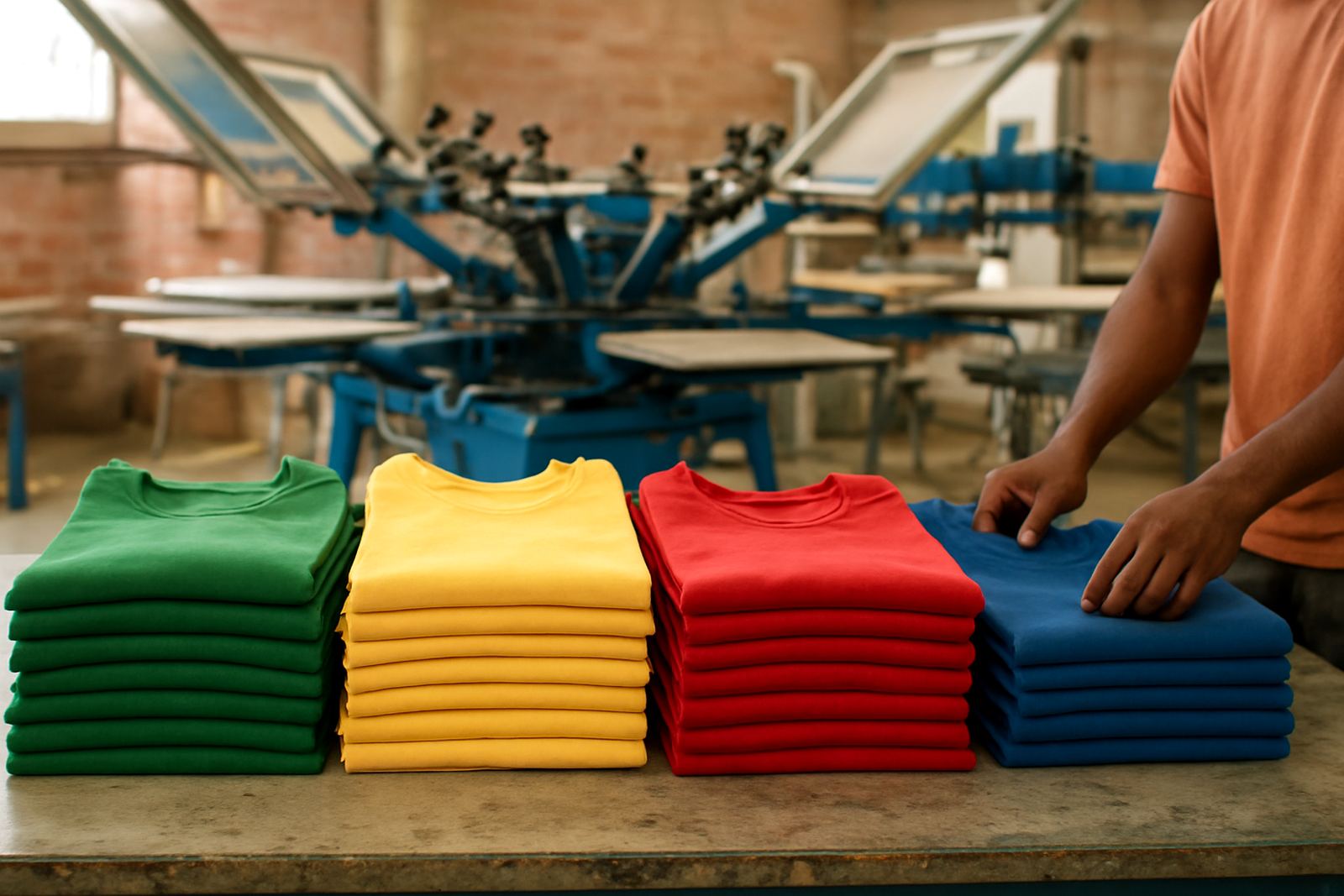
- 2 to 3 dozen printed T-shirts for daily wear
- 1 small banner for events, openings or roadside visibility
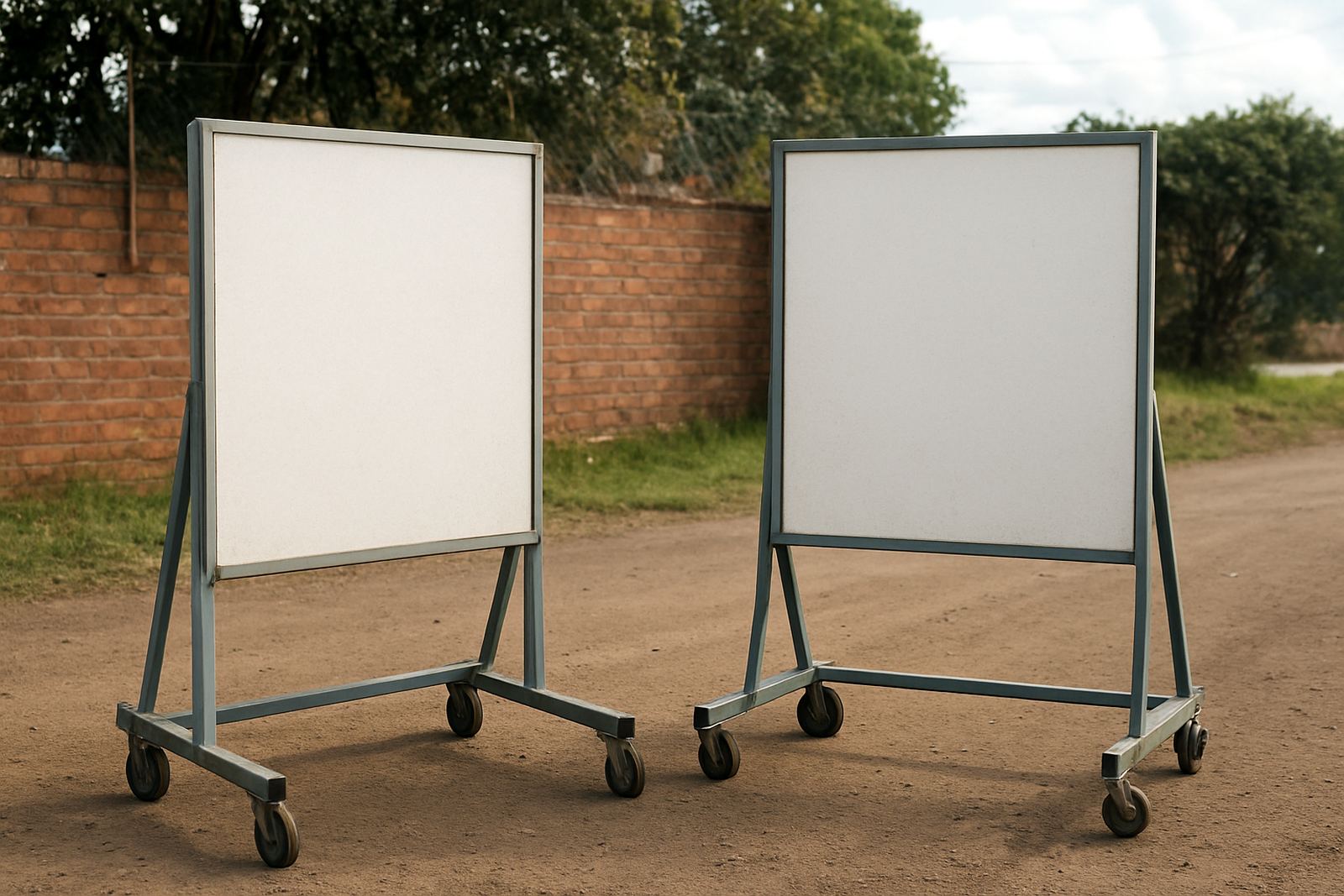
- 1 or 2 rigid signs for reception, gate or counter use
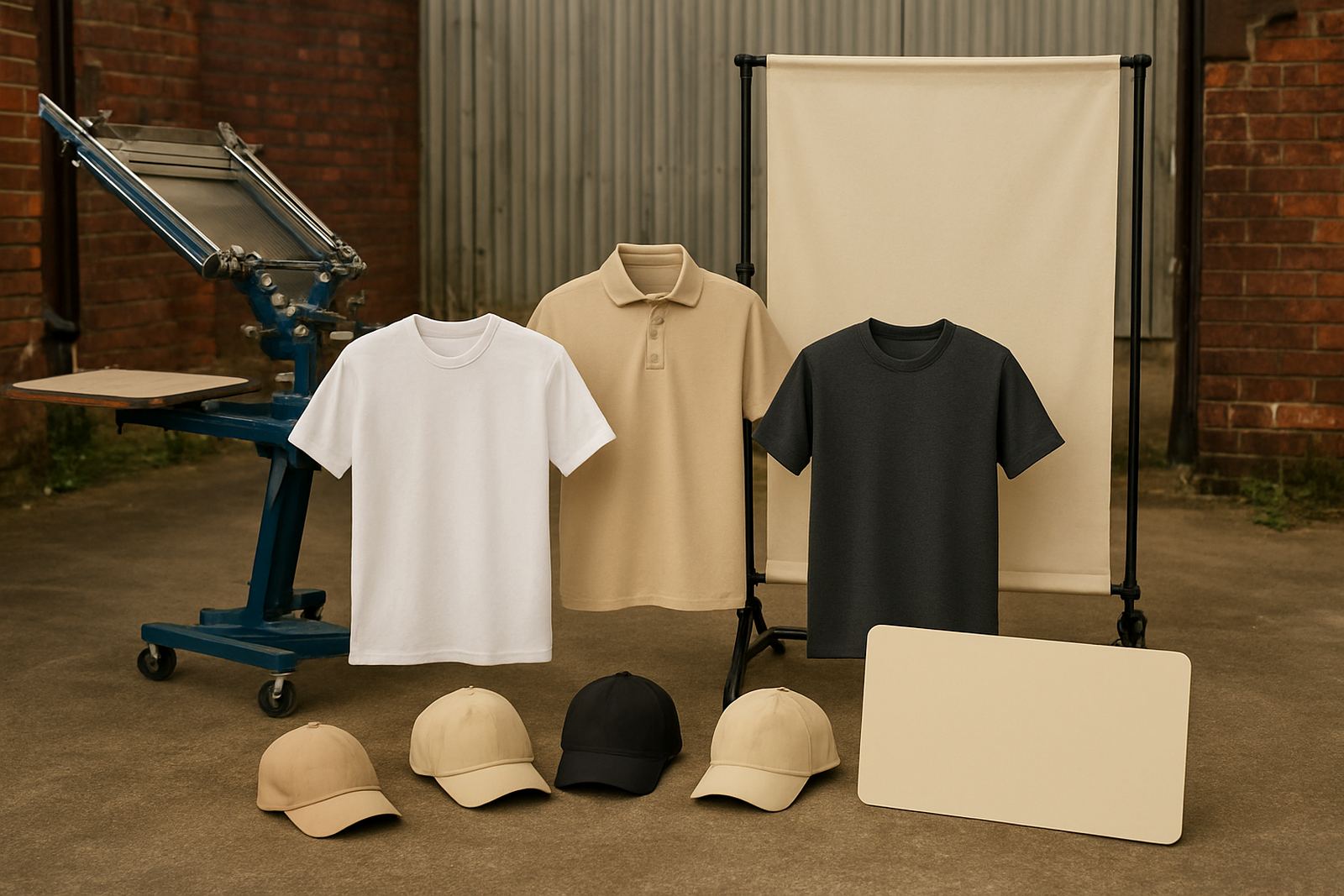
- Extra printed caps if staff work outdoors or in the sun
Choose garments that suit Durban weather and use
Durban humidity, coastal air and regular wash cycles can punish poor fabric choices. For most new businesses, mid-weight cotton or poly-cotton works well because it holds print neatly and is comfortable for long shifts. If the team is outdoors, on site, or moving between branches, caps can be useful too, especially for sun protection around Ballito, Amanzimtoti and the coastal strip.
We normally advise clients to think about how often the item will be worn before deciding on print method. Screen printing is usually cost-effective for repeat logos on larger runs. Digital printing suits smaller quantities, multi-colour artwork, or quick trial orders when a company is still refining its look.
- Pick darker garments if the work is messy or dusty
- Use lighter colours where heat is a concern
- Keep one spare size for each of the more common measurements
- Allow for shrinkage if the garments will be washed often
Signage should answer one job at a time
Many new businesses try to make one sign do too much. A better approach is to decide what the sign must do first. A banner may be for passing traffic, while a counter sign may only need to guide customers inside the premises. For a KZN school, club or startup office, the right size depends on where people will stand and how far away they need to read it.
At our Umbilo base, we often help clients separate the needs of event signage, wall signage and outdoor identification. A banner for a Saturday market in Durban Central is not the same as a more permanent sign at a workshop in Pinetown. If the sign will face weather, ask for a finish that can handle sun, rain and sea air better than a temporary indoor print.
- Use banners for events, launches and temporary directions
- Use rigid signage for entrances, counters and wall-mounted branding
- Keep wording short so it can be read quickly
- Check with your landlord or local rules before fixing signs outside
Get artwork right before you order
New businesses often have a logo, but not always in a print-ready format. That is where artwork checking, vector redrawing and colour separation matter. If the file is blurred, too small or set up in the wrong colour mode, the final print can lose sharpness. It is much easier to sort that out before production than after garments have already been printed.
For screen printing, film output and screen exposure need clean artwork with proper line weights. If a logo has fine details, tiny text or gradients, we will usually advise how it will reproduce on fabric or signage. Priya Naidoo in our team handles artwork coordination so the final layout matches the item size and the print method. One bad file can delay a launch by days, so it pays to check early.
- Send the highest quality logo file you have
- Confirm spelling, phone numbers and trading name before print
- Ask for a proof if you are unsure about size or placement
- Keep fonts and colours consistent across garments and signs
Think in batches so your first spend goes further
Ordering everything at once is rarely necessary. A better method is to divide the job into immediate needs and later needs. First order the items needed for staff and customer-facing branding. Then add event pieces, seasonal stock or extra sizes once the first round has proven itself. This is especially useful for startups that are still testing pricing, staffing and route plans in Durban and surrounding areas.
Screen Spectrum supports runs of any size, which helps if you only need a small first batch. You may want 12 shirts for the initial team, then another 18 once a second branch opens or more staff come on board. With in-house stencil and screen making, the production setup can be kept practical for short runs and repeat orders alike.
- Phase 1: staff wear and basic signage
- Phase 2: event materials and outdoor display pieces
- Phase 3: larger reorders once sizes and colours are confirmed
- Phase 4: seasonal or promotional print items
Plan for delivery, storage and reorders
Once the first order is done, the next step is keeping it moving. If your team is based in Durban Central, Berea, Westville, Pinetown or further out in Pietermaritzburg, courier delivery can keep things simple. We also handle dispatch from Umbilo for local clients who need quick turnaround and clear packing. Lwazi Khumalo manages dispatch so items go out labelled and in usable quantities.
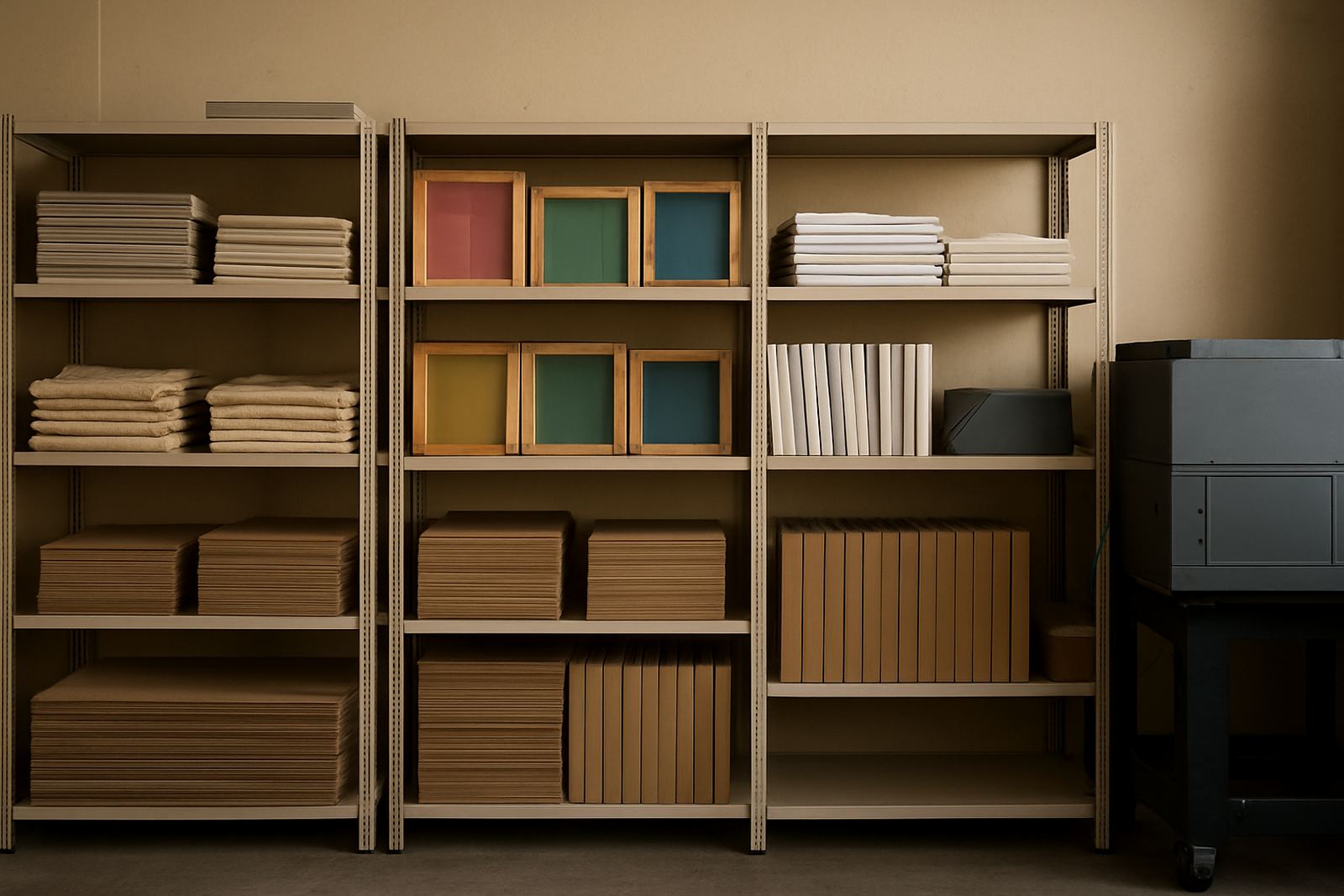
It also helps to store extra garments and signage in a dry place. Coastal humidity can affect packaged stock, and screens should be kept in proper storage between jobs. For businesses that may need repeat print runs, it is useful to keep notes on garment sizes, print colours and quantities from the first order. That way the next batch is quicker and more accurate, even if load-shedding or a busy season puts pressure on the schedule.
- Keep one order record with sizes, colours and placement notes
- Store spare stock away from heat and damp
- Leave room in your plan for reorders after staff growth
- Use the enquiry form on our contact page when you need a follow-up job
A practical Durban example for a first order
A new café in Umbilo might begin with 20 T-shirts for front-of-house and kitchen staff, 10 caps for outdoor work, one banner for a launch weekend, and a printed sign for the entrance. If the business is serving customers across the day, the logo should be readable from a distance and the shirt colour should hide light dust or splashes better than white. That simple mix covers the main needs without pushing the budget too hard.
For a school club or small contractor in KZN, the order may look different but the idea is the same. One set of garments for the team, one sign for visibility, and one spare batch ready when the next event or job starts. That approach makes the first spend easier to manage and keeps the brand looking orderly from the start.