
When a Cap Wins on Everyday Visibility
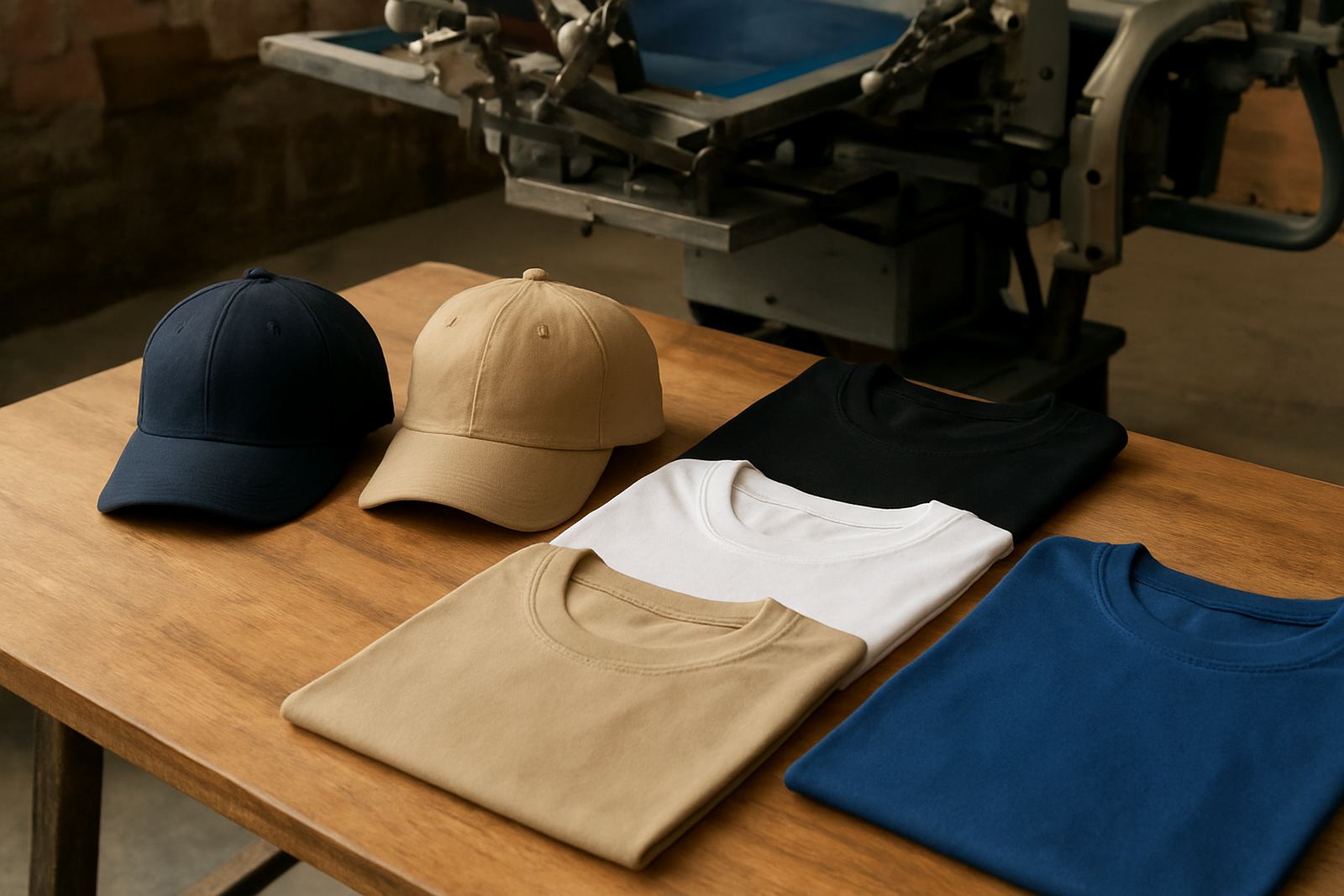
A cap can be the smarter choice when you need a lower-cost item that gets worn often. People use caps at sports days, site visits, weekend markets, roadshows, and outdoor school events, so your logo stays in front of others without asking the wearer to dress for the occasion. For teams that spend time outside in Durban heat or along the coast, a cap also gives a practical bit of shade, which helps with repeat use.
Caps work well when your artwork is simple and bold. A clean logo, school crest, club name, or one strong line of text reads well on the front panel or side. Because the print area is smaller, you usually need to keep the design tighter, but that can be an advantage. It keeps the message clear and avoids clutter.
- Good for giveaways where budget per item is tight
- Useful for outdoor promotions and uniform use
- Easy to issue in mixed sizes because most caps are adjustable
- Best for short messages and strong logo placement
Why Shirts Still Carry the Biggest Message
Shirts give you more print space, which makes them ideal when you want names, sponsors, a slogan, or a larger graphic to carry the message. For events where people are close to the audience, such as school open days, tradeshow stands, club launches, or staff front-of-house roles, shirts are hard to beat. They communicate more at a glance and they can make a group look coordinated straight away.
They also suit repeat use very well. A good quality shirt gets worn to training, deliveries, casual Fridays, and community events, so the impressions keep coming long after the first handout. The only caution is that shirts usually cost more than caps, especially if you need several sizes and more print coverage. Still, if visibility matters, the extra spend can make sense. It is often the item people keep and wear the longest, if the fit is right and the fabric holds up.
- Best for detailed branding, sponsor names, and larger artwork
- Better for uniformity when a team needs the same look
- Useful for events where the wearer is close to customers
- Available in different cuts and sizes, including bulk runs
How to Compare Cost Without Guessing
The cheapest item is not always the better buy. A cap may cost less upfront, but a shirt can deliver more brand space and more wear days. The real question is how many times each piece will be seen. If the aim is to put a name in front of people at a one-day event, a cap may be enough. If you want a uniform that works for weeks or months, shirts often give better value.
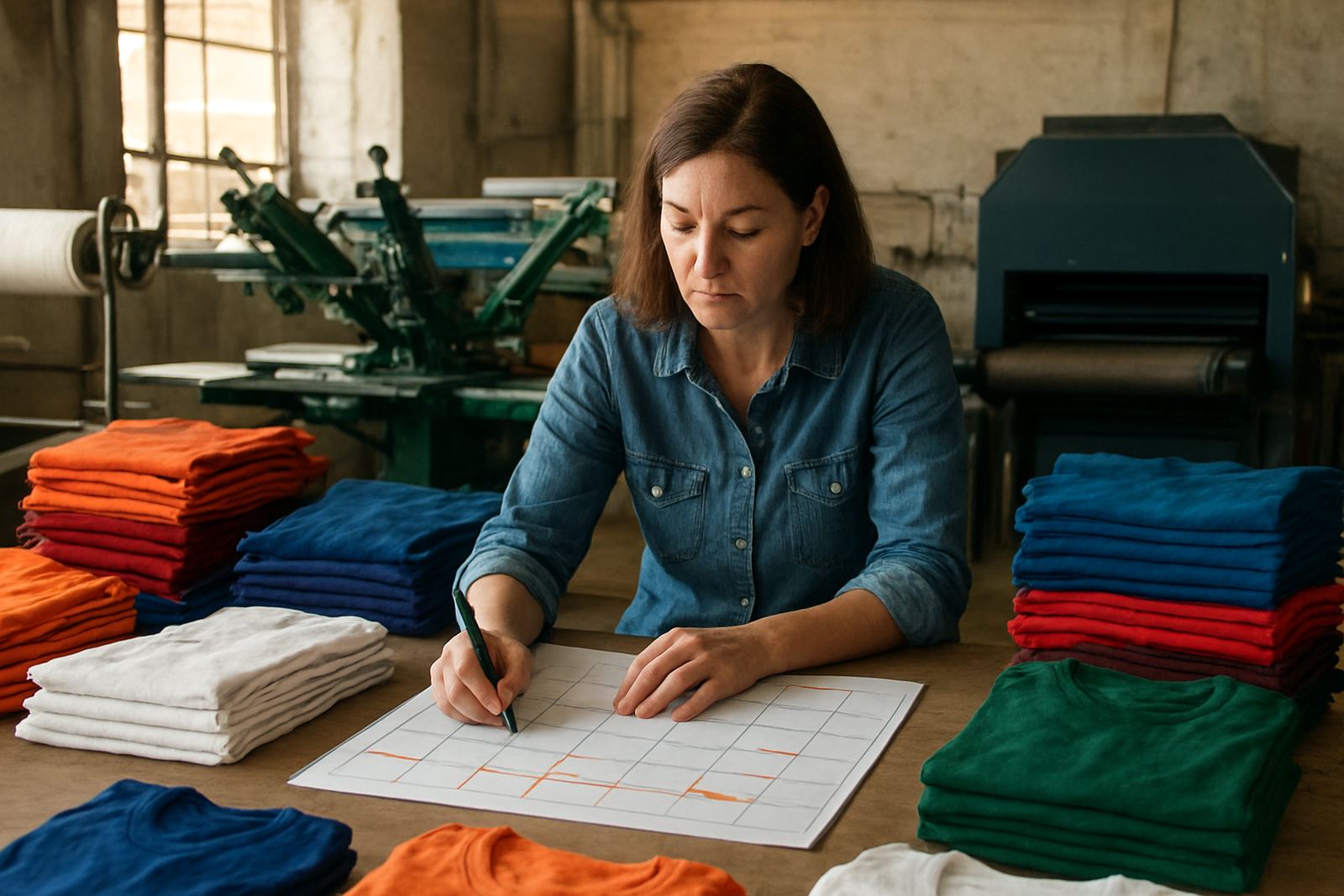
We usually look at three things before advising on a run: the item cost, the print setup, and the expected use. For smaller quantities, setup and artwork preparation matter more. For larger quantities, the unit price becomes more important. That is why a school ordering 40 staff shirts will see a different costing shape than a club taking 200 caps for a tournament. The numbers change quicky once sizes, colours, and print positions are added.
- Count how many times the item will be worn
- Work out whether the audience will be near or far
- Check if one colour print is enough or if more detail is needed
- Factor in sizing, repeat orders, and replacements
Artwork, Colour and Print Area Matter More Than Most People Think
Good branding starts with artwork that suits the item. A shirt can handle a larger logo, a front print, a back print, and even a sleeve mark if needed. A cap gives you less room, so the artwork needs to be simplified and positioned carefully. If a logo is too detailed for the space, it can lose clarity once printed or stitched. That is why we check artwork before production and can redrawn it into a cleaner format when necessary.
Colour choice also matters. A dark garment with a pale logo can stand out strongly, while some combinations need underbase work or careful separation so the print stays true. On caps, the curve and seams change how a design sits, so a clean layout is important. Shirts are more forgiving, but fabric type still affects how ink sits and how the final finish feels. In humid Durban weather, material choice and curing also matter because garments must hold up through wear and washing.
Durban Use Cases That Show the Difference
For a Pietermaritzburg school sports day, caps can work well for learners, coaches, and volunteers who need quick identification and sun protection. For staff who are greeting parents at the gate, shirts are better because the role is more public and the branding needs to be read from a distance. In Pinetown or Westville, where businesses often want a neat, practical uniform for deliveries and site visits, shirts usually carry the company image better.
A local example: a Durban club running a weekend fundraiser might order caps for volunteers and shirts for the core committee. The caps keep the crowd moving and make helpers easy to spot, while the shirts carry the main sponsor logo and event name. That split approach often gives better value than forcing one item to do both jobs. It also helps if there are different roles on the day.
- Schools: shirts for staff, caps for volunteers or sports teams
- Clubs: shirts for committee, caps for supporters and fundraisers
- Businesses: shirts for customer-facing staff, caps for outdoor teams
- Events: mix both when you need cost control and clear roles
What We Check Before We Start a Run
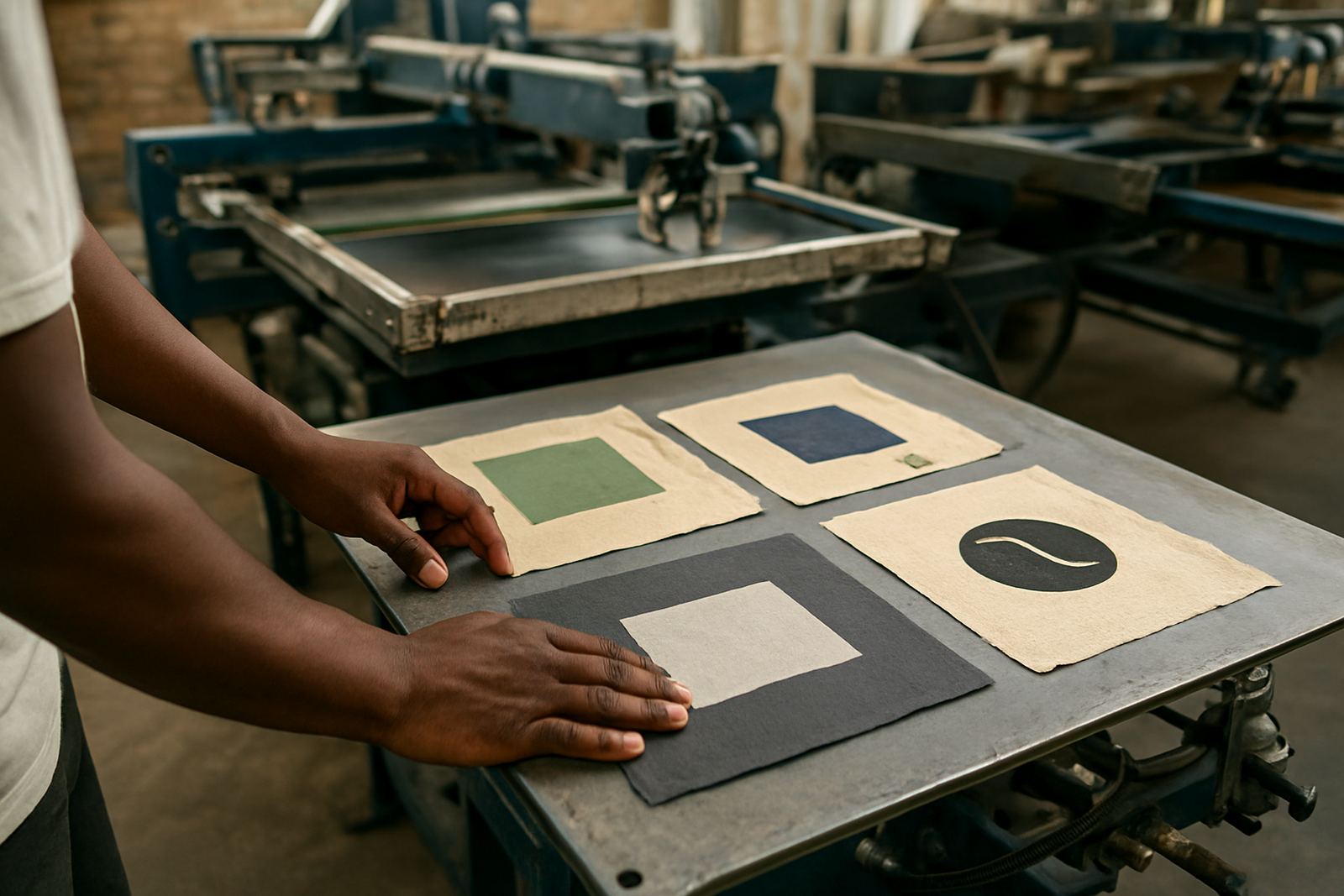
Before production, we look at the artwork, the item colour, the print position, and the quantity. We also consider whether the job needs screen printing or digital printing, depending on the artwork and the volume. If the image needs colour separation, film output, screen stretching, or test printing, that is handled in-house so the job stays under one roof. For larger orders, that gives better control over consistency from the first piece to the last.
We also keep practical things in mind, like stock levels, turnaround time, and whether the delivery needs to go to Umbilo, Durban Central, Berea, Amanzimtoti, Ballito, or further afield by courier. During load-shedding or busy seasonal periods, planning ahead helps avoid delays. If you know the event date, send the enquiry early so the right method and garment type can be matched to the brief.
- Artwork checking and clean-up before print
- Colour separation and film output where needed
- Screen making, stretching, reclaiming, and storage in-house
- Dispatch for local delivery or nationwide courier