
Start with the job, not just the garment
Before you choose a fabric, think about where the item will be worn and how often it will be washed. A one-day school fun run has a different need from a year-round staff uniform, and a cap for a coastal promo drive has a different need from a heavy work shirt. In Durban and the rest of KZN, heat, humidity and salt air also matter, because some fabrics hold moisture, crease more easily, or start looking tired faster than others.
For screen printing and digital printing, the fabric has to do two things well: hold the ink on the surface and stay stable after wash after wash. If the cloth stretches too much, the print can crack or look uneven. If it sheds lint or absorbs ink badly, fine text and bold blocks of colour can lose sharpness.
- Choose print-friendly fabric for the use case, not only for the price.
- Check how the garment feels after a full day in warm weather.
- Ask if the item will be washed often, tumble dried, or stored between events.
- Match the fabric to the print method and the number of colours needed.
Cotton stays a favourite for feel and everyday wear
Cotton is still one of the easiest fabrics to wear and print on. It feels soft, breathes well in warm weather, and works nicely for school shirts, club tees, casual staff wear and supporter clothing. For bold logos and solid spot colours, cotton can give a clean result, especially on mid-weight tees with a smooth knit. It is also comfortable for long days at events, which is important when people are outdoors for hours.
The main trade-off is that pure cotton can shrink if the garment is not pre-treated well, and it may take longer to dry in humid weather. In a Durban winter it is fine, but on a damp coast it can stay wet a bit longer than people expect. If the print is going onto a garment that will be washed often, it helps to use a good-quality cotton with a stable weave and proper curing.
For schools and clubs, cotton is often the safe middle ground. It gives a natural feel, handles strong logos well, and is easy to wear under layer s when the weather turns cool in Pietermaritzburg or the coastal breeze picks up in Ballito.
Polycotton and polyester for hard-working uniforms
When the brief is repeat wear, quicker drying and better shape retention, polycotton and polyester usually come into the conversation. These fabrics are common for uniforms, sports items and promotional wear that need to look neat after many washes. They also suit garments that are worn in heat, packed away, then brought out again for the next event or shift.
Polycotton gives you a balance of comfort and durability. It feels lighter than some heavy cotton shirts and tends to hold its shape better. Polyester is even more stable, dries quickly and resists creasing. For outdoor events, couriered merchandise, and team kits that must stay presentable, that matters a lot.
- Good for staff shirts, sports tops and event wear.
- Less likely to shrink than pure cotton.
- Dries faster after washing, which helps in humid conditions.
- Can hold colour well if the print method suits the fabric.
There is one caution. Some polyester garments need the right ink and correct curing temperatures, otherwise the print can mark the cloth or sit unevenly. That is why artwork checking, test printing and colour separation are not just technical extras, they protect the finished result.
Heavyweight cotton for bold prints that need presence
If you want a garment that feels substantial and shows off a large print with authority, heavyweight cotton is worth considering. It suits branded staff tees, launch merchandise and club gear where the shirt itself forms part of the message. The extra fabric weight gives the print a better base and can make block colours look richer. It also feels more durable in everyday wear.
Heavier fabric is often better for repeated use because it resists twisting and stretching more than lightweight cloth. It is a good option for garments that are packed into kit bags, worn by volunteers, or handed out at events where people may wear them more than once. The downside is simple: it can feel warmer, so it is not always ideal for long outdoor shifts in midsummer.
When choosing heavyweight fabric, look at the finish too. A smoother surface will usually give sharper detail than a rough, uneven knit. If the garment is going to carry fine type, thin lines or more than one colour, a smoother cloth gives the printer a better starting point.
Fabric and print method must work together
Not every fabric takes every print method in the same way. A strong print on the wrong cloth can still end up soft, dull or short-lived. That is why the garment and the artwork need to be planned together, especially when the order includes school clothing, club kits or business promotions with mixed sizes and colours.
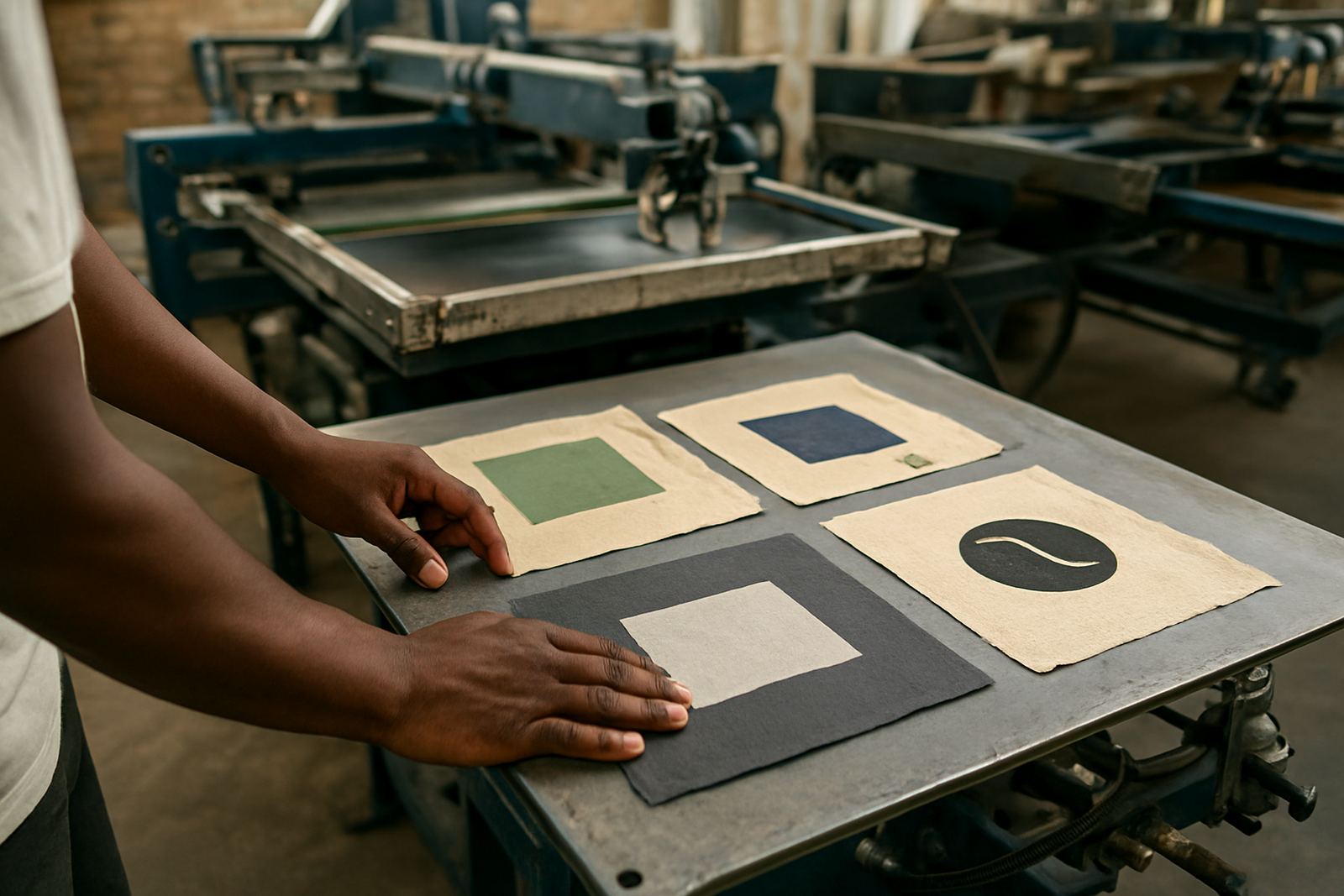
For screen printing, smooth fabrics usually give the sharpest edges and best colour density. For digital printing, the garment needs to be stable and clean so the image sits properly on the surface. If the artwork has several colours, thin outlines or full coverage blocks, the fabric needs to support that level of detail without bleeding or losing definition.
- Smooth fabric helps with fine detail and clean edges.
- Stable knit reduces distortion around collars, sleeves and seams.
- Consistent fabric batches help keep repeat orders looking the same.
- Test prints are useful when the garment mix changes between runs.
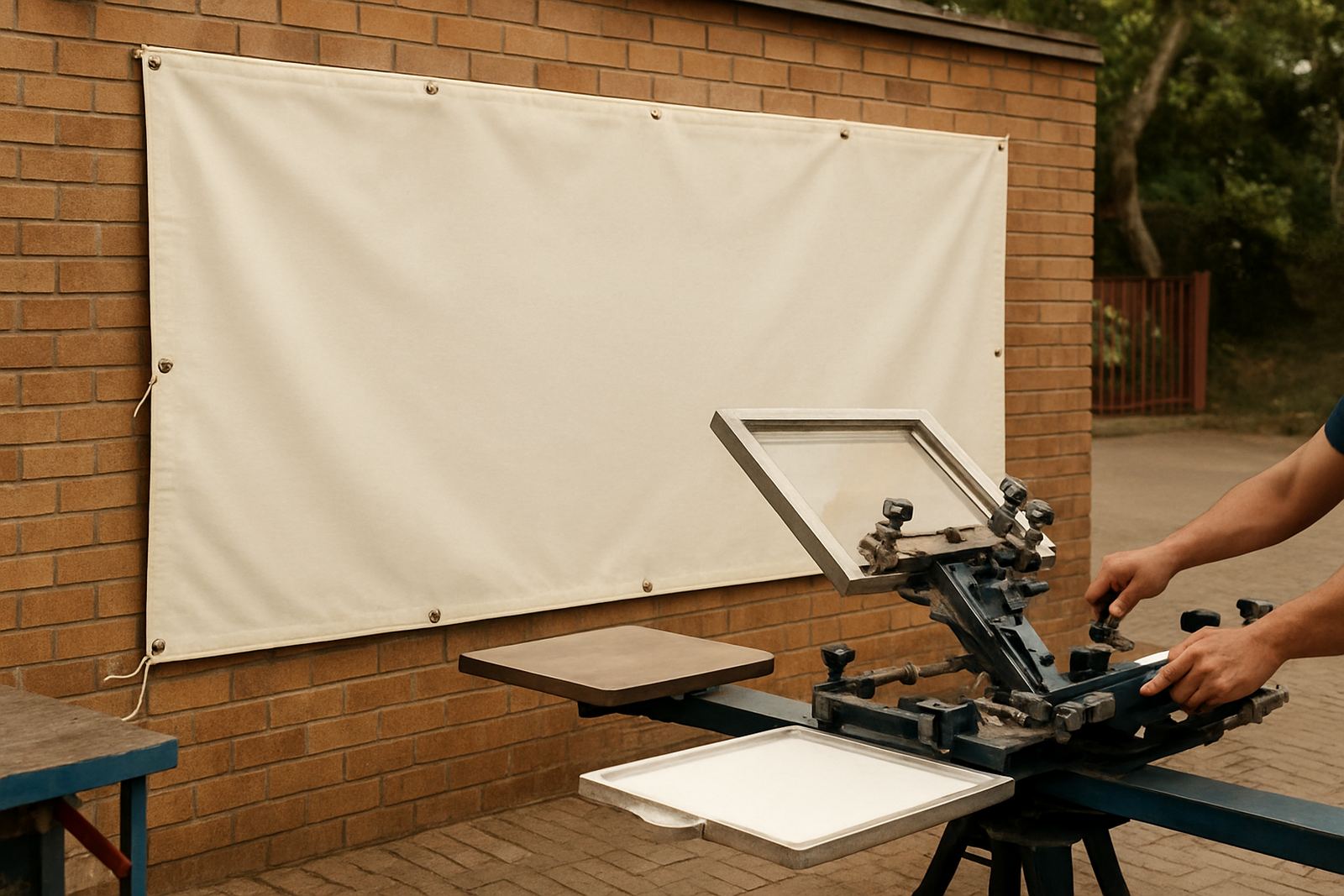
At Screen Spectrum in Umbilo, Durban, this is where in-house stencil and screen making helps keep the process controlled. Artwork checking, vector redrawing, colour separation, film output and screen registration all support the final print, but the garment still has to be suitable for the job. That is often where the biggest savings are made.
Event wear in KZN needs washability and speed
Event clothing has a short lead time and a hard life. It is worn in heat, packed into boxes, couriered across towns, then washed quickly before the next use. For that reason, the best fabrics for event wear are the ones that dry fast, keep their shape and stay readable after handling. In KZN, where school events, church days, club fixtures and business promotions often happen in the same month, a garment that dries overnight can save real time.
A good local example is a school sports day order leaving Umbilo for delivery to Durban Central, then on to Pinetown and Westville for different teams. If the garments are too delicate, the prints may look fine on day one but fade or distort after the first few washes. If the fabric is more stable, the same artwork can keep its shape through the full season. That is why fit, fabric weight and wash care should be discussed before the order is confirmed.
For coastal areas like Amanzimtoti and Ballito, where moisture hangs in the air, quick-dry fabric can be a practical choice. For inland deliveries to Pietermaritzburg, a slightly heavier cloth may feel better for cooler mornings. The right answer is not the same for every area.
Practical shortlist for choosing the right garment
If you are deciding between fabric options for your next print run, use this simple check before you place the order. It will help you avoid common mistakes and make sure the print lasts through the event and beyond.
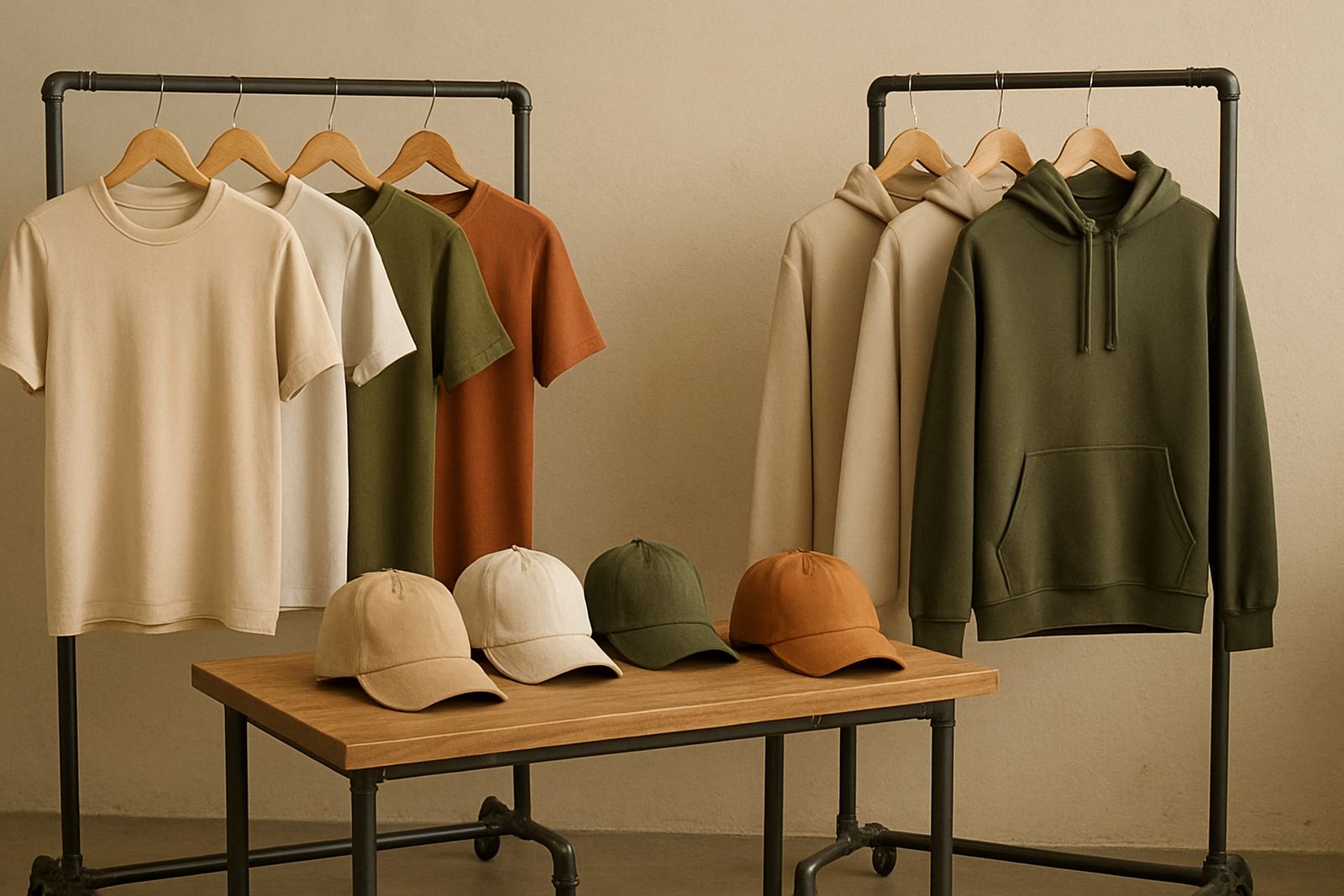
- Cotton: best for comfort, everyday tees and bold prints on a smooth surface.
- Polycotton: best for a balance of comfort, durability and quicker drying.
- Polyester: best for sportswear, fast turnaround items and repeat use.
- Heavyweight cotton: best for premium feel, stronger body and large logo prints.
- Stretch fabrics: useful for activewear, but they need careful print handling.
If your order includes mixed garments, keep the fabric types as close as possible across the run. Mixed fabrics can make colour matching harder and may need different production settings. A simple check at the start saves reprints later, and that matters when the deadline is fixed and the courier leaves the same day.
For businesses, schools and clubs around Durban, the best fabric is the one that suits the print, the wear pattern and the climate. Get those three right, and the garment will do its job long after the first event is over.