
Why seasonal rushes hit Durban printers so hard
Printing work usually comes in waves. At the start of the school year, schools need sports kits, event shirts, house tees and signage. Mid-year it is club tours, gala days and corporate functions. Then from about September through December, the pressure climbs again with matric events, year-end celebrations, prize giving, Christmas markets and staff gifts.
In Umbilo and the wider Durban area, those peaks can line up with load-shedding, coastal humidity and courier cut-off dates. That is why an order that looks simple on paper can still need proper planning. Artwork checking, colour separation and screen exposure all take time, and if a client wants a specific print colour or a front-and-back setup, the timeline needs to be realistic.
For schools and clubs, the busiest months often come with the least margin for delay. A fundraiser tee that arrives after the event is no help at all, so it makes sense to plan printing as early as possible and keep a backup quantity ready for late sign-ups.
The jobs that fill the calendar first
Some products always move to the top of the queue when season changes. T-shirts are the most common, followed by caps, banners, school event signage and sport items. Once a club orders for a tournament or a school orders for a trip, the same design often gets repeated across several garments and sizes. That is where in-house screen making helps because repeat work can be set up properly and kept for the next run.
- School sports days, inter-house events and matric jackets
- Club tours, league fixtures and fundraising drives
- Business year-end gifts, staffwear and promo items
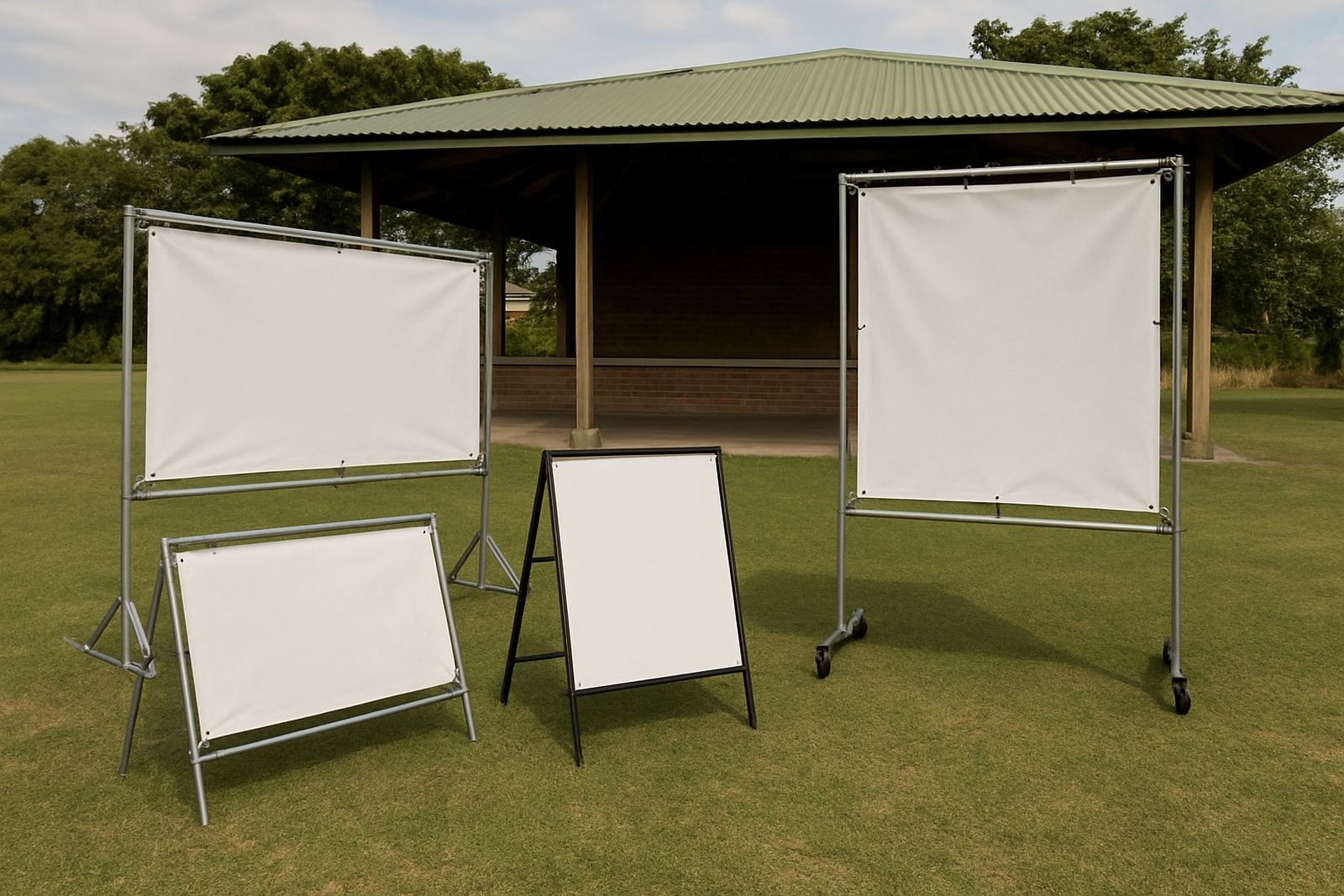
- Market stalls, expo banners and temporary signage
- Community events, church functions and local campaigns
When several of these land in the same week, smaller details matter. A cap print that looks fine in a sample may need adjustment on a curved surface. A banner for outdoor use may need stronger colour contrast to stand out in bright sun. That sort of checking saves reprints later.
How to plan artwork before the rush starts
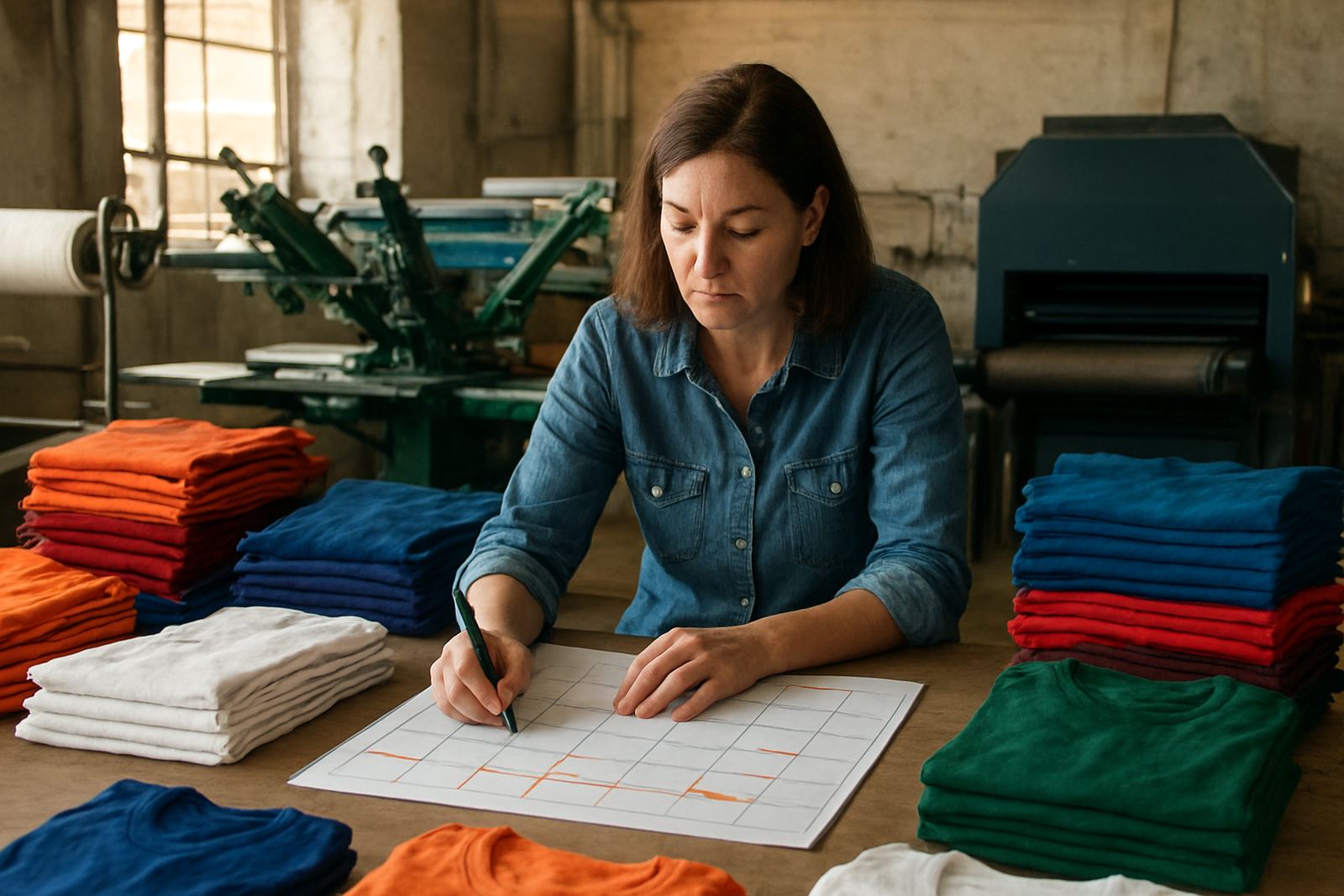
Most delays begin with artwork. A blurry logo, the wrong font or a low-resolution image can slow down the whole job. Before a seasonal run, it is worth sorting the artwork properly and checking if names, numbers and sizes are final. If a school is printing for multiple houses or a club is adding sponsors, those details should be confirmed before the screens are made.
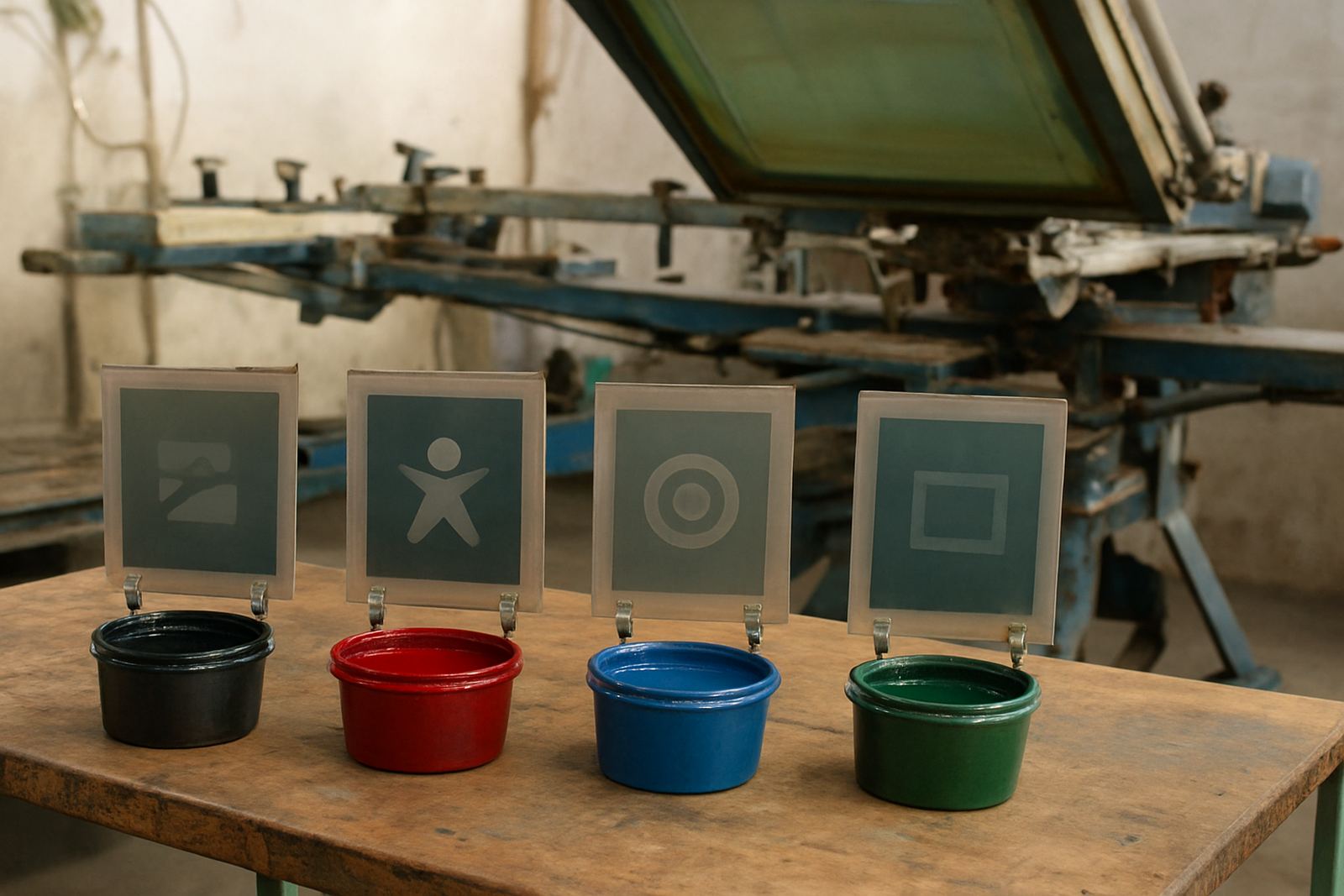
At Screen Spectrum, the process can include vector redrawing, colour separation, film output and test printing, which helps keep the final print clean and consistent. For larger runs, good screen registration and stored screens can make repeat orders quicker. For shorter runs, careful setup still matters because even 20 or 30 items need the same attention if the print has to look neat.
- Send final names, spellings and quantities together
- Use clear logos or source files where possible
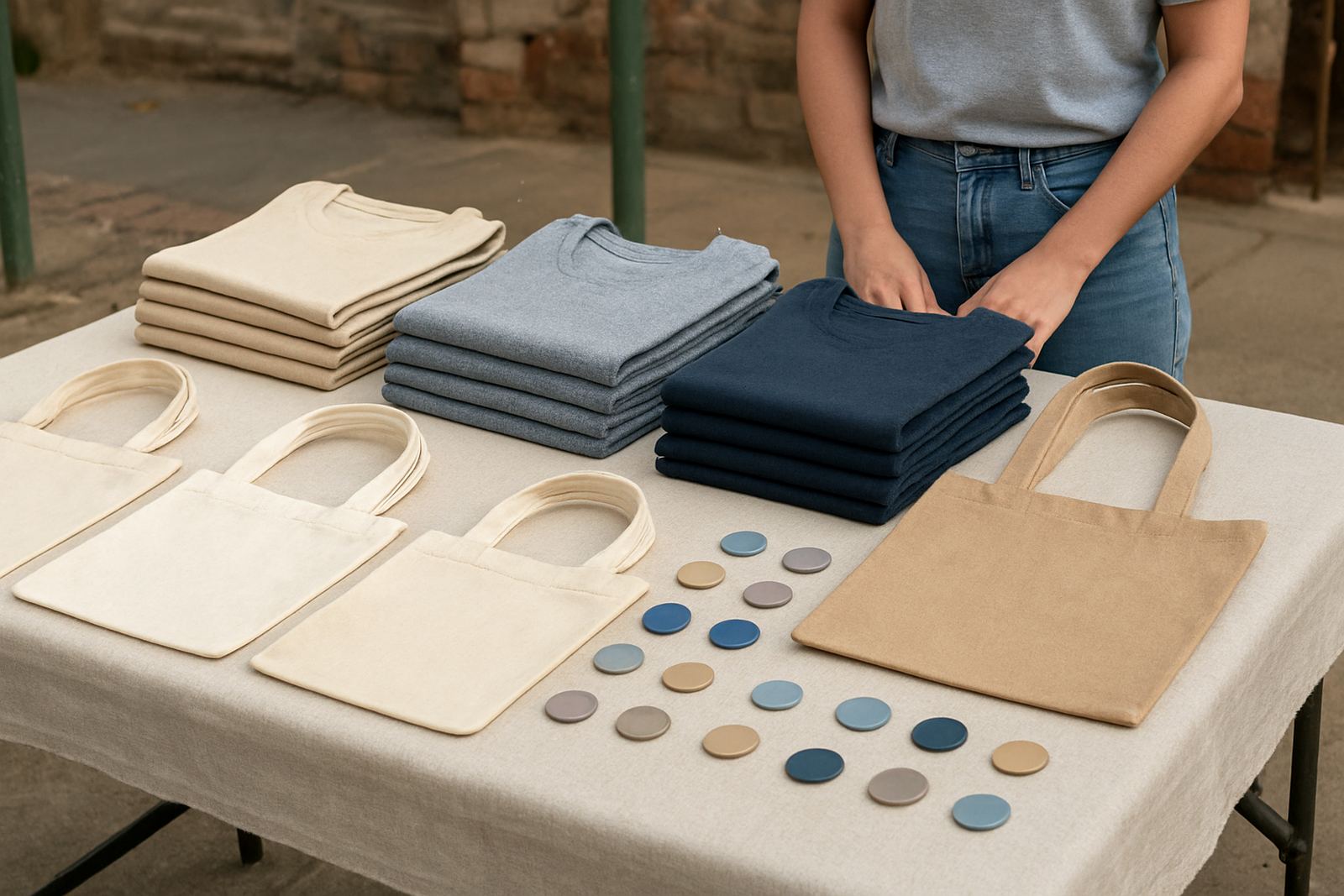
- Confirm garment colours before choosing print colours
- Allow extra time for corrections and approvals
A quick approval now can prevent a scramble later. One missing name or a late colour change can shift the whole order back by a day or two, and in peak season that can be the difference between making the event and missing it.
Local example from Umbilo to Ballito
A Durban school placing a year-end order in November may need shirts for a sports tour, banners for a prize giving and staff apparel for the final week of term. At the same time, a club in Pinetown may be ordering event tees for a December tournament, while a business in Westville wants branded shirts for a promotional day before the holiday break. Those jobs are all local, but they can still land in the same production window.
That is where clear scheduling and courier planning helps. Orders heading to Durban Central, Berea, Amanzimtoti, Ballito or Pietermaritzburg need dispatch sorted early enough to avoid delays. If the prints are for a fixed date, the customer should say so at the start, not after artwork has already gone into production.
For outdoor events near the coast, humidity can affect storage and handling, so finished stock should be packed well and kept dry. For inland deliveries, it is more about allowing courier time and keeping a small buffer in case of traffic or weather. The point is simple: seasonal printing works best when everyone knows the deadline from the start.
What businesses and schools can do to avoid last-minute stress
Good seasonal planning does not need to be complicated. It starts with a list of what is needed, who is approving it, and when it must be in hand. If the print run includes different sizes, names or departments, those details should be grouped early. This avoids repeated changes and keeps production moving.
- Book your order as soon as the event date is known
- Set one person to approve artwork and quantities
- Keep a spare contact for urgent sign-off
- Ask about repeat runs if you may need more later
- Check whether delivery or collection is better for your timing
Schools often find it helpful to order a little more than they think they need, especially for sports teams and club events where late entries are common. Businesses should do the same for branded workwear if they expect new staff, visiting clients or multiple event days. A small overrun is usually easier than trying to match a finished design weeks later.
Why a year-round supplier still matters in peak season
Seasonal demand is not only about making the prints, it is about handling the full job from artwork to dispatch. In-house stencil and screen making gives more control over timing, especially when orders must move quickly. It also helps with reprints, because the setup can be revisited without starting from scratch every time.
For Durban clients, that can mean fewer delays when weather, traffic or load-shedding affect the schedule. It also means one team can keep an eye on artwork checking, screen stretching, emulsion coating, washout and touch-up, screen registration and storage. When those steps are managed properly, the final print is more likely to land on time and look the way it should.
Seasonal work will always be busy, but it does not have to become chaotic. The best results come from early planning, clear artwork and realistic lead times. That applies whether the order is for a small school event or a full end-of-year campaign across KZN.