Start With Where the Banner Will Hang
The first question is not what looks best, it is where the banner will live. A banner for a school hall in Berea has different needs to one on a fence line in Pinetown or a roadside site near the N2. Sun, wind, dust and rain all change how a material behaves, and Durban humidity can also affect drying, curling and storage if a banner is packed away wet.
For outdoor use, think about wind load, mounting points and how often the message will change. A long term sign for a business fence usually needs stronger edging and more attention to grommets. A short promotion for a sports day may only need a few weeks of clean display. If the banner is going near traffic, smaller text and a non reflective finish help keep it readable from a moving car.
- High wind areas call for lighter or perforated material
- Indoor halls and shop fronts can use smoother, heavier faces
- Short term promotions do not need the same lifespan as permanent signage
- Always allow for proper fixing points, not just tape or string
Vinyl Banners for Strong Colour and General Outdoor Use
Vinyl is the common choice for many outdoor banners because it prints well, gives strong colour and handles rain better than paper based options. It suits school events, church functions, business specials and roadside advertising where the message needs to be bold and easy to read. For a clean finish, the artwork should be set up with proper margins so text does not sit too close to the edges after hemming.
Vinyl works well when you want a solid, block style banner for gates, walls and temporary promotions. It is also a practical option for repeat use if the banner is rolled and stored properly between events. If the banner is going to be reused often, ask for reinforced edges and eyelets at sensible spacing, because cheap fixing can tear before the print itself wears out.
- Best for outdoor promotions, school functions and general purpose signage
- Good colour density for logos, slogans and large text
- Can be finished with hems and eyelets for easy hanging
- Needs careful storage so folded creases do not mark the print
Mesh Banners for Windy Sites and Fence Covers
Mesh is the better option where wind is a concern. The small perforations let air pass through, which reduces strain on the banner and the structure holding it. That makes mesh useful for boundary fencing, construction sites, sports fields and roadside areas in open parts of KZN where gusts can pull hard on a solid sheet. If a banner is covering a large fence panel, mesh can also be easier to manage because it catches less wind while still carrying a clear message.
There is a trade off though. Mesh usually gives a slightly softer print appearance than solid vinyl, so it suits larger layouts more than fine detail. Bold lettering, simple logos and high contrast artwork read best. For a fence banner in Umbilo or near a school perimeter, mesh can be a sensible choice when you need visibility but do not want the material flapping itself loose after a few days.
- Best for windy, exposed or long fence runs
- Helps reduce tearing and movement in strong gusts
- Ideal for construction screens, sports grounds and boundary advertising
- Works best with bold artwork rather than very small detail
Fabric Banners for Indoor Presentation and a Cleaner Finish
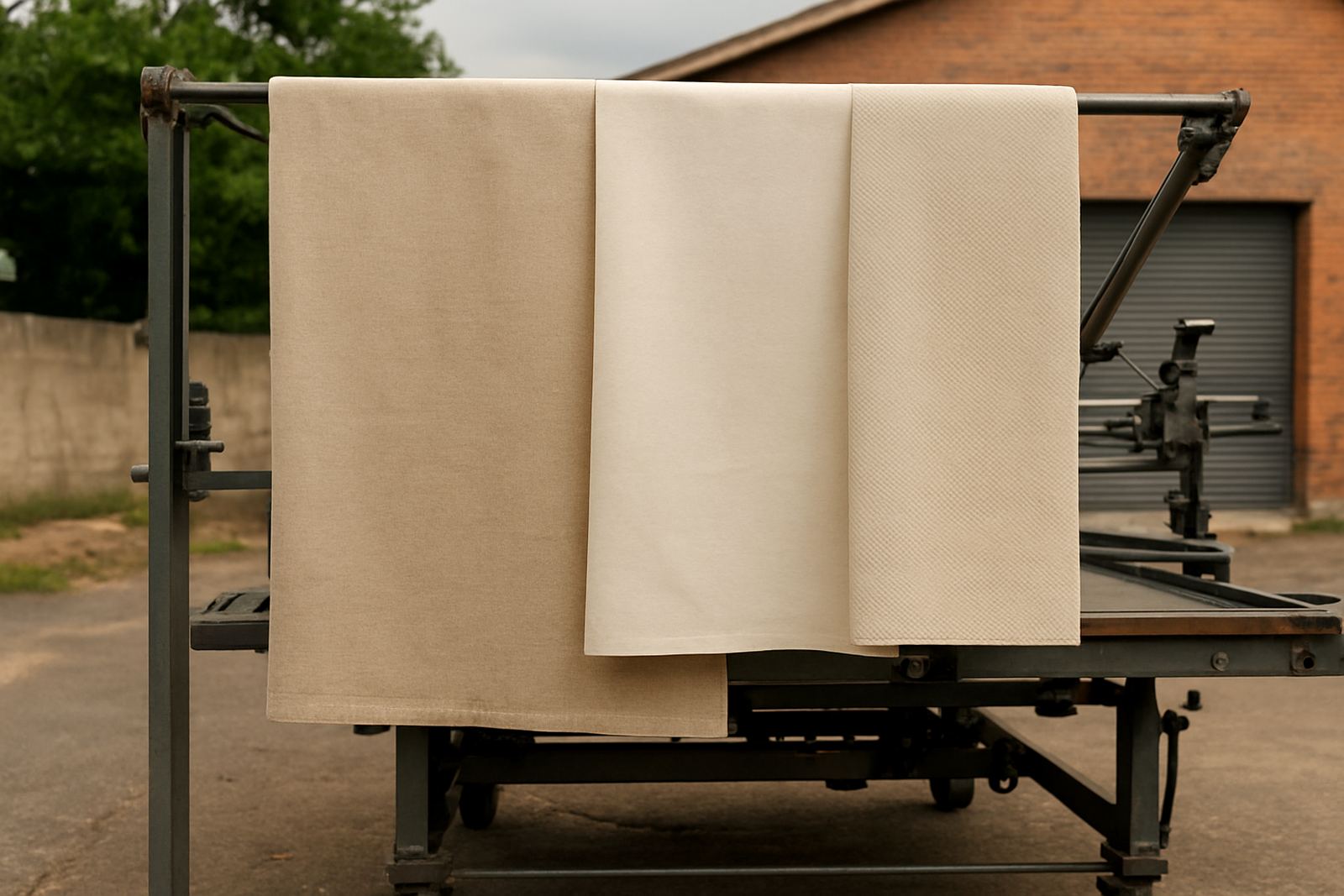
Fabric gives a softer look and is often chosen for indoor events, exhibitions, stage backdrops and retail displays. It hangs neatly, photographs well and has less glare under lights than gloss materials. For schools, clubs and businesses that use banners at award evenings or launch events, fabric can look more polished, especially when the banner is seen up close. It also folds more neatly than heavy plastic materials, which helps if the same banner is carried to different venues.
Fabric is less suited to harsh outdoor conditions unless the application is short term and sheltered. Rain, dust and constant sun can shorten its life. If the banner needs to go outdoors in Durban, ask whether the site is protected by a roofline or used only for a day or two. For indoor use, though, fabric offers a smart option when you want a cleaner presentation and less glare from stage lights or shop lighting.
- Best for indoor events, functions and displays
- Lower glare under artificial lighting
- Folds and stores more neatly for repeated use
- Not the first choice for long outdoor exposure
How Print Method and Artwork Affect the Final Result
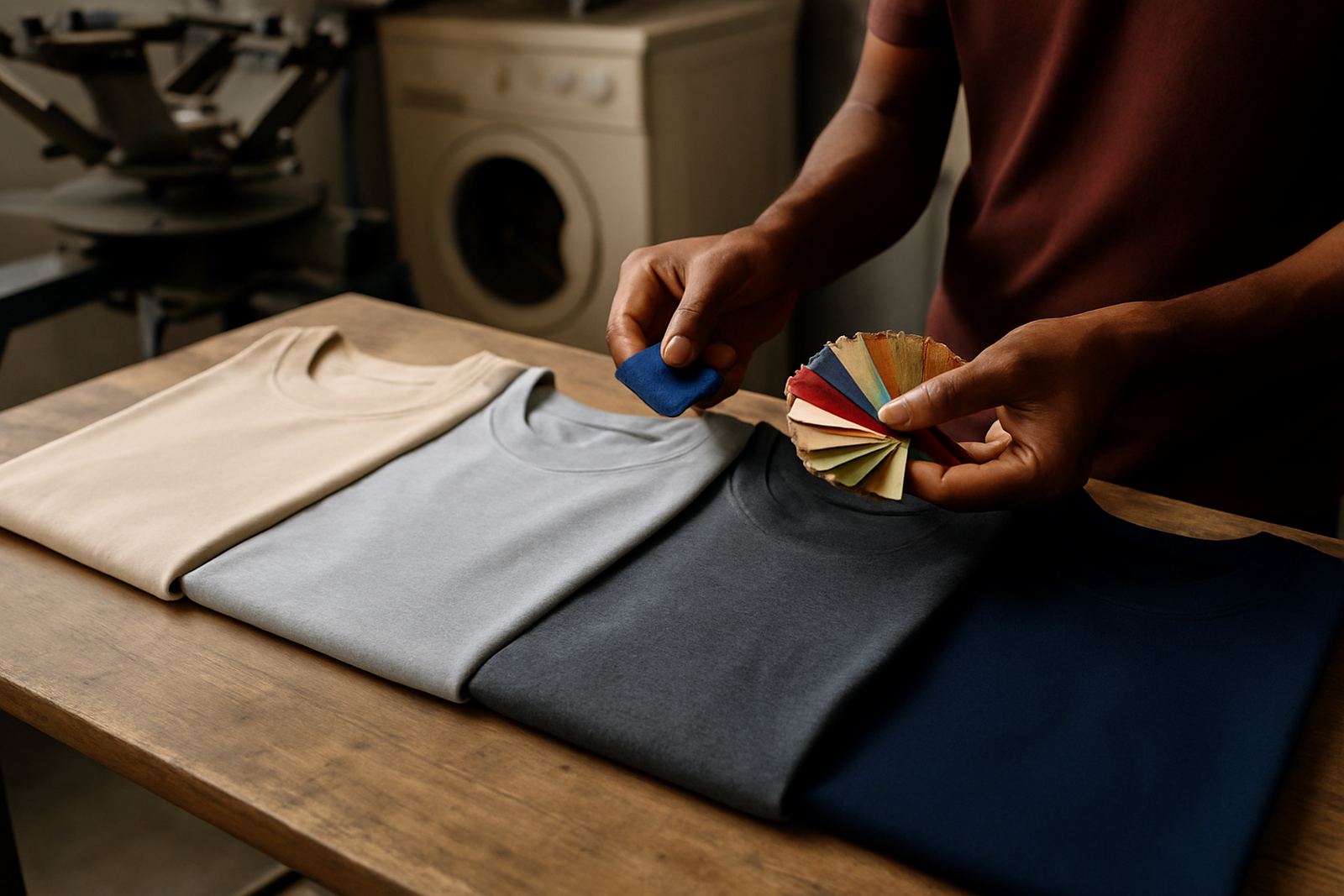
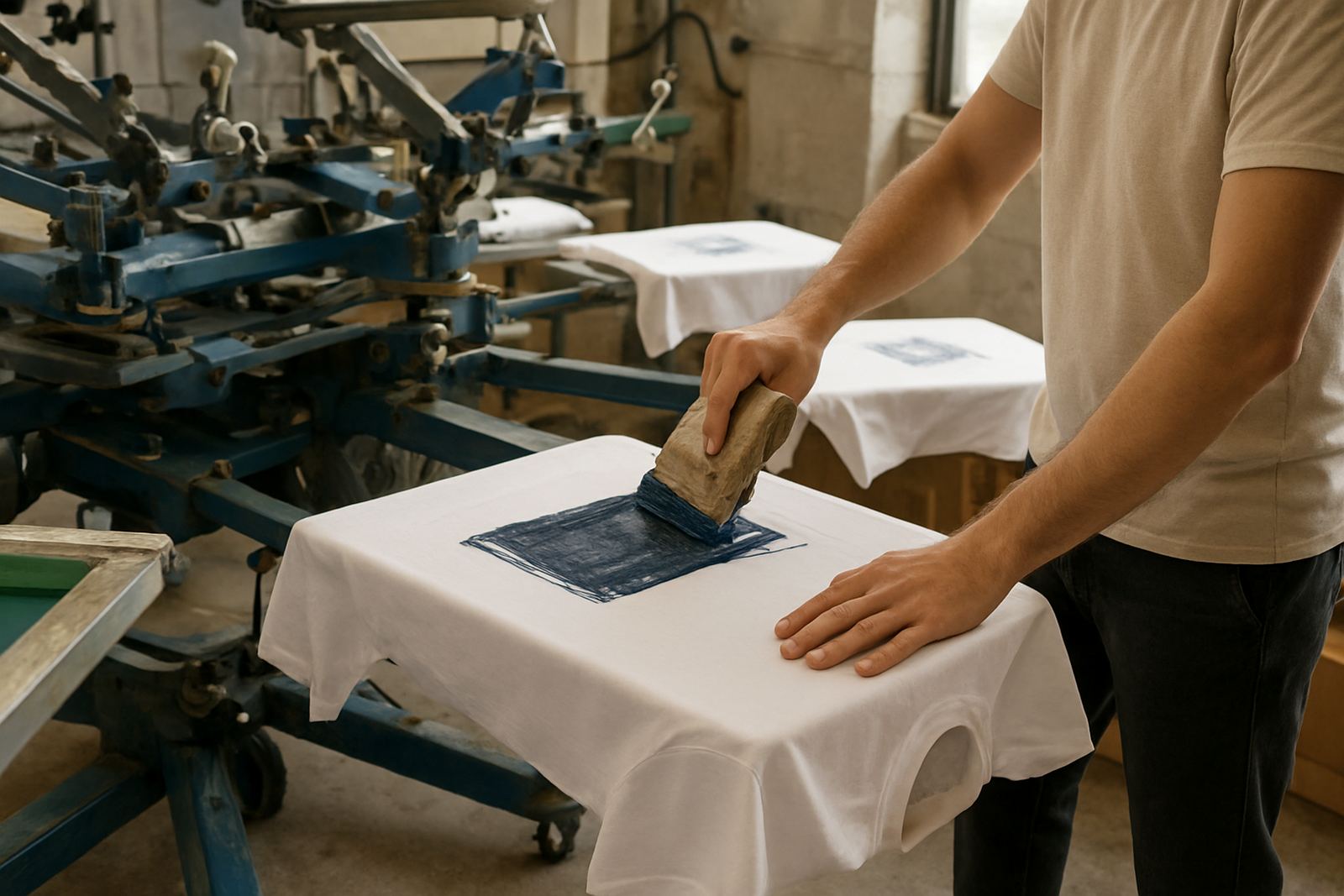
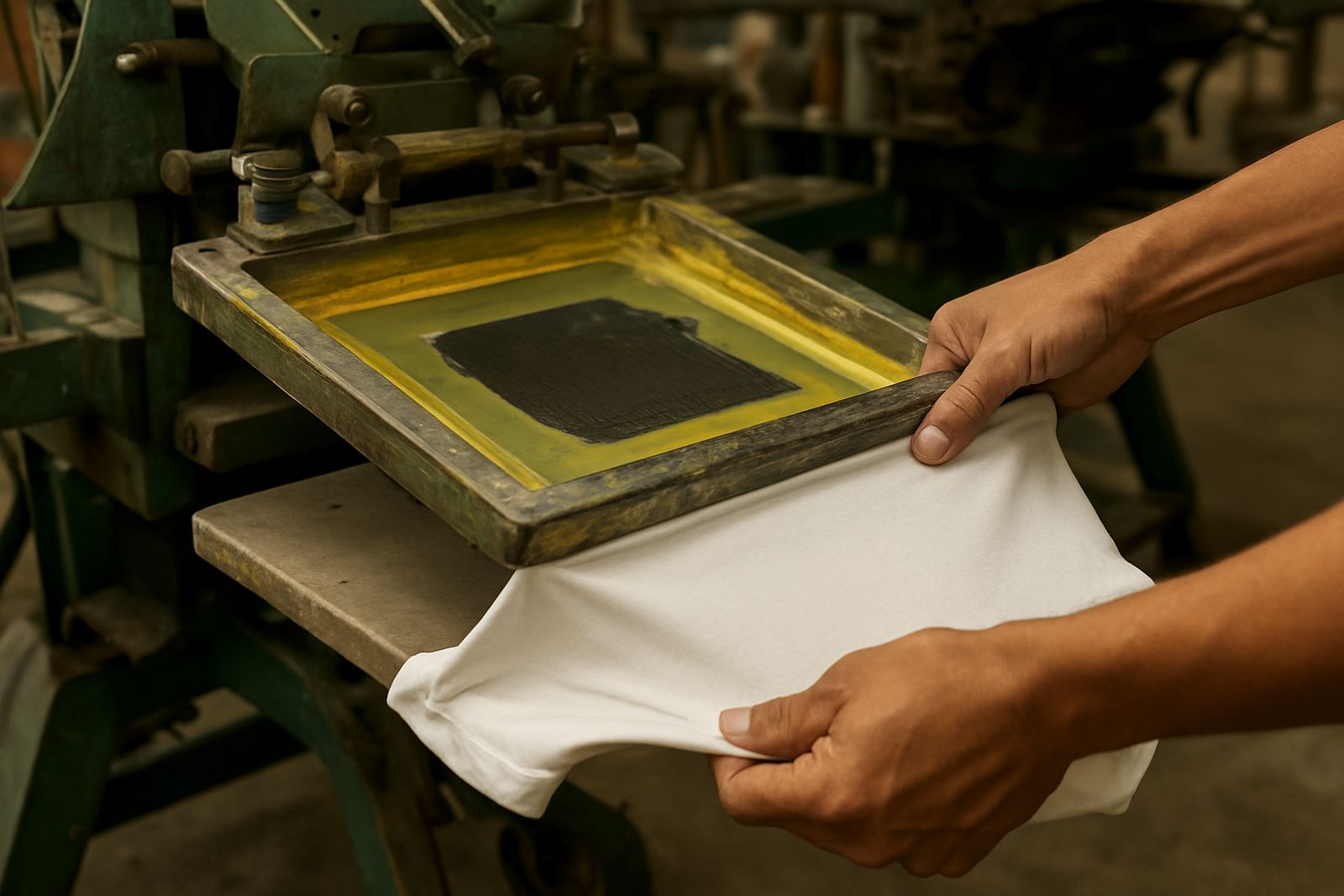
The material is only part of the job. The print method, artwork quality and finishing all shape how the banner performs. A full colour digital print may suit complex images, gradients and photos, while screen printing can be useful for simpler designs in larger quantities. If your banner includes a school crest, club logo or small text, the artwork should be checked carefully so lines stay sharp and colours separate properly. That is especially important when the banner will be read from a distance across a sports field or along a busy road.
Good banner work also depends on practical finishing. Eyelet spacing, hem width and edge reinforcement all matter once the banner is on site. In our Umbilo production line, we check the file, prepare the output and make sure the finished item is ready for hanging, not just printed and sent out. Small details here save time later, and they stop the banner from looking off centre or weak at the corners.
- Artwork should be checked before print to avoid stretching or blurry text
- Vector redrawing helps when logos are old or low quality
- Colour separation matters for screen printed runs
- Finishing should match the banner size and fixing method
A Durban School Event Example: Choosing for Weather and Distance
Take a school sports day in Durban as an example. The welcome banner at the entrance may be best in vinyl because it needs strong colour and clear lettering. A long fence banner along the outer edge of the field may be better in mesh if the site is exposed to sea breeze. Inside the hall, a fabric banner behind the podium can give a tidier look for speeches and prize giving. One event can need three materials, and that is normal rather than over complicated.
For KZN schools and clubs, the practical question is often budget versus durability. A banner for one weekend should not be built like a sign meant to stay up for months. At the same time, if the same club banner gets reused at matches in Pietermaritzburg, Ballito and Westville, it is worth paying for stronger finishing and safer storage. That way it stays usable, and not frayed by the second outing.
If you are unsure, start by telling us where the banner will hang, how long it must last and whether it will face wind or indoor lighting. From there, the material choice becomes much easier, and you avoid paying for the wrong finish for the job. It saves money and it saves a lot of hassle later.
Choosing the Right Banner for the Job
There is no single best banner material for every setting. Vinyl is the reliable all round choice, mesh is the practical answer for exposed areas and fabric suits cleaner indoor presentation. The best option depends on weather, viewing distance, installation and how often you need to use the banner again. In Durban’s coastal conditions, that choice matters more than people sometimes think.
When you need a banner for a school, club, business or event, choose the material that matches the site first and the price second. A cheaper sheet that fails early is not good value, especially if it tears in wind or curls in humidity. Get the right fit upfront and the banner will do its job properly.