
Why prints crack in the first place
A cracked print is usually the result of stress. That stress can come from a stiff ink film on a stretchy garment, poor curing, too much heat in the wash, or repeat rubbing against bags, belts and workwear straps. In Durban’s humidity, garments can also hold moisture for longer, so a print that was not fully cured can keep changing after it leaves the press.
Some cracking is simply wear and tear on a garment that gets washed hard every week. But in many cases, the problem starts with the wrong fabric choice or a print that was not matched properly to the use of the item. A school shirt worn every day needs a different approach from a promo tee worn twice a month.
Choose the right garment before printing starts
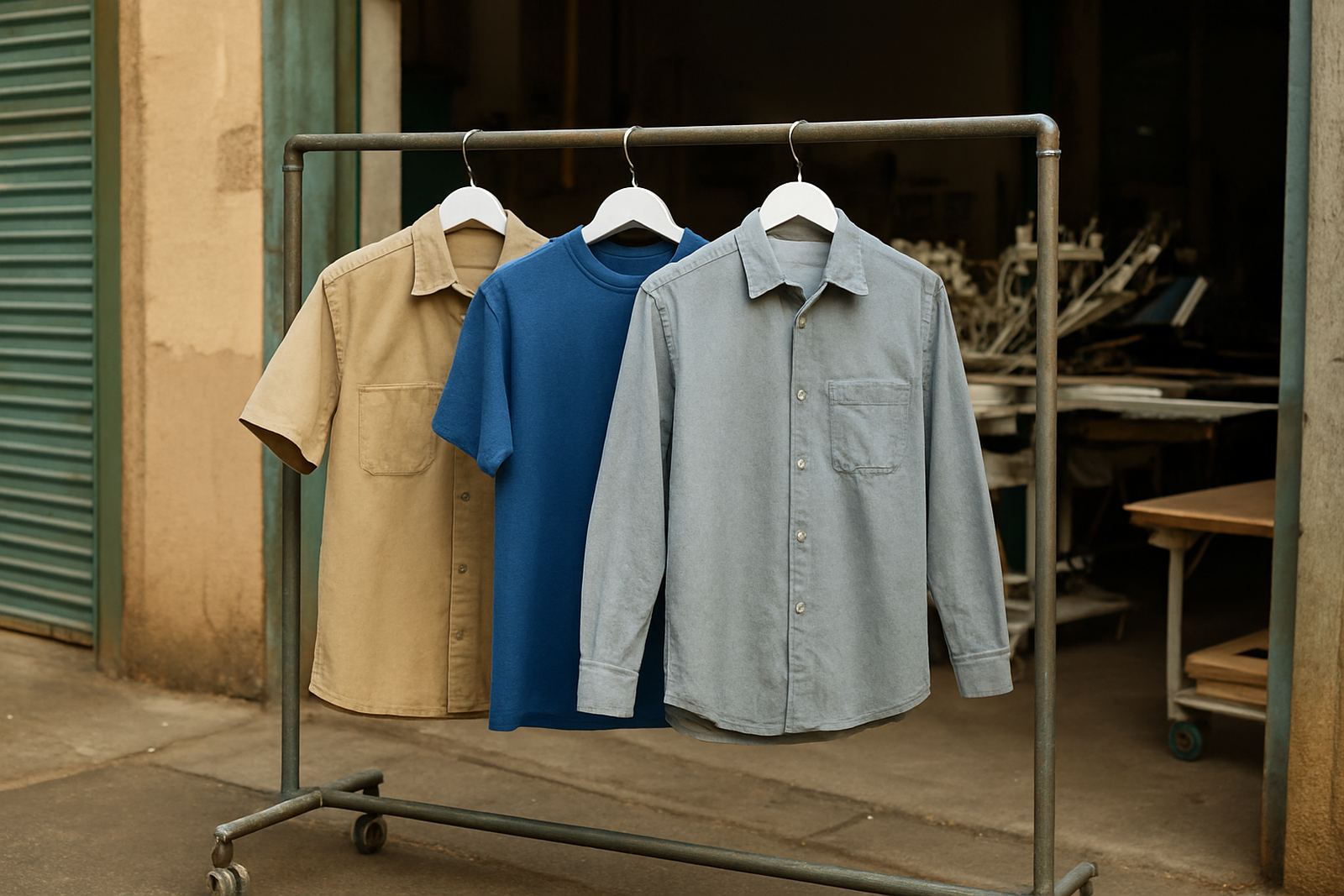
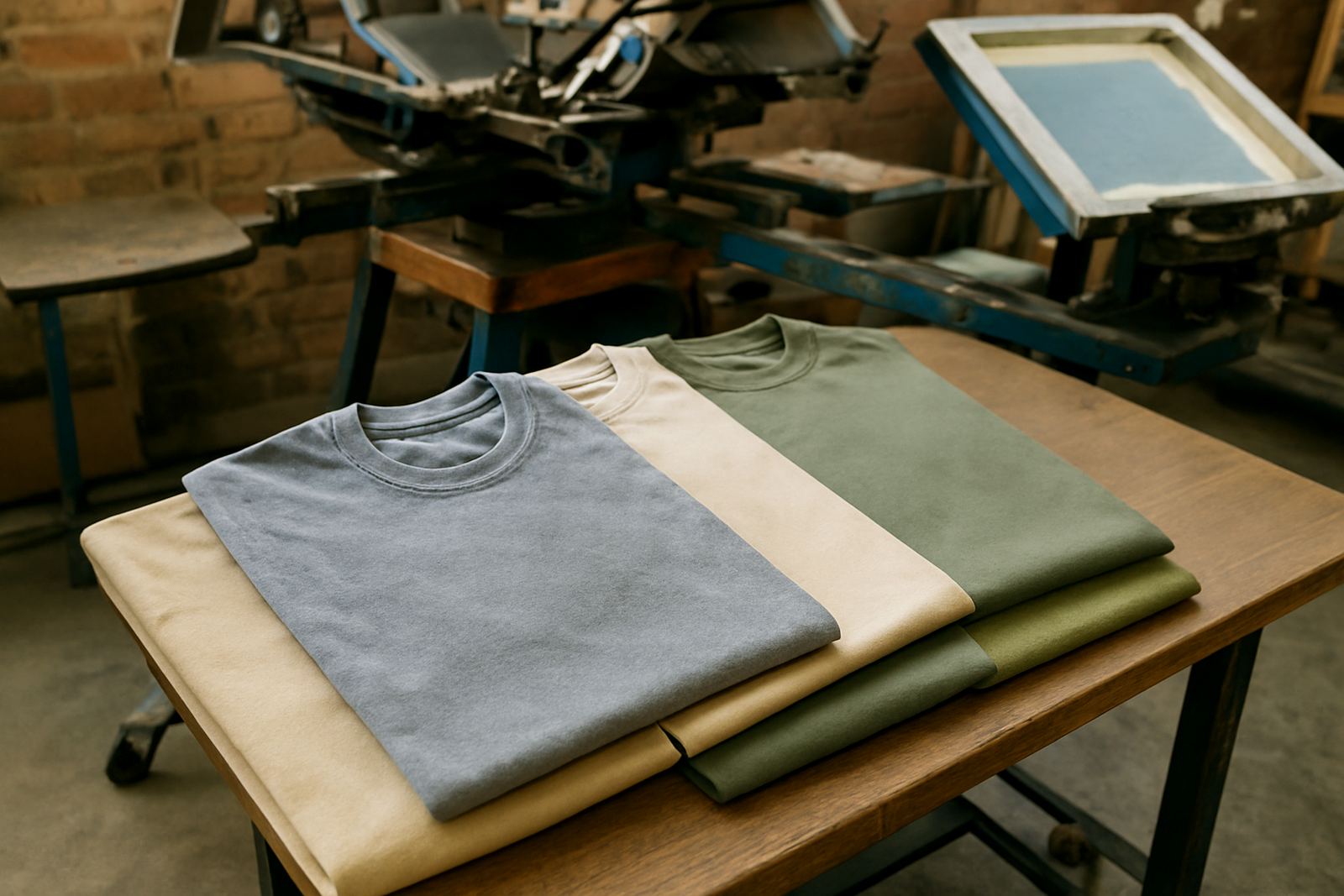
Not all fabrics behave the same way. Cotton is usually the easiest to print and it handles many methods well, while polyester and blends need more care because they can shrink, react to heat or trap moisture. If the garment will be stretched often, like sportswear or fitted fashion tees, the print has to move with it.
- Use heavier cotton for workwear and regular wash cycles.
- Check the fibre mix before choosing a print method.
- Avoid very thin fabric if the item must take hard wear.
- For caps and heavier items, make sure the material can take the curing process.
For KZN schools and clubs, we often see the best results when the garment is selected with the use in mind first, not just the colour and price. A cheaper shirt may save a few Rand up front but crack much sooner if it is washed rough or worn daily.
Ink deposit and print method matter
The amount of ink laid down on a garment changes how it ages. A print that is too thick can sit on top of the fabric and crack sooner when the shirt bends. A print that is too light may look fine on day one but lose coverage quickly after washing. The aim is to find the right balance for the artwork, fabric and final use.
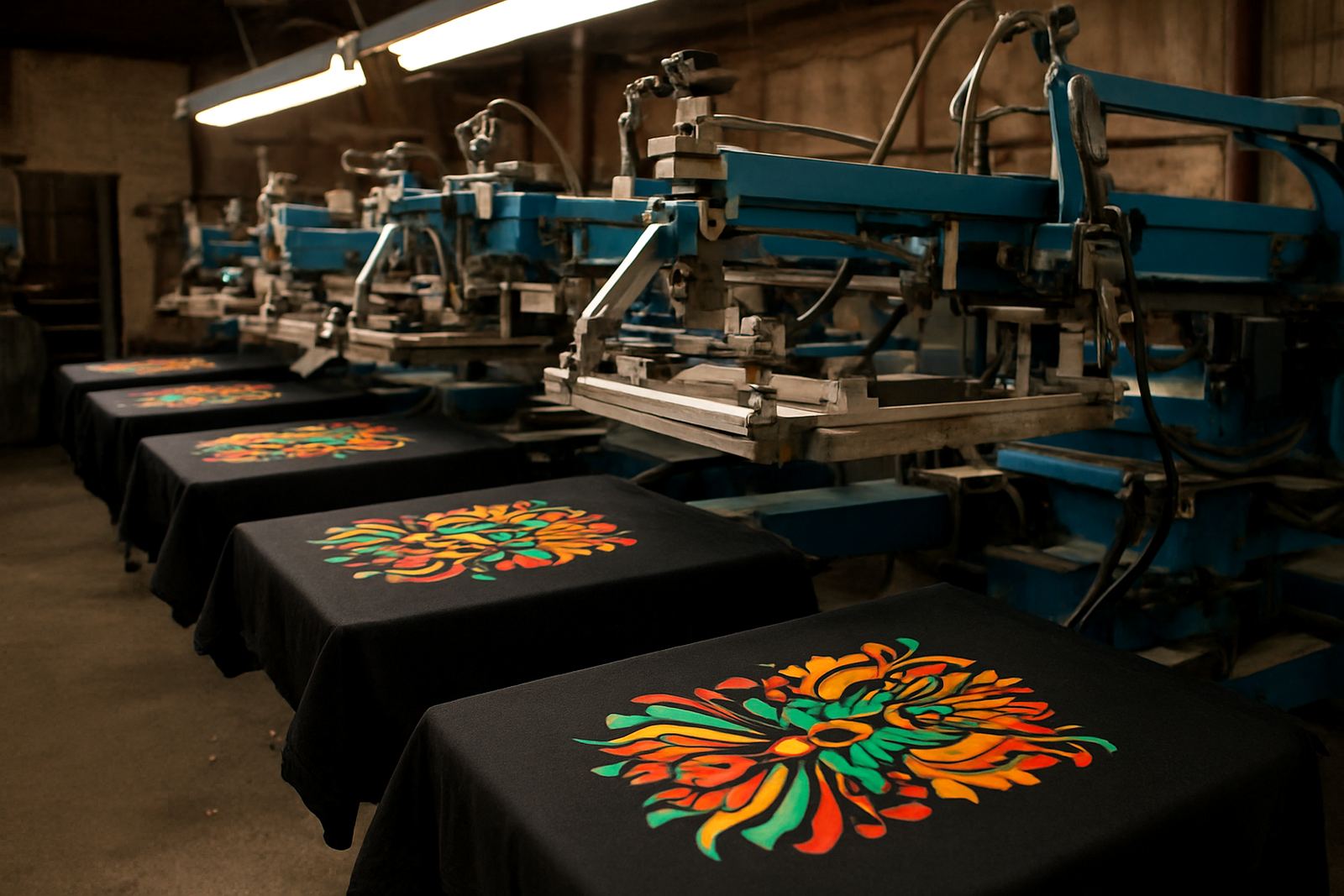
Screen printing is often a strong option for simple logos, school names and bold graphics because it gives consistent coverage. Digital methods are useful for detailed artwork and colour range, but they still need the right garment and curing. Our in-house stencil and screen making helps us control the setup from the start, which is important whether the run is 20 shirts or 2 000.
- Bold logos usually last better with a clean, controlled print layer.
- Fine detail needs accurate artwork and colour separation.
- Small runs and large runs both need proper test printing before full production.
Curing is where many cracking problems begin
Curing is the stage where the print is set so it bonds properly. If the heat is too low, the ink can stay soft and weak. If it is too high, the print can become brittle or the fabric can be damaged. This is especially important in Durban where heat, moisture and transport conditions can affect the garment after printing.
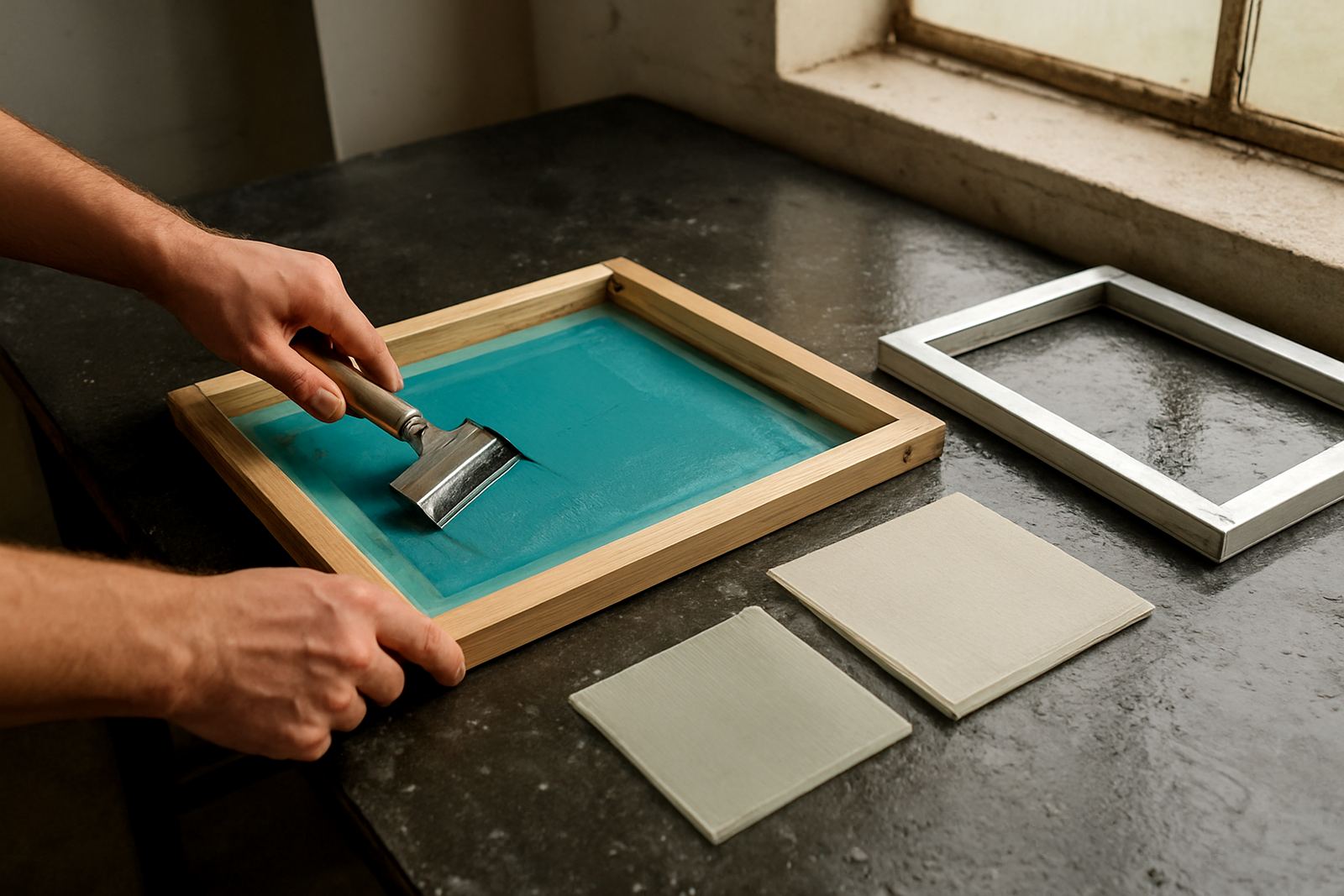
Good curing depends on the full process, not just the machine setting. Screen registration, film output, emulsion coating and washout all contribute to a clean print that cures evenly. If the print is uneven from the start, parts of it may crack sooner than others.
- Correct temperature helps the print bond without becoming stiff.
- Even pressure and curing time help avoid weak spots.
- Test printing is useful before a full batch, especially on mixed fabrics.
- Freshly printed garments should be handled carefully before packing.
How wash care affects print life
Even a well printed shirt can crack early if it is washed badly. Hot water, harsh detergents and tumble drying can break down the print layer over time. Turning garments inside out before washing reduces friction, and mild detergent helps keep the print looking cleaner for longer.
For clubs and businesses in Pietermaritzburg, Pinetown and Westville, we often advise that uniforms be washed with the print protected as much as possible. If the garment is used for hard labour or outdoor work, the wash routine matters just as much as the print method. A shirt that is washed with towels, jeans and heavy items will wear much faster.
- Wash in cool or lukewarm water.
- Do not iron directly on the print.
- Hang dry when possible instead of using high tumble heat.
- Keep bleach and strong stain removers away from printed areas.
Local conditions in Durban and KZN change the job
Humidity, sea air and frequent transport between areas like Umbilo, Durban Central and Ballito can affect how garments behave before and after printing. Coastal moisture can make drying slower and packed garments can hold dampness, which is why storage and dispatch should be handled carefully. In summer, a print that sits too long in a hot vehicle can also age faster.
We handle deliveries into Amanzimtoti, Berea, Pinetown, Westville and beyond, so we know the mix of school wear, club kits and business shirts that have to last through local conditions. A good example is a Pietermaritzburg school order where the shirts are washed weekly and worn hard during sport and class. In that case, we would look closely at fabric choice, print placement and curing before production starts.
Screen storage and frame reclaiming also help keep the process consistent from run to run. When the setup is clean and repeatable, the print is more likely to stay even and less likely to crack in patches.
What to ask before placing an order
If you want prints that last, ask practical questions before the run begins. The right answers will depend on the garment, the artwork and the way the item will be worn. A supplier should be able to explain the process clearly and check the artwork before printing.
- Which fabric is best for the garment I am using?
- Will the print be suited to daily washing or light wear?
- Has the artwork been checked and separated properly?
- Will a test print be done before the full order?
- How should the garments be washed after delivery?
At Screen Spectrum in Umbilo, we work through artwork checking, vector redrawing, colour separation, film output, screen stretching, emulsion coating, screen exposure, washout and touch-up, screen registration, test printing and dispatch. That full process helps keep the print steady from the first shirt to the last one, whether it is for a school, club or business order.