
Start with the job, not just the logo
Before any print is planned, it helps to ask what the uniform must actually do. A receptionist, a warehouse picker, a school events team member and a retail floor assistant all need different garments, and the print should suit that use. For staff uniforms, the garment and the branding should work together, not fight each other.
For daily wear, the main points are comfort, washability and how often the garment will be exposed to movement, sweat and friction. In Durban and the rest of KZN, humidity can make heavier fabrics feel uncomfortable, especially for crews working outdoors or moving between aircon and heat all day. If the uniform is too thick, staff stop wearing it properly. If it is too light, the print can show wear too quickly.
At Screen Spectrum in Umbilo, we often advise businesses to think first about function. A simple chest logo, sleeve mark or back print can be more practical than a large full front design. It keeps the garment easy to wear and easier to replace later when you need extra stock for new staff.
Choose print placement that stays clean and readable
Uniform branding should be easy to read at a glance. In most cases, that means keeping the layout simple. A left chest logo works well for offices, schools, clubs and service teams because it is visible without taking over the garment. A larger back print can suit security, delivery or event crews where visibility matters from a distance.
- Left chest placement for a neat, professional look
- Back print for visibility on-site, in stores or at events
- Sleeve print for small role marks or department identification
- Small name or team mark for front-of-house staff
Too much print can make a shirt stiff, especially if the garment is worn long shifts. It can also crack or fade sooner if the uniform is washed every week. Simple branding usually lasts better and looks more considered. For KZN schools, clubs and businesses, that matters because the same uniform often has to move from classroom use to sports days, fundraising events and after-hours functions without looking tired.
Repeat washing is where the real test begins
A sample can look excellent on day one, but staff uniforms are judged over months, not hours. Repeated washing, tumble drying and rough handling in laundry bags are what expose weak printing choices. If the wrong ink or finish is used, colours can dull quickly and edges can lift or crack.
Businesses that issue uniforms in batches should think about wash cycles from the start. A garments order for a restaurant in Durban Central or a maintenance team in Pinetown may be washed several times a week. That means the print must be made for regular laundering, not just presentation wear. It also helps to keep the artwork clean and uncomplicated, because very fine detail can blur after repeated use.
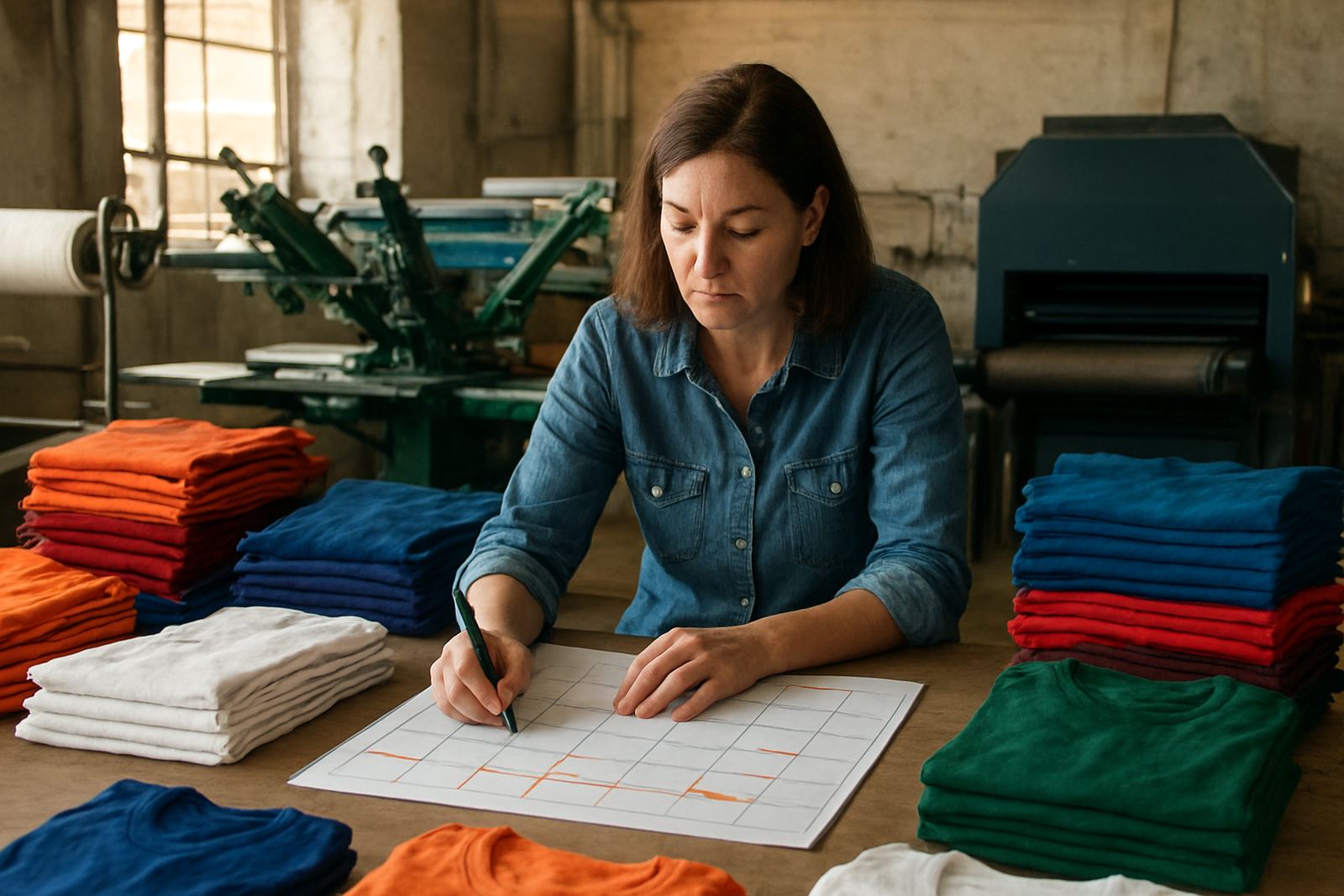
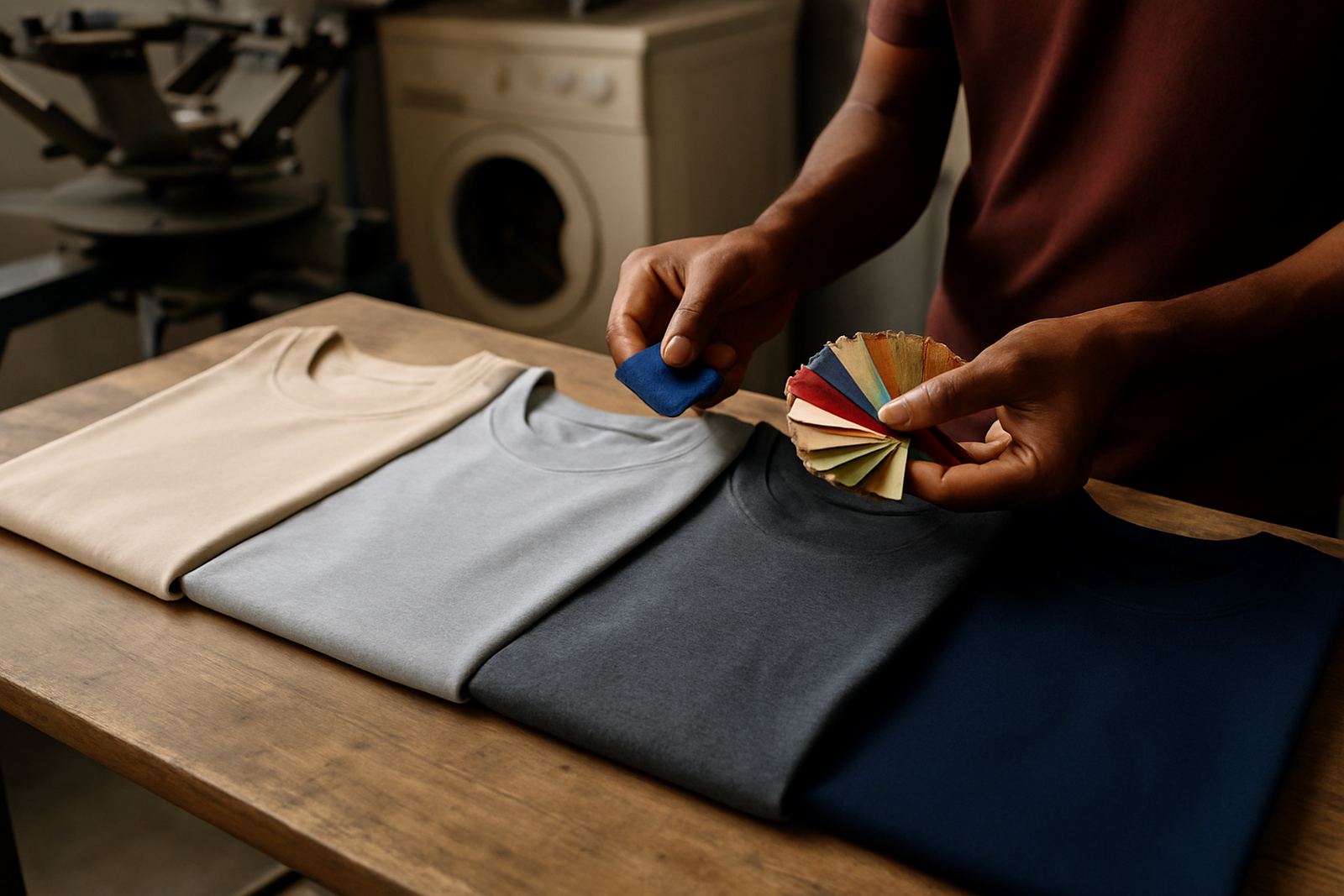
We usually recommend checking the fabric, the colour of the garment and where the print will sit on the body. Dark shirts need different handling from light ones, and some materials need extra care during film output, screen exposure and test printing to make sure the finish stays even. When the uniform is sorted properly at the start, the end result is easier to maintain and easier to reorder later.
Durban conditions affect how uniforms wear
Durban businesses deal with a mix of coastal humidity, strong sun and load-shedding interruptions that can affect planning and stock control. If a team has to wear uniforms outdoors, moisture and heat can speed up wear around the collar, shoulders and underarms. That is why garment choice and print position matter just as much as the artwork itself.
Some workplaces also need uniforms that still look tidy after a day in a van, on a school field or behind a counter with constant movement. In those settings, clear placement is better than heavy decoration. A direct, professional mark on the shirt or cap helps staff look uniform without making the garment uncomfortable. It also keeps the branding consistent across different sizes, which is important when new staff join at short notice.
For businesses serving schools, clubs and delivery teams around Umbilo, Berea, Westville, Amanzimtoti, Ballito and Pietermaritzburg, it is wise to keep a small stock reserve. That way you are not caught short when there is a rush order or a new intake. With courier delivery nationwide, it is also easier to keep branches or remote teams supplied without waiting for every item to be collected in person.
What happens behind a proper uniform print job
Good staff uniform printing is not only about the final press. It starts with artwork checking, then moves through vector redrawing if needed, colour separation and film output. From there, screens are prepared with screen stretching, emulsion coating, screen exposure, washout and touch-up, followed by screen registration and test printing. That process helps keep colours consistent from the first garment to the last.
For larger runs, screen printing is often the better choice because it gives strong coverage and can be more cost-effective on repeat orders. For smaller or more detailed jobs, digital printing may suit the brief better. The right method depends on the fabric, the quantity and how the garment will be used. In-house screen making also helps when there is a quick turnaround or a reprint of an existing uniform design.
We also keep finished screens in storage for repeat orders where possible. That makes it easier for businesses to top up uniforms during the year, especially when there are new hires, lost garments or additional teams for events and promotions.
A practical example from a Durban school order
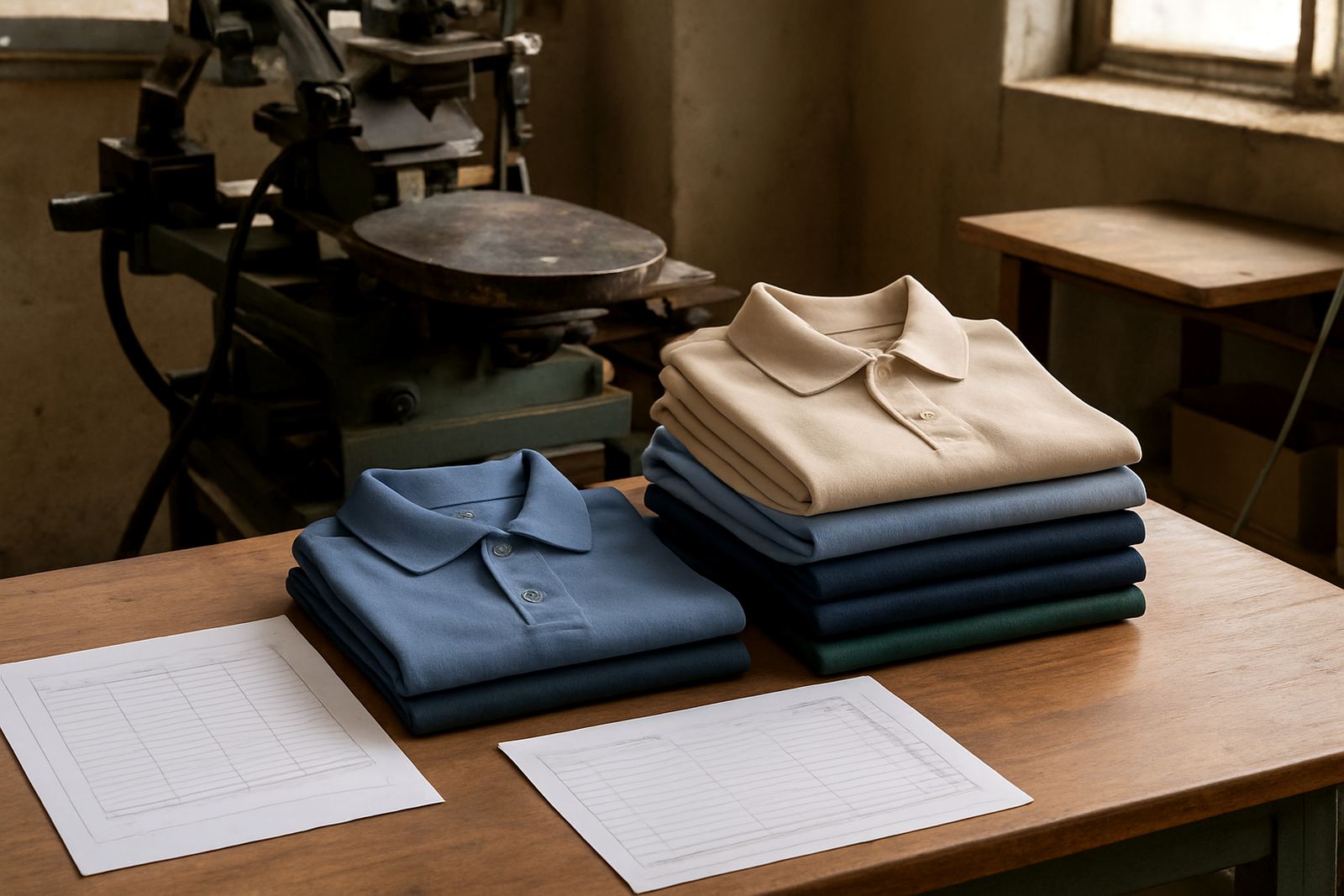
A school in the greater Durban area may need staff polos for admin, sports assistants and grounds staff, all with slightly different functions but one consistent identity. The admin team might want a small left chest logo, while the grounds team may need a more visible back print for events and outdoor duties. The sports staff might ask for a lighter garment that still handles weekly washing and sun exposure.
That kind of order works best when the branding is planned around the day-to-day reality of each role. It keeps the look professional and avoids unnecessary print area on garments that are worn all day. It also makes it easier to replace one category later without changing the whole uniform set.
- Keep the logo placement consistent across all roles
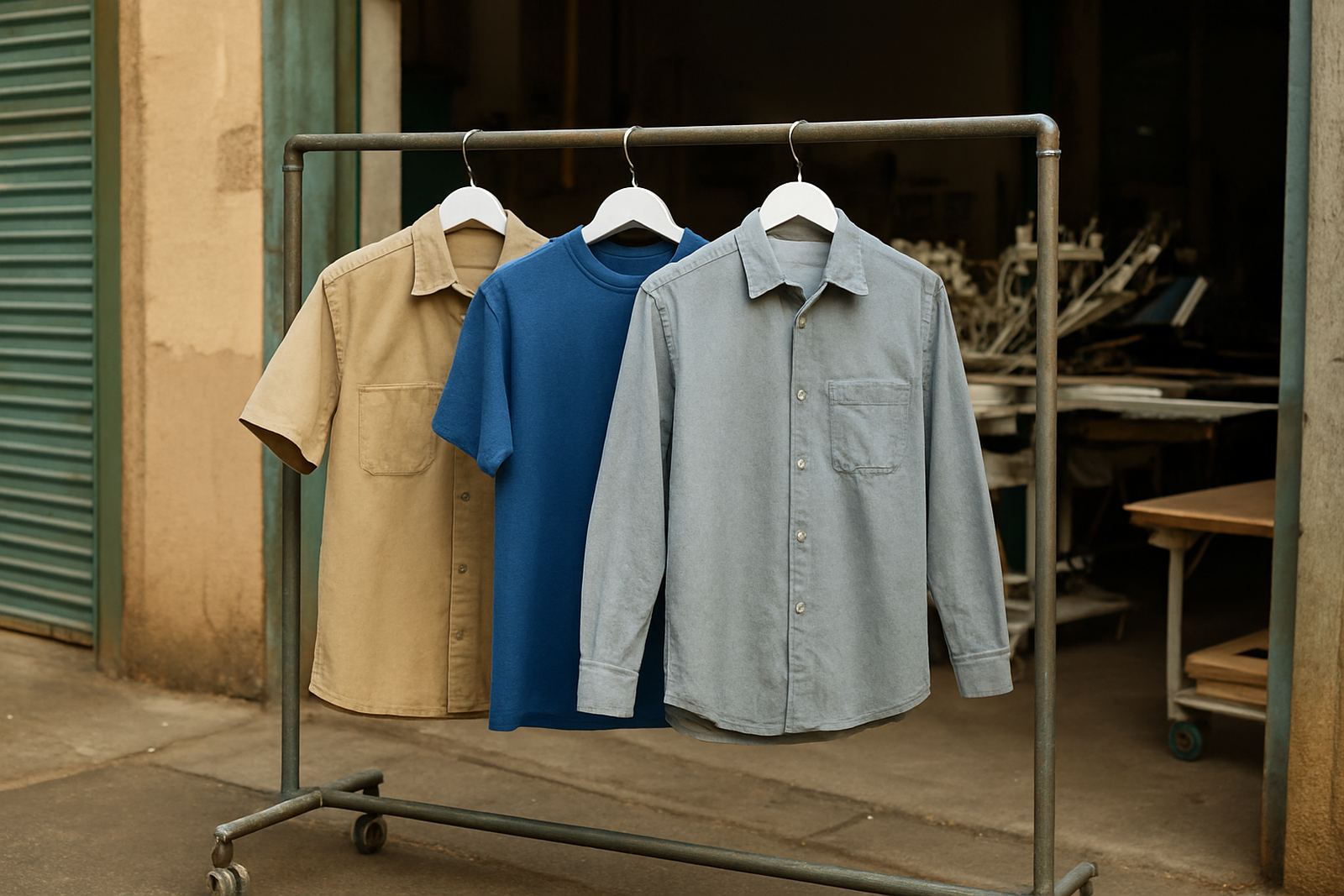
- Adjust garment type for the work being done
- Use simple colours that still stand out on fabric
- Allow for repeat orders when staff numbers change
For many KZN businesses, that is the difference between a uniform that looks good in the first week and one that still presents well after term end, year end and the next round of wear and washing.
Ordering uniforms with a long view
When staff uniforms are printed properly, they become part of daily operations rather than a once-off expense. The best results usually come from keeping the design clean, the placement sensible and the fabric suited to the work. A uniform should help staff look aligned, not force them to manage uncomfortable or hard-wearing clothing all day.
At Screen Spectrum in Umbilo, Durban, we work with businesses, schools and clubs that need printed uniforms that can take normal use and still look presentable. If you are planning a new set of shirts, caps or workwear, start with how the garment will be used, how often it will be washed and where the branding needs to sit. That small amount of planning saves a lot of hassle later, especially when stock needs to be repeated or delivered to multiple areas.