
What Screen Exposure Does for Your Print Run
Screen exposure hardens the emulsion on the parts of the screen that must hold ink back, while the image area remains open after washout. When the exposure is set correctly, fine lettering, halftones and solid blocks all print with cleaner edges and less touch-up on press. If exposure is too short, the stencil can break down during printing. If it is too long, small details can close up and washout becomes difficult.
We work with screens for T-shirts, caps, banners and signage, and we set exposure according to mesh count, artwork density and the type of ink being used. Durban humidity, coastal air and storage conditions can also affect how a screen behaves, so we keep an eye on drying and curing times too. That helps reduce issues when jobs move from artwork approval to production.
What Is Included in Our Exposure Service
Our screen exposure service is built around clean stencil formation and repeatable results. We handle the preparation, exposure and initial check so your screen is ready for washout and print set-up with less waste on the line.
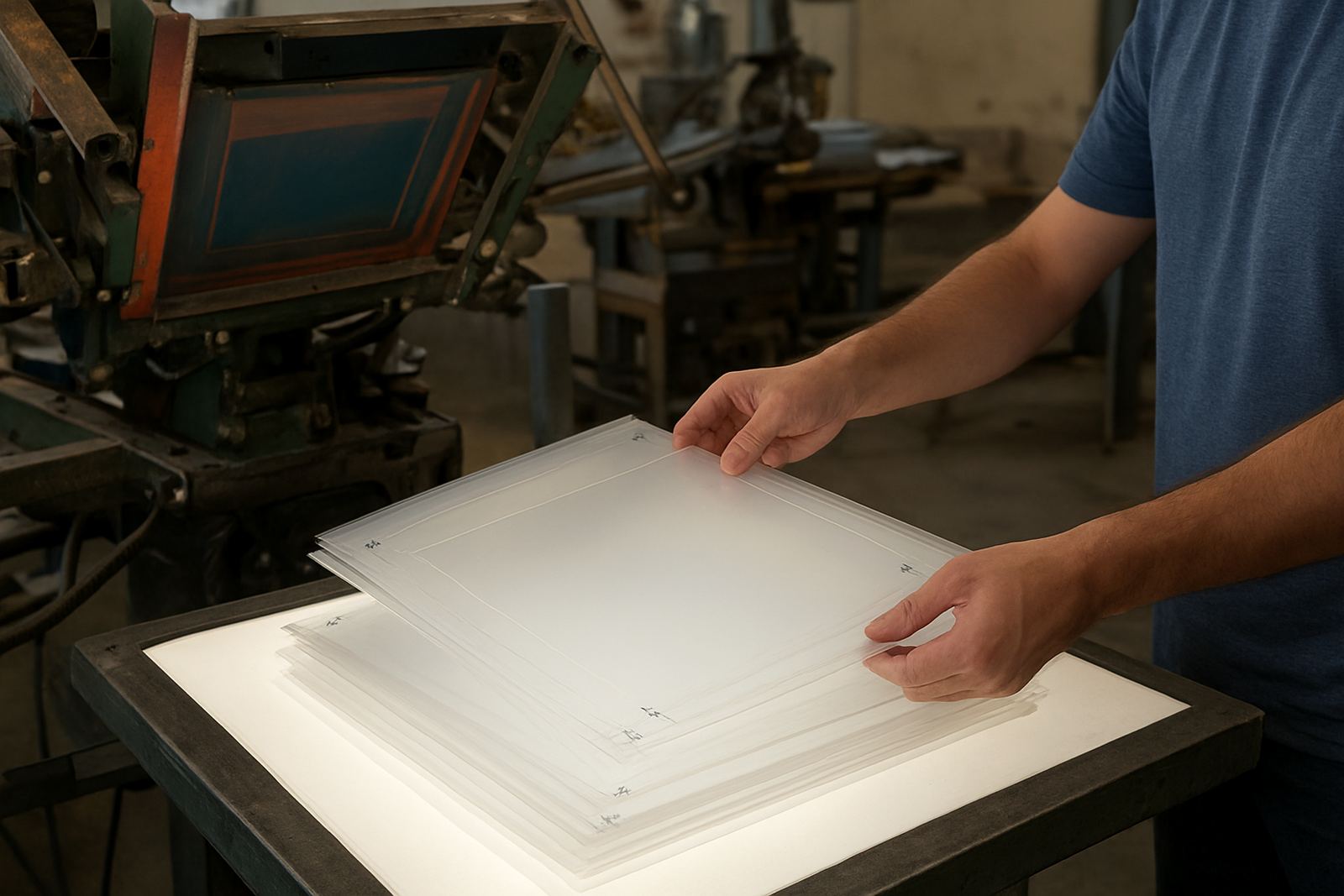
- Film output for the approved artwork
- Screen coating and drying before exposure
- Exposure matched to mesh count and detail level
- Washout and touch-up after exposure
- Screen registration checks where needed
- Advice on storage and re-use for repeat jobs
We also support screen reclaiming and re-coating when you need the frame put back into circulation. For schools, clubs and businesses that print regularly, that keeps turnaround practical and helps stretch production value across multiple jobs.
How We Prepare and Expose a Screen
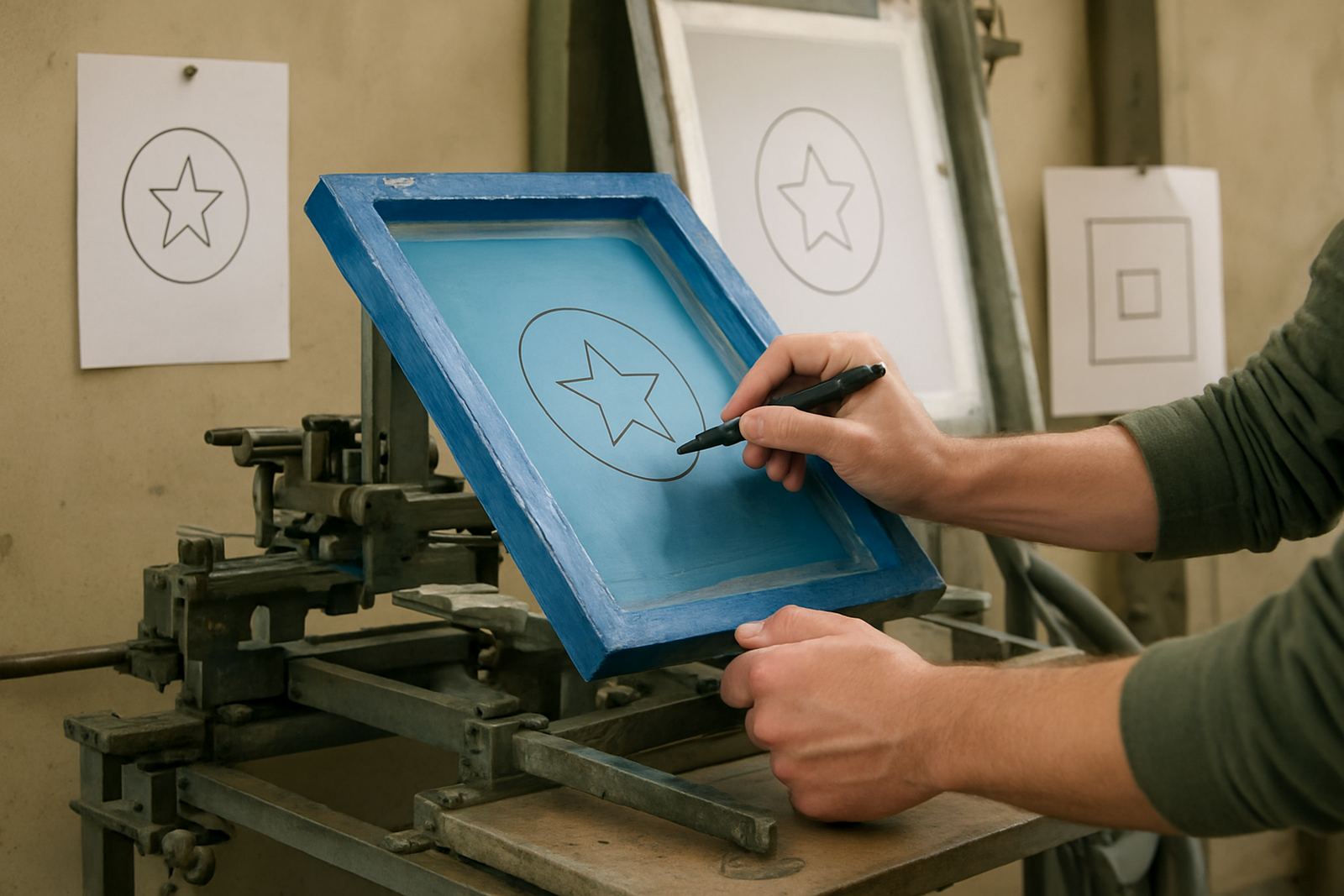
Each job starts with artwork checking. If the file needs adjustment, we can handle vector redrawing or colour separation before film output. Once the film is ready, the screen is cleaned, coated with emulsion and dried in controlled conditions. That stage matters, because an uneven coating will show up later as pinholes or weak stencil edges.
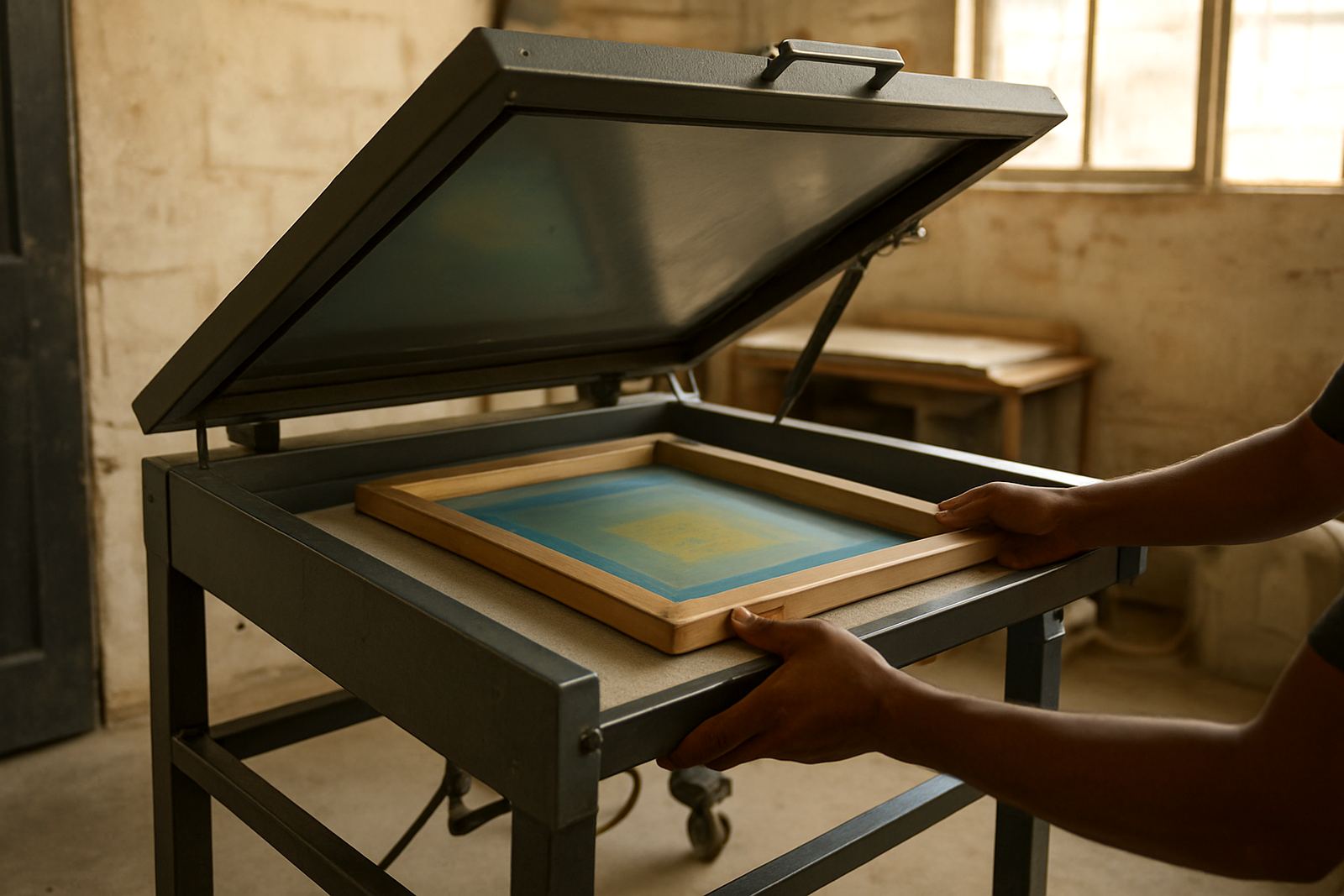
After drying, the film is aligned to the screen and exposed using timed light exposure matched to the mesh and emulsion type. We then wash out the image area carefully, inspect the stencil for weak points and make any small touch-ups before the screen moves to production. For repeat orders, we keep screen storage organised so the frame can be re-used without unnecessary rework.
- Artwork review and file preparation
- Film output and screen coating
- Timed exposure under controlled conditions
- Washout, touch-up and final inspection
- Storage ready for reprints where required
Turnaround for Durban, KZN and Courier Jobs
Turnaround depends on artwork readiness, quantity and the number of screens involved. Simple single-screen jobs can often move quickly once the file is approved, while multi-colour work and fine-detail designs need more time for separation, coating and inspection. We always prefer to quote based on the actual job rather than guessing, because a rushed exposure can cost more later in reprints or press stops.
For Umbilo, Durban Central, Berea, Pinetown, Westville, Amanzimtoti, Ballito and Pietermaritzburg deliveries, we coordinate exposure work with dispatch so the screens arrive when the production schedule allows. Courier delivery is also available nationwide. If your order is needed for a school event, club fundraiser or business launch, send the artwork early and allow time for checking, particularly when the job includes small text or tight registration.
Pricing Approach and What Changes the Cost
Screen exposure pricing is based on the number of screens, the detail in the artwork, the mesh specification and whether extra preparation is needed. A simple one-colour design on a standard frame costs less to process than a fine halftone image with multiple colours and detailed registration points. If the screen needs reclaiming, recoating or re-exposure, that will also affect the total.
We keep pricing practical and transparent. You will know what is included before work starts, and if the artwork needs vector redrawing, colour separation or extra test printing we will say so upfront. For regular clients, it often makes sense to plan exposure and storage together so repeat runs are quicker and the screens stay in better condition. That helps in summer heat as well, when drying times and humidity can affect the queue.
Maintenance Intervals and Screen Care After Exposure
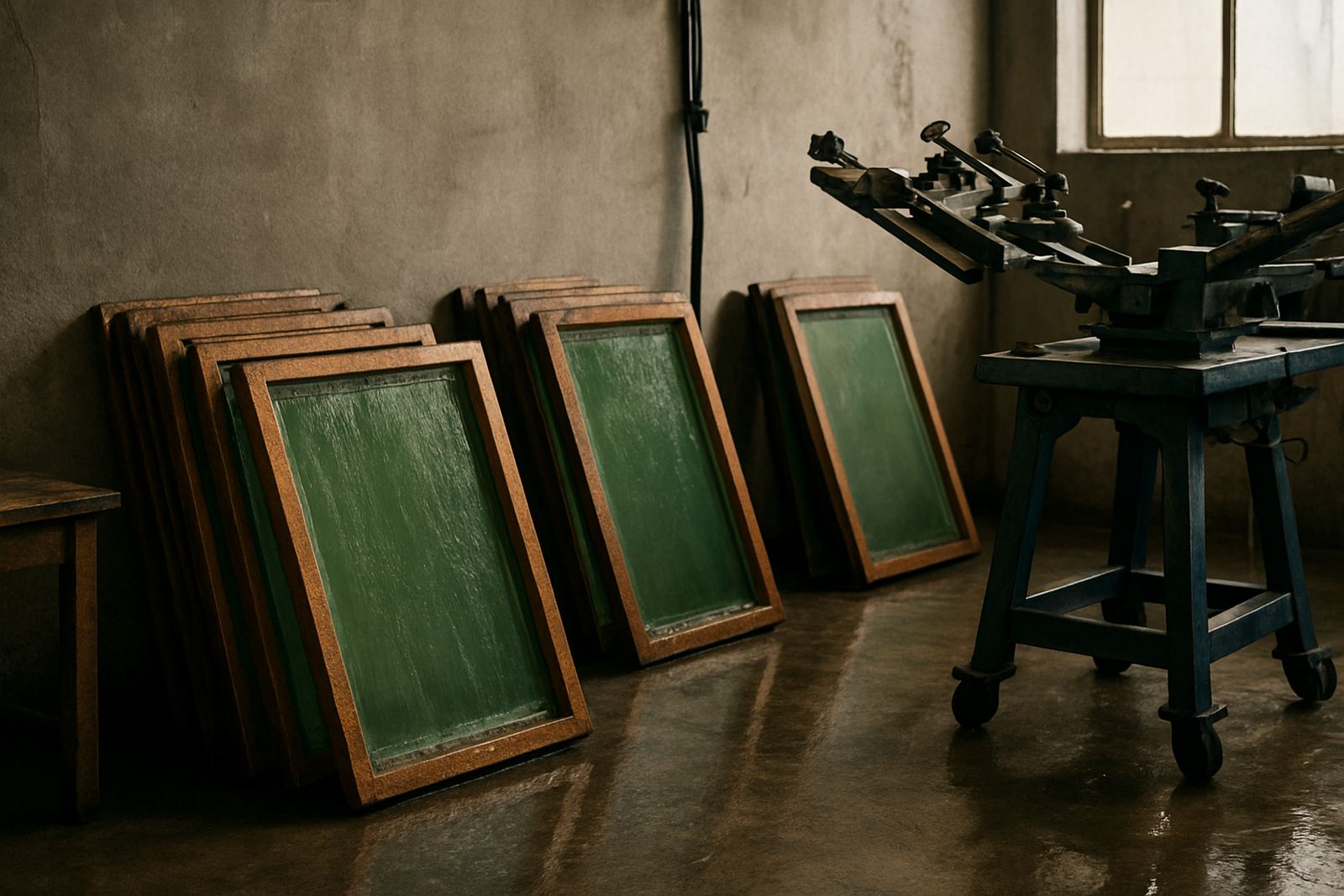
Good screen care starts after exposure and continues between print runs. If a screen is stored badly, the stencil can soften, pick up dust or lose definition before the next job. We advise clients to keep exposed screens in a dry, shaded place away from direct sun and damp walls. For coastal Durban conditions, that matters more than many people think, especially during humid weeks.
As a rule, inspect stored screens before re-use and check for pinholes, blocked detail or stencil breakdown. If you print often, plan a maintenance cycle that includes cleaning, reclaiming and fresh coating at sensible intervals instead of pushing a tired screen too far. A screen that is maintained well can handle multiple runs with better consistency and less waste on press.
- Store screens upright in a dry area
- Avoid heat, direct sun and heavy dust
- Check stencils before each repeat run
- Reclaim and recoat when detail starts to fail
- Keep records of mesh count and exposure results
Key facts
| Service area | Umbilo, Durban, KZN and nationwide courier delivery |
|---|---|
| Typical screen sizes | Small cap frames to large format banner and signage frames |
| Artwork detail support | Fine text, halftones, solids and multi-colour separations |
| Production inputs | Film output, emulsion coating, exposure, washout and touch-up |
| Common mesh considerations | Mesh count, ink type, artwork detail and registration needs |
| Suitable clients | Schools, clubs, businesses and repeat commercial printers |