Why colour separation matters for screen printing
Good colour separation makes the rest of the job easier. When artwork is split properly into spot colours, each screen carries the right part of the image, which helps with cleaner edges, less ink build-up and better alignment on press. That matters on T-shirts, caps, banners and signage where the final print must hold up after washing, sun exposure and regular handling.
For local work in Durban and the wider KZN area, we often deal with mixed artwork quality, logos saved in low resolution, or files that have been flattened too early. Our colour separation process corrects those problems before screens are made. It saves time during setup, reduces trial-and-error on press and gives a more controlled result on short runs as well as bulk orders.
This service is useful for schools ordering class shirts, clubs needing event clothing, and businesses printing uniforms or promotion wear. If the artwork is going onto dark fabric, textured stock or a surface that needs strong opacity, proper separation becomes even more important.
What is included in the service
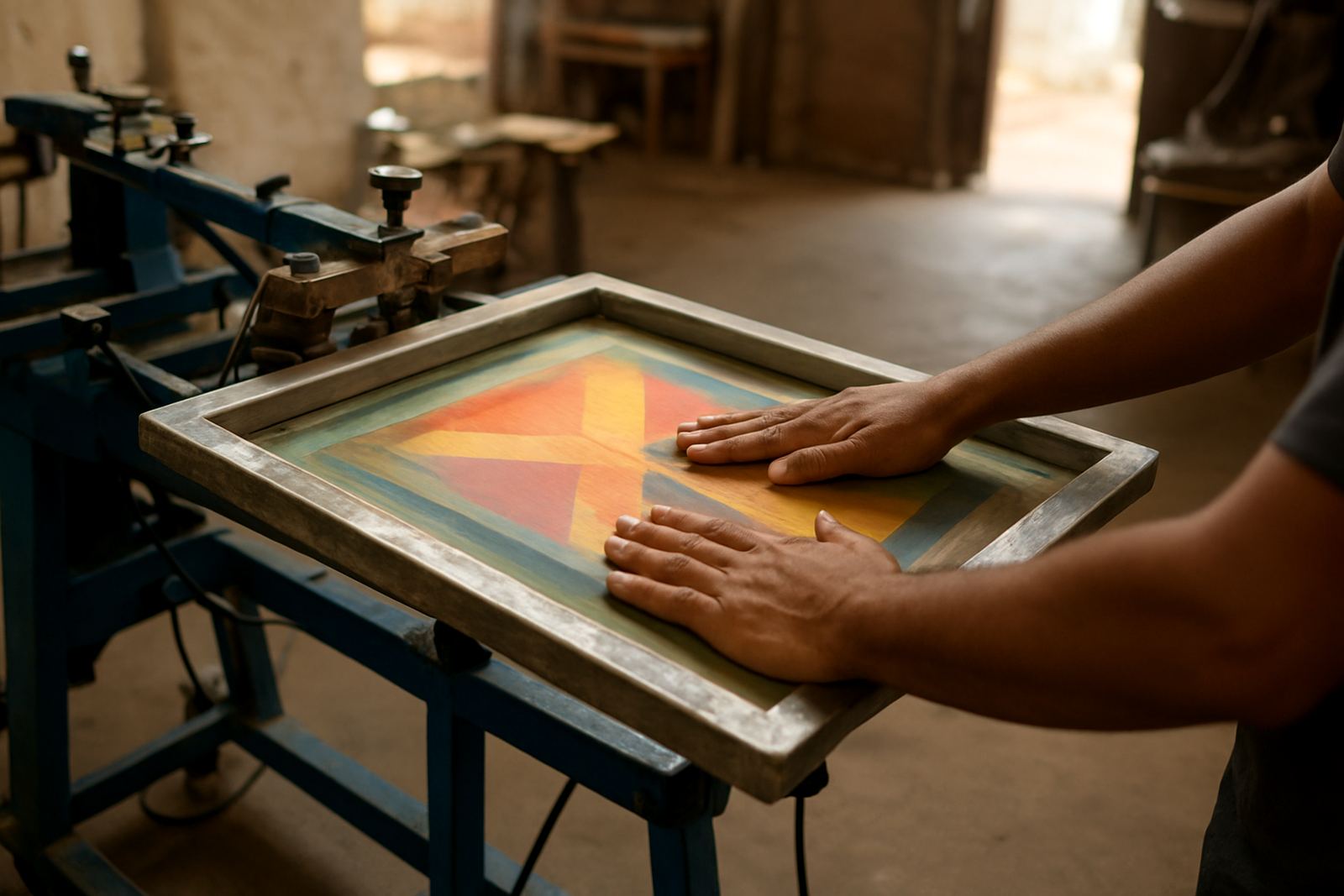
Colour separation at Screen Spectrum is done in-house alongside artwork checking, stencil preparation and screen making. That lets us keep the print file, the film output and the physical screen build working together instead of guessing at press stage. We separate artwork into usable print layers and prepare it for practical screen production, not just for digital viewing.
- Spot colour setup for logos, text and simple graphics
- Colour reduction for artwork with too many shades for screen printing
- Vector redrawing where line work needs sharpening
- Film output prepared for screen exposure
- Advice on ink count, underbases and print order
- Checking for registration issues before screens are exposed
We also look at how the job will be printed. A two-colour school badge on a white shirt needs a different setup from a six-colour club design on dark cotton. If a design can be simplified without losing the look, we will say so. That usually cuts waste and keeps the print cleaner. Our team can handle runs of any size, from a few shirts to larger repeat batches.
How the separation process works
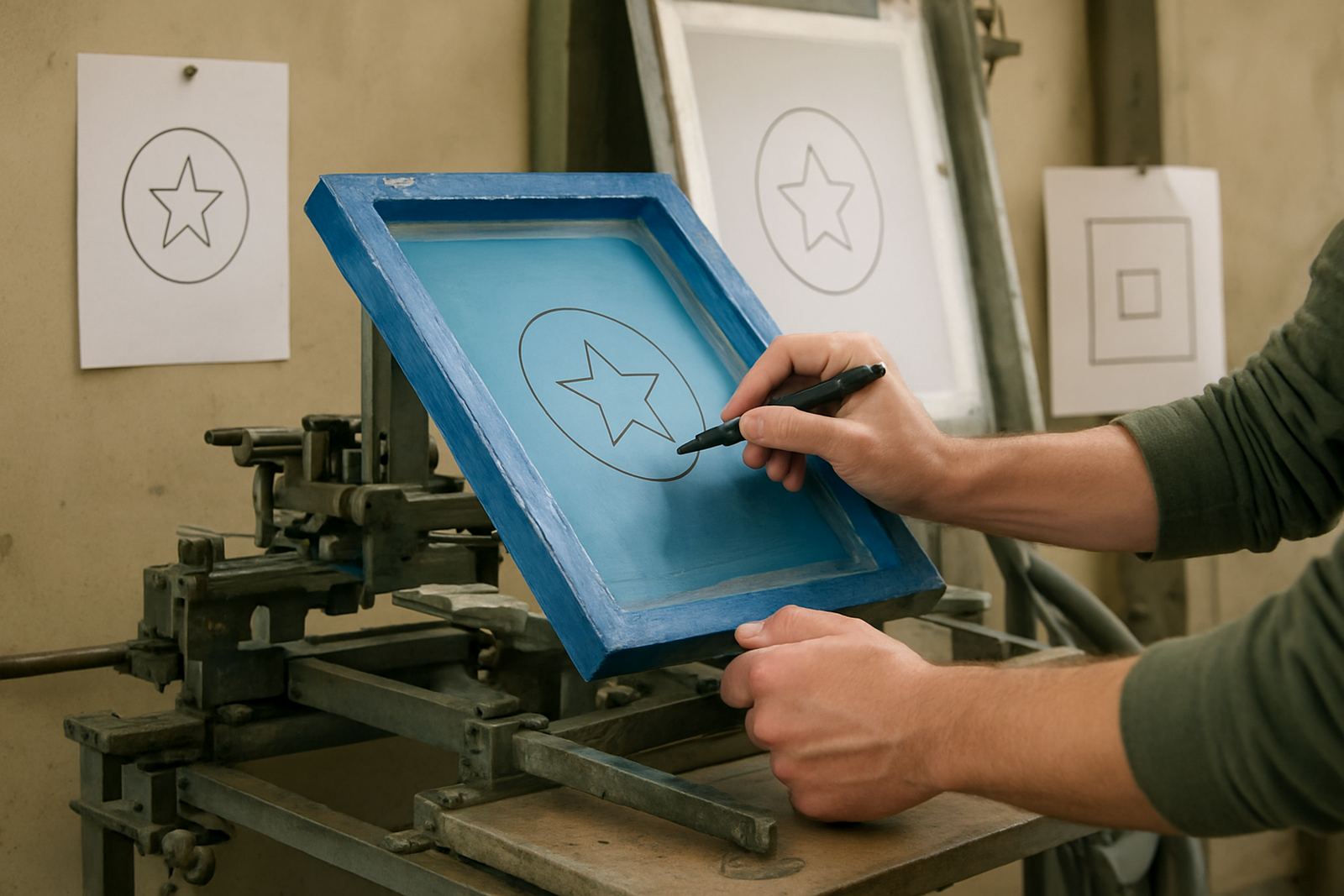
The process starts when you send through the artwork using the enquiry form on our contact page. We check the file type, image quality and the number of colours needed. If the artwork is suitable, we prepare the separation. If it needs rebuilding or tracing, we handle that first so the print layers match the final size and placement.
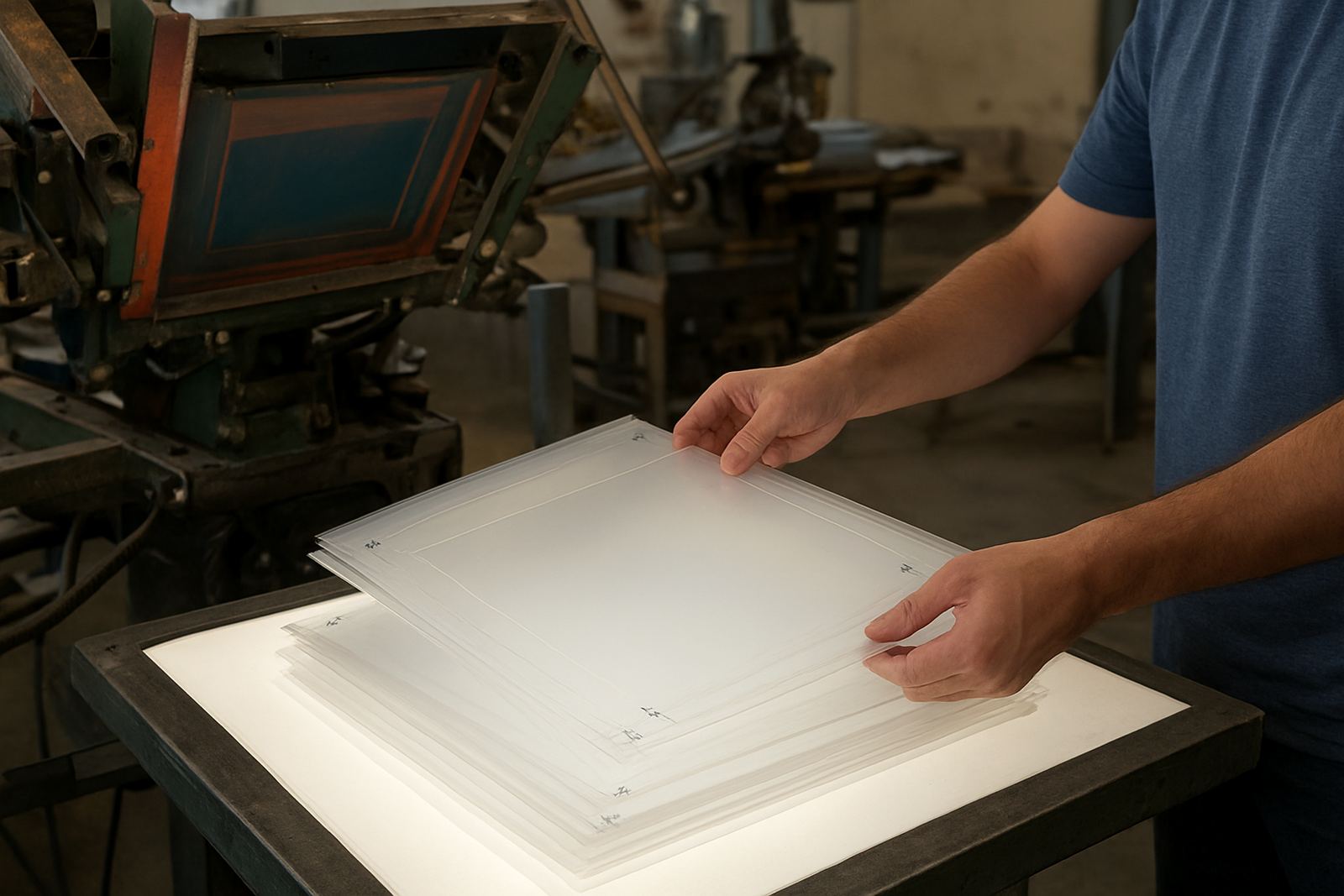
Once the colours are mapped out, we prepare the film positives for screen exposure and confirm the screen count needed for the job. This is where the print order and registration marks are planned. Good separation helps the printer line up each colour in the same place, which is especially important on multi-colour logos and fine text.
- Artwork review and sizing
- Vector redrawing or cleanup where required
- Spot colour breakdown and layer order
- Film output for each screen
- Screen exposure, washout and touch-up
- Test printing before the full run
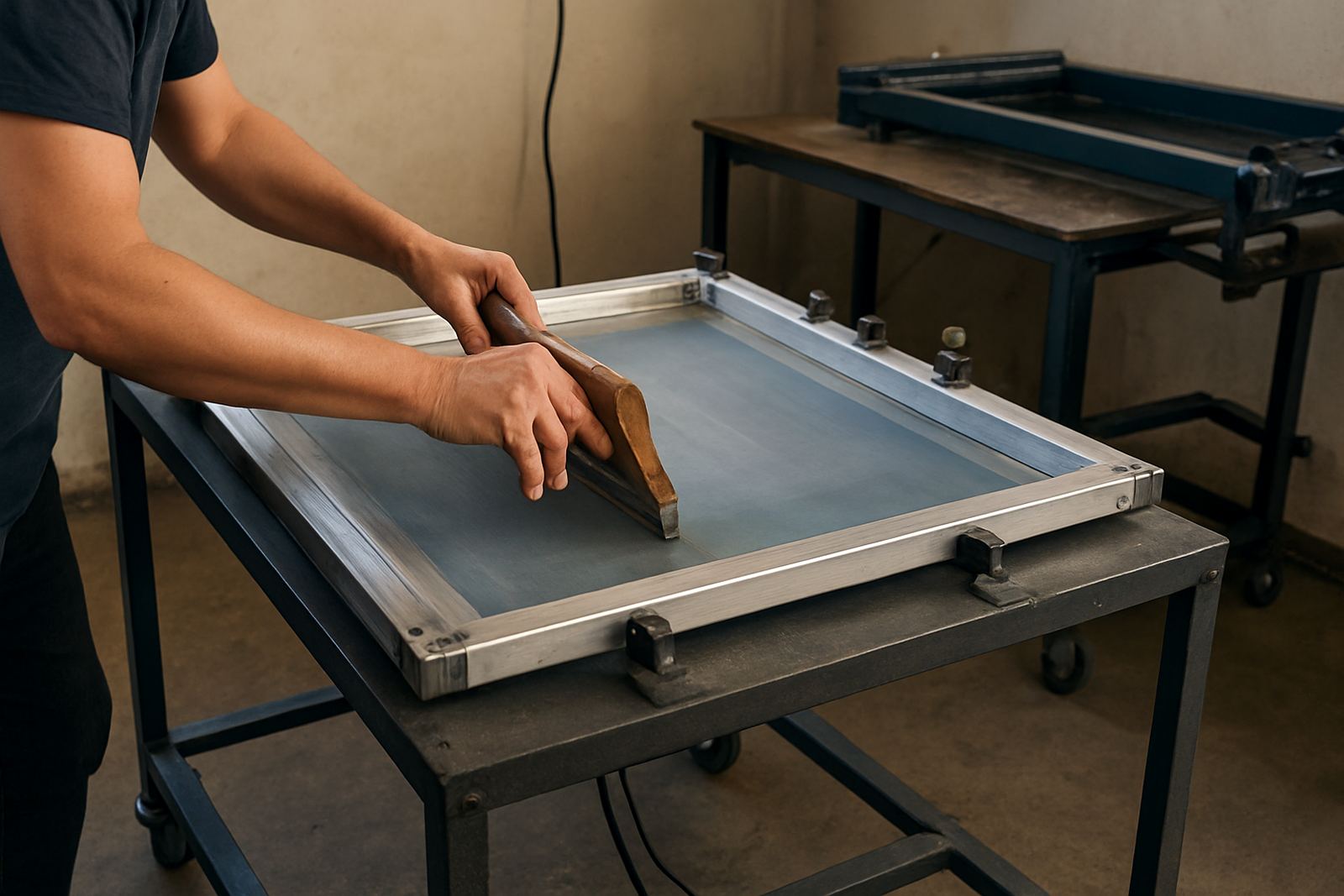
Because we do our own screen making, we can catch issues early. If a separation will not hold detail on the mesh count chosen, we adjust it before the screens are burned. That keeps the job practical and avoids delays once printing starts.
Turnaround times for Durban and courier jobs
Turnaround depends on the artwork condition, the number of colours and how many screens are needed. A simple spot colour job may move quickly, while a multi-layer design that needs redrawing or colour cleanup will take longer. We work to realistic timelines so the printroom can keep the job accurate, not rushed.
For local Durban collections and Umbilo deliveries, we can often move faster once the artwork is approved and the job is confirmed. Courier jobs to Pietermaritzburg, Ballito, Pinetown, Westville, Amanzimtoti and other areas are packed and sent after production, depending on dispatch schedules and the time the order is signed off. Weather, load shedding and high-volume periods can affect timing, so it helps to submit artwork early in the week if the job has a fixed deadline.
As a guide, simple separations are often completed within a short production window, while more detailed work may need additional time for cleanup, film, exposure and test printing. We always aim to give a clear lead time before the job starts.
Pricing approach and what affects the cost
We price colour separation according to the actual work involved. That means the cost is affected by the number of colours, the complexity of the artwork, whether vector redrawing is needed, and whether the file needs extra correction before screen production. A clean logo with two or three spot colours will usually cost less than a detailed image that needs extensive rebuilding.
We also consider the print method and the final use of the item. A small school order for event shirts may need a different setup from a business re-order for ongoing staff uniforms. Where possible, we keep the setup sensible so you are not paying for unnecessary screens. If a design can be simplified without affecting the result, that often reduces both production time and cost.
For repeat work, the separated files and screen notes can be kept on record for future runs, which helps with consistency and can reduce setup work next time. That is useful for clubs and companies that reprint the same logo through the year.
Keeping screens and separations in good condition
Good colour separation is not only about the first print. It also helps with long-term screen use and repeat orders. When separations are built properly, screen registration stays easier and the screens are less likely to need rework. For ongoing jobs, we recommend checking artwork and screen condition at regular intervals, especially if the design will be printed again after a few months.
In a humid coastal area like Durban, screens and films need proper storage. Moisture can affect emulsion and make it harder to hold detail during exposure. We offer screen storage and reclaiming services so screens can be kept ready for future use or cleaned down for the next job. If a design is being re-used, it is worth confirming the mesh count, exposure quality and ink build-up before the next run.
- Check repeat artwork before each reprint
- Inspect screen tension and mesh wear
- Reclaim screens after every completed run if they will not be reused soon
- Store clean screens away from dust and damp areas
- Review separations again if the garment colour or print size changes
This practical maintenance helps avoid registration drift, poor ink deposit and cracked stencils. It also supports cleaner production when jobs come back after weeks or months, especially in school and club work where the same design is used across different events.
Key facts
| Service | Colour separation for screen printing |
|---|---|
| Location | Umbilo, Durban |
| Artwork formats | PDF, AI, EPS, high-resolution PNG or JPEG |
| Typical output | Spot colour layers, film positives, registration marks |
| Best for | T-shirts, caps, banners, signage and uniforms |
| Coverage | Durban, KZN and courier delivery nationwide |