
What Frame Reclaiming Covers
Frame reclaiming is the full clean-up of a used screen so it can be used again for new artwork. We remove old emulsion, ink haze, tape, and coating build-up, then prepare the mesh and frame for the next exposure cycle. For KZN printers working in humid conditions, this matters because leftover residue can block detail, weaken stencil edges and cause dirty print runs.
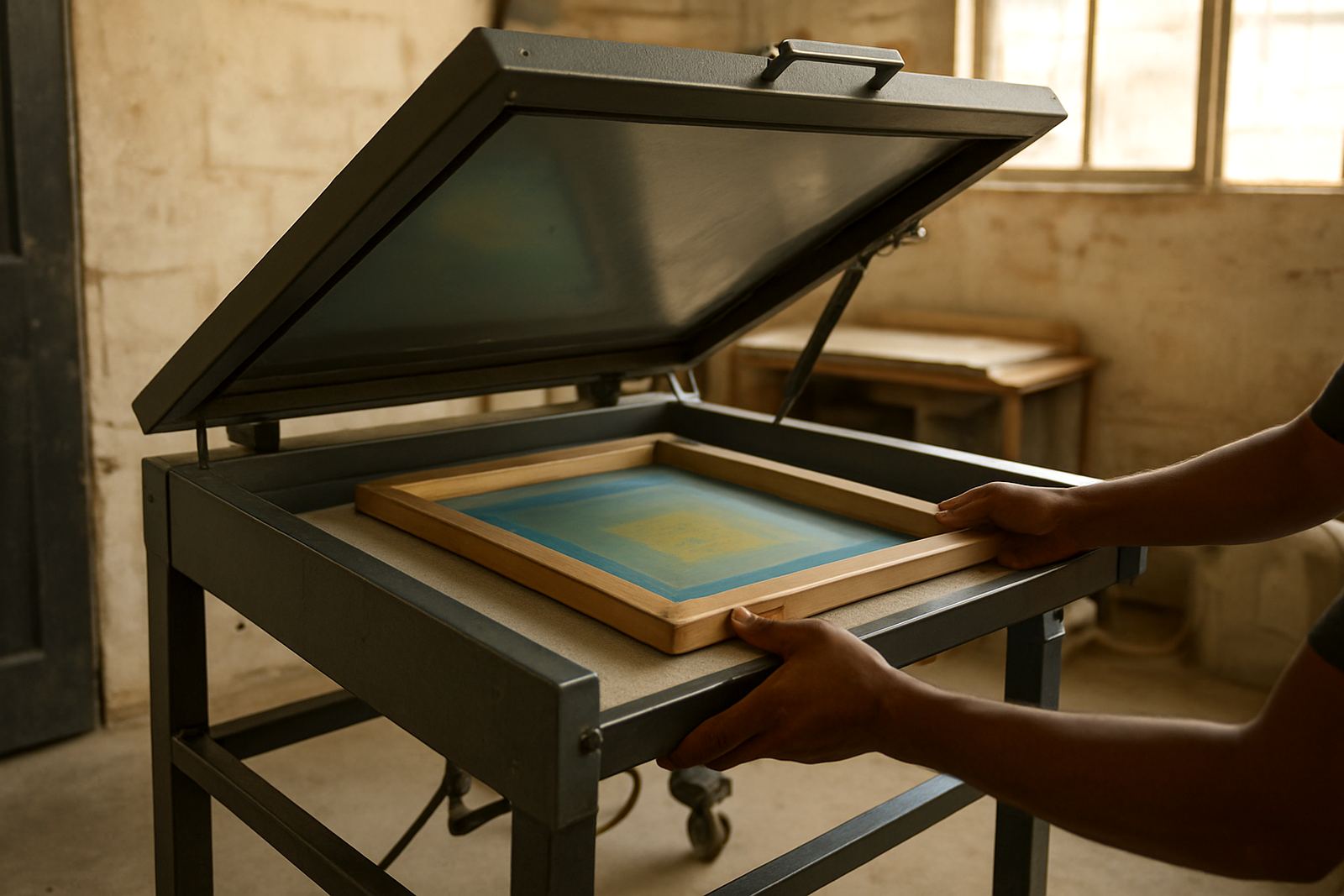
At our Umbilo base, the process is handled in-house with proper screen storage and inspection before the screen is released back for stencil work. We work with aluminium and timber frames, small run screens for school events, and larger production screens for signage and garment work. If a frame has minor wear but is still sound, reclaiming is often the most cost-effective option.
- Removal of old emulsion and stencil residue
- Ink stain and haze cleaning
- Mesh inspection for damage, tears and slack areas
- Frame inspection for warping, loose corners and glue failure
- Final prep for emulsion coating and exposure
Step-by-Step Reclaiming Process
We start with a visual check so we can see whether the screen is suitable for reclaiming or whether the mesh is past its service life. After that, the screen is stripped, washed and treated to lift stubborn residue. Screens that have been used for spot colour work, fine detail or repeated garment runs usually need a more careful clean, especially if they have been sitting in storage for a while.
Once the screen is clean, we check the tension, frame condition and mesh surface. If needed, we carry out touch-up work on small defects and then move the screen into the next stage of production. Our workflow is set up to keep things moving, even when load-shedding affects the day, so we plan batches and keep screened jobs in sequence.
- Receiving and job check-in
- Stripping of old emulsion and tape
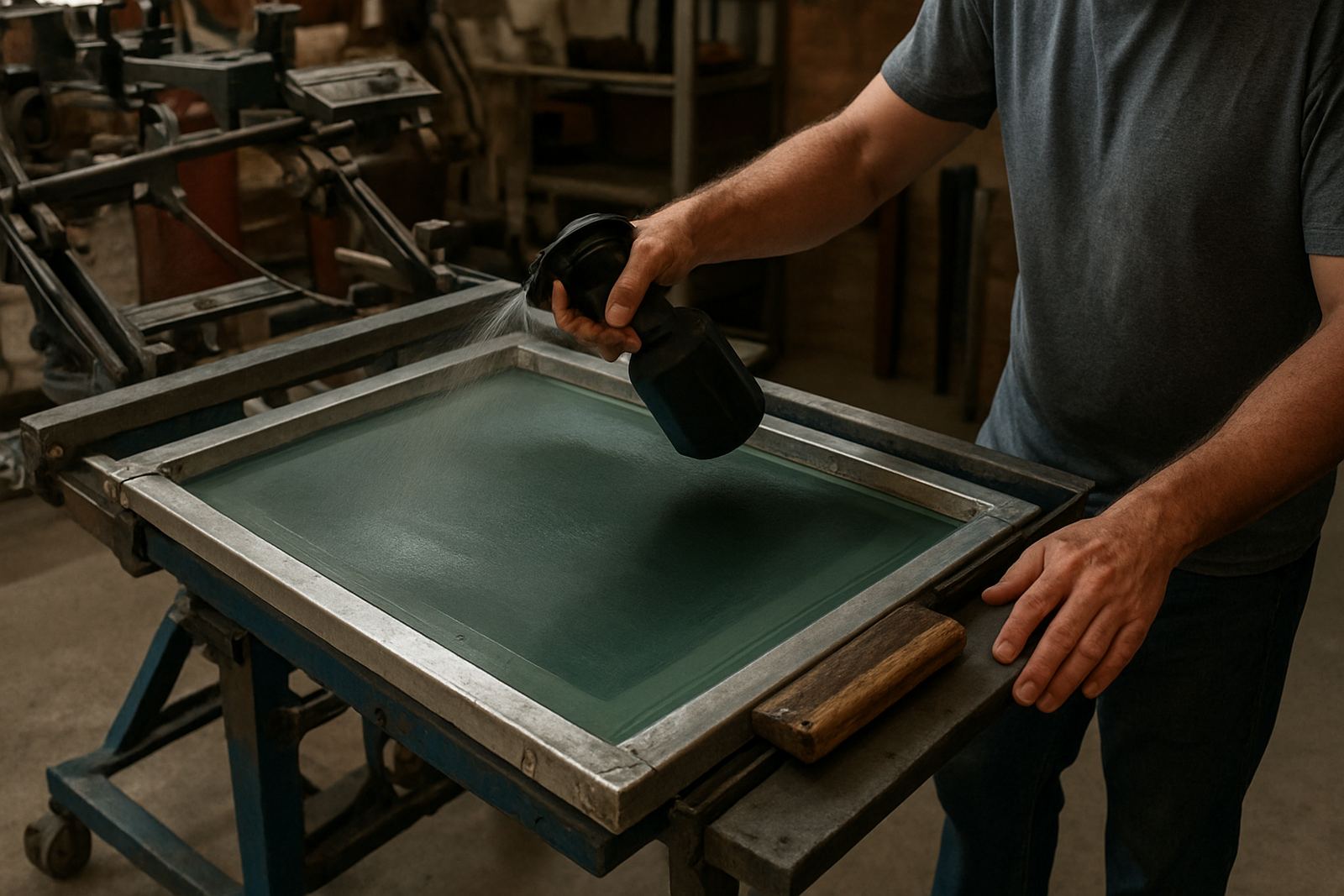
- Washout, degreasing and stain treatment
- Inspection for mesh damage and frame faults
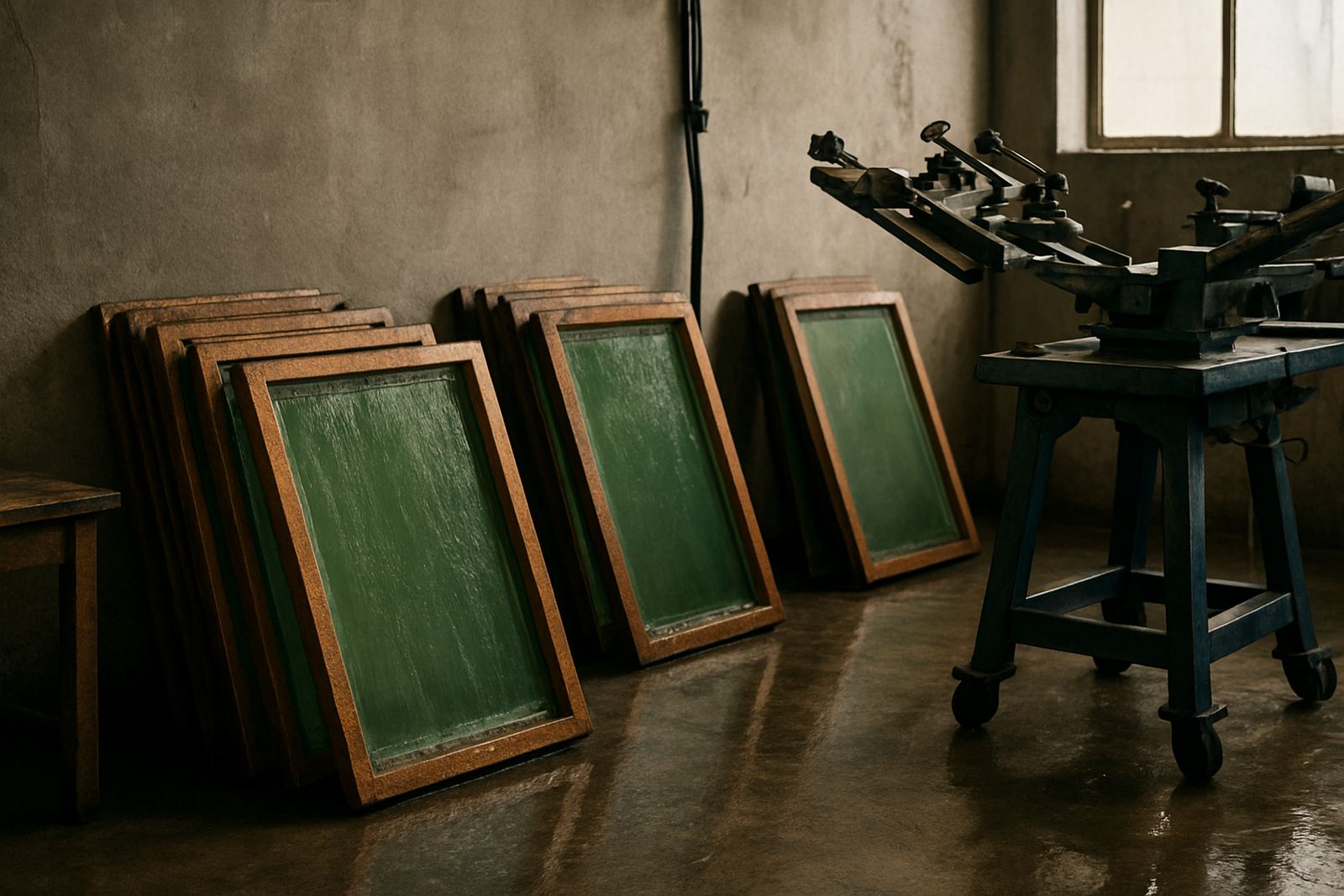
- Drying, tagging and storage for the next job
When a Screen Should Be Reclaimed
Most printers reclaim screens after each print run, but the timing depends on the ink type, mesh count and how the screen was used. A screen used for large solid areas on banners may clean up quickly, while fine detail screens for lettering or school crests may need extra attention. In Durban’s coastal air, screens left dirty for too long can become harder to recover because moisture and residue bond into the mesh.
As a general rule, reclaim after every completed job if you want consistent exposure and cleaner print detail. If the screen is going back into storage, it should be washed and dried properly first, not left with ink sitting on the mesh. For clients with repeat monthly work, we can set a practical maintenance cycle that matches run volume rather than forcing a one-size-fits-all schedule.
- After every print run for best reuse
- Immediately after solvent or water-based ink jobs
- Before long-term screen storage
- Before re-coating for fresh artwork
Turnaround, Capacity and Collection
Turnaround depends on how many screens are coming in, how stubborn the residue is, and whether the frames need repair before reuse. Simple reclaiming jobs can move quickly, while heavily used screens may need extra cleaning time. For Durban Central, Berea, Pinetown, Westville and Amanzimtoti deliveries, we can coordinate dispatch so the screens arrive when the production schedule needs them.
We handle small batches and larger volumes, which suits schools preparing for sports events, clubs printing kits, and businesses with recurring signage work. Courier delivery is available nationwide for clients outside Durban. If a job is urgent, tell us the deadline on the enquiry form and we will advise what is realistic based on the number of screens and the condition they are in.
- Small batch reclaiming for same-week use where possible
- Production batches for recurring print programmes
- Courier options for out-of-town clients
- Collection and delivery planning for Durban and surrounding areas
Pricing Approach for Reclaiming Work
Pricing is based on the screen size, the amount of cleaning needed, the condition of the mesh and whether any frame repair is required. A lightly used screen takes less time than one with heavy ink build-up or stubborn ghosting, so we quote according to the actual work involved. That keeps pricing fair for both one-off jobs and repeat production orders.
If you have a regular print schedule, we can quote on a batch basis so your monthly production costs are easier to plan. Screens that are damaged beyond reclaiming are usually more expensive to force back into service than to replace, so we will advise honestly where the line sits. For schools and clubs working to fixed budgets, this kind of upfront check helps avoid waste.
Keeping Reclaimed Screens in Better Condition
Good reclaiming is only part of the picture. Screens last longer when they are stored flat or properly racked, away from dust, direct sun and damp. In coastal Durban, humidity can affect both mesh and adhesive if screens are left in a hot storeroom or packed against a wall. That is why we recommend a simple care routine between print jobs.
Our team can also advise on storage and rotation so your screens stay ready for the next stencil without unnecessary rework. If you are running mixed jobs from T-shirts to banners and signage, keeping screens clearly labelled by mesh count and artwork type will save time at the next setup. A tidy reclaiming cycle means less downtime and cleaner print results.
- Store screens dry and away from floor moisture
- Label screens by artwork, mesh count and job type
- Reclaim promptly after use
- Avoid stacking wet screens together
- Check frames before the next coating cycle
Key facts
| Service | Frame Reclaiming |
|---|---|
| Base | Umbilo, Durban |
| Mesh types | Garment, banner and signage screens |
| Frame types | Aluminium and timber frames |
| Turnaround | Depends on batch size and screen condition |
| Delivery | Courier nationwide, local Durban area delivery available |