Opaque film positives that expose cleanly
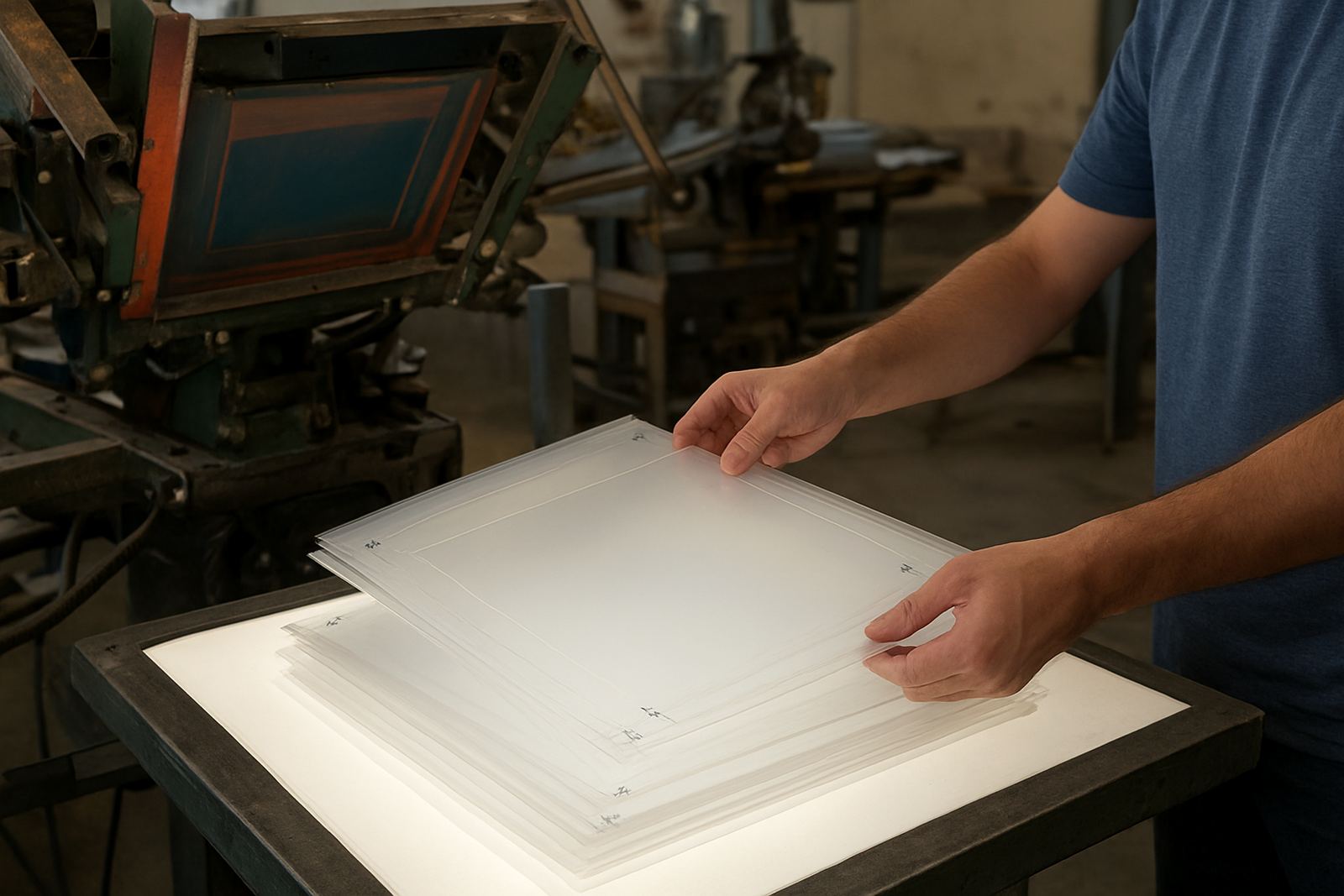
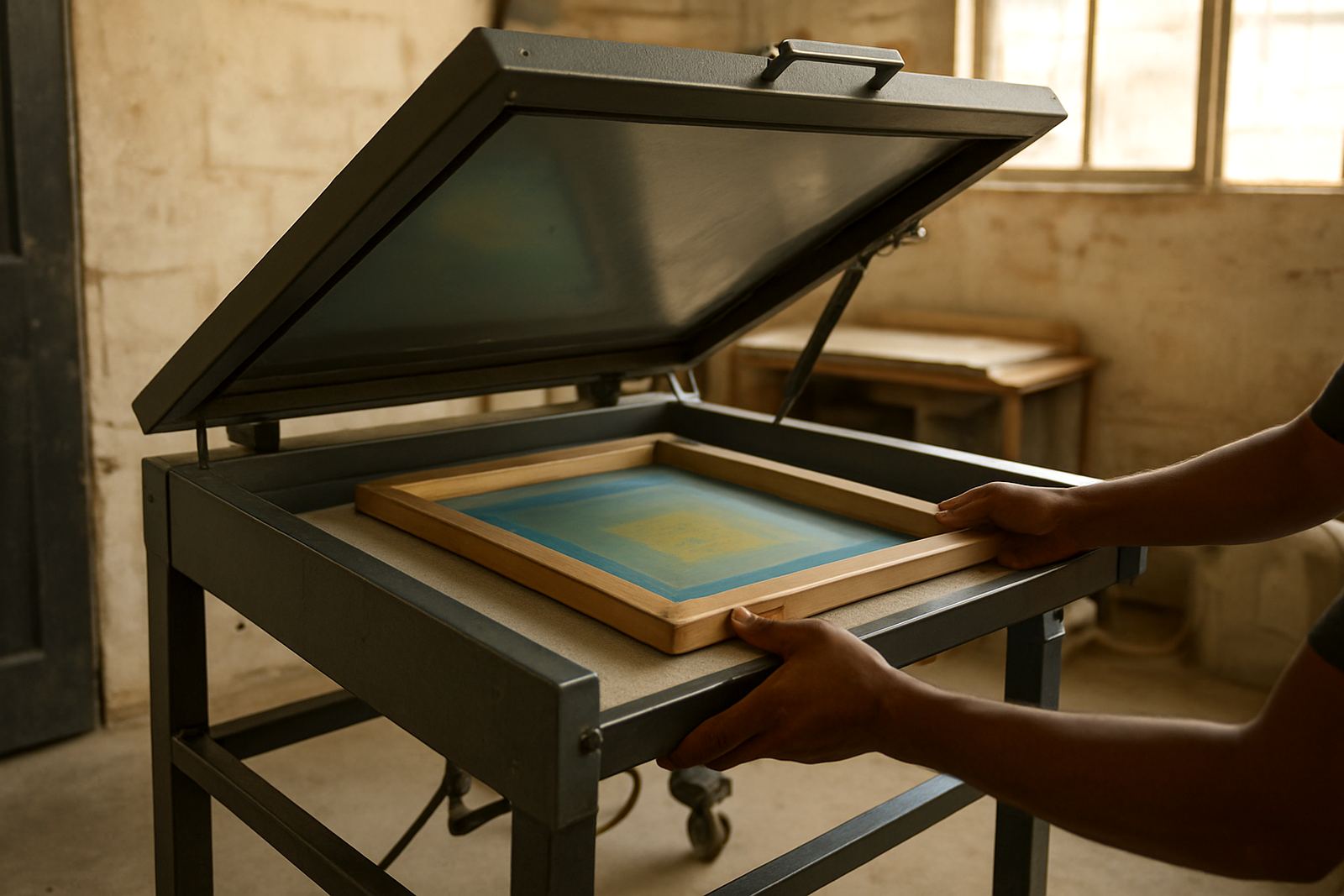
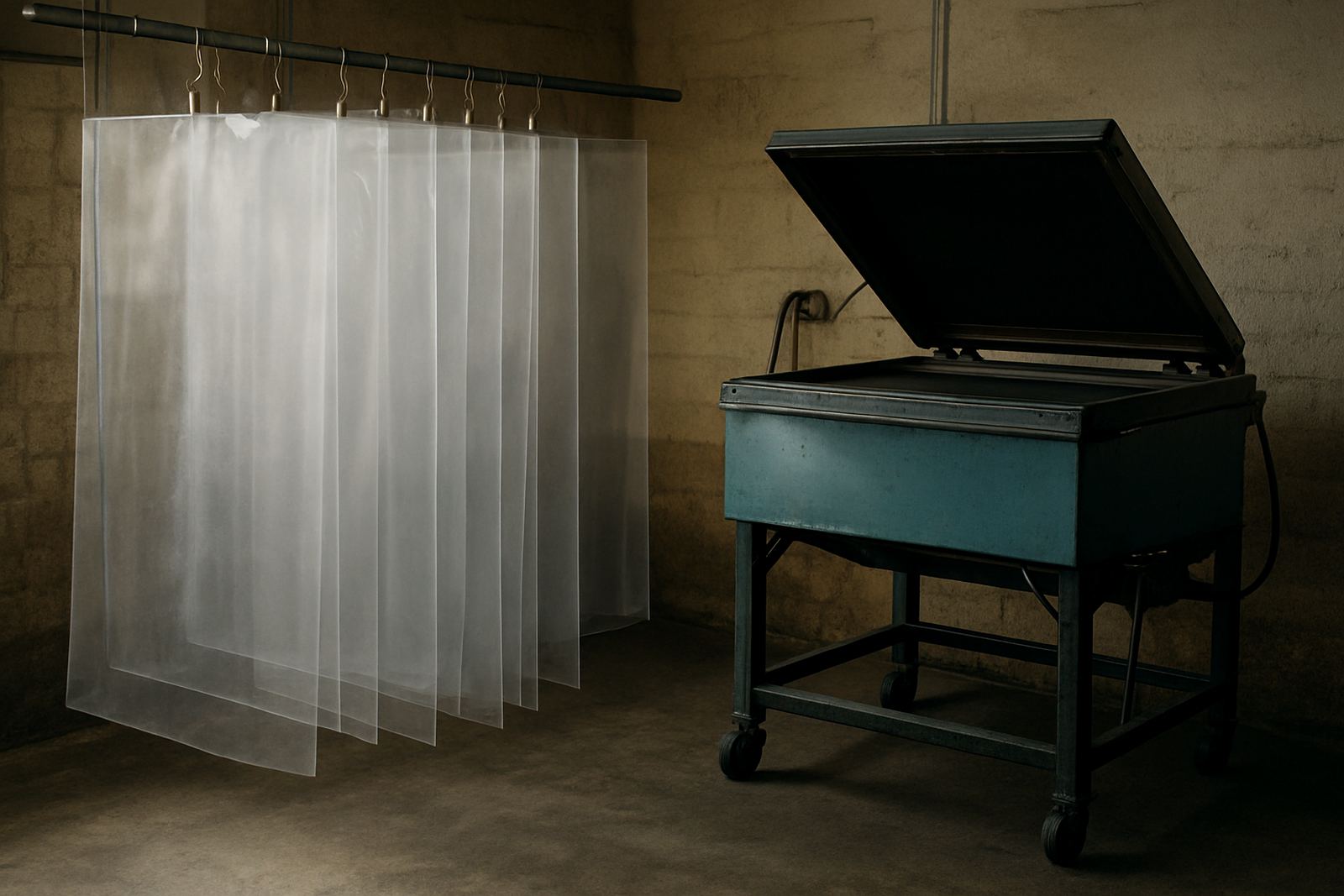
Film output is the step that turns your approved artwork into a black, light-blocking positive ready for screen exposure. If the film is too thin, pinholed or poorly scaled, the screen opens in the wrong places and the print suffers. We print film positives with dense blacks, crisp edges and correct sizing so your stencil exposes evenly and repeats stay true from job to job.
Our output suits T-shirts, caps, banners and signage work, whether the run is 20 shirts for a school event or a larger order for a Pietermaritzburg business. We prepare films from supplied artwork or from files that have already been checked and separated in-house. You get a practical print-ready result, not a file that still needs guessing.
What is included in the film output service
Every film output order is handled with the final screen in mind. We check that the artwork is suitable for screen printing, then output the film at the correct size and density for exposure. For multi colour work, we can prepare separate films for each colour so registration is easier on press. Our team also keeps repeat jobs organised, which helps when the same logo, number set or school badge comes back months later.
- Artwork checking for image quality, size and print readiness
- Vector redrawing where line work needs cleaning up
- Colour separation for spot colour and multi colour work
- Film output at correct scale for the chosen screen size
- Dense blacks for accurate exposure and sharper edges
- File labelling for repeat orders and faster reprints
For Durban Central, Westville and Berea customers, we often handle short lead-time jobs that need the film same day or next day. If a job is coming from a school or sports club, we can keep the artwork on file for later re-runs, which saves time when the next season starts.
How we prepare film for exposure
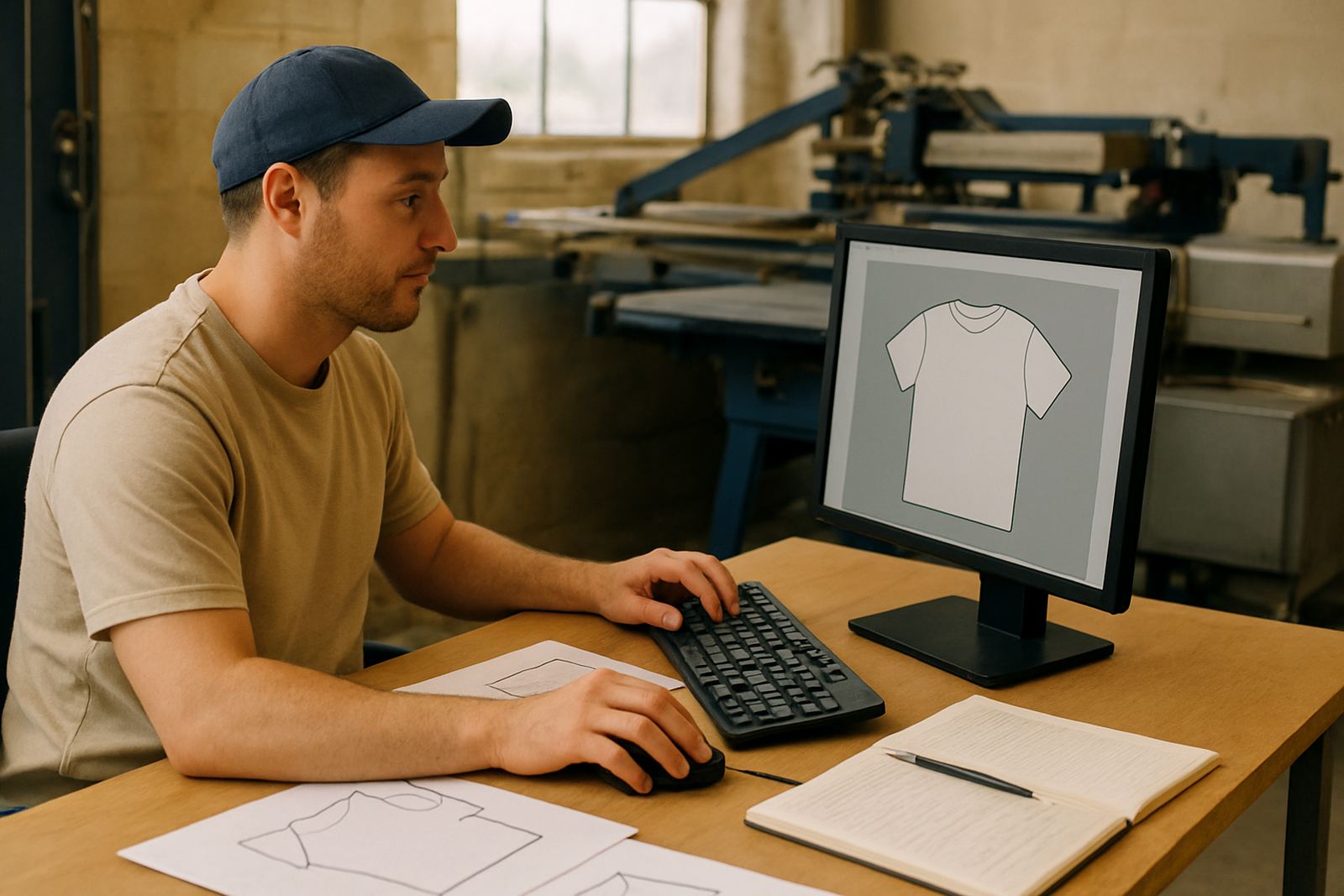
The process starts with the artwork. Once we have the file, we check line thickness, font size, overprints and colour breaks. If artwork needs tidying, we sort that before output so the film is usable on the screen table. We then print the positive on opaque film, inspect the solid areas and confirm the image size against the order details. That extra check matters when the design has small text or fine outlines.
For wet coastal conditions in Durban, film handling matters too. Humidity can affect storage and flatness, so we keep output flat and clean before it goes to exposure. In load-shedding periods, we plan production carefully and keep jobs moving so a missed power window does not hold up the whole screen making schedule. It is simple practical stuff, but it saves a lot of rework.
- Step 1: receive the artwork and order instructions
- Step 2: check size, separations and detail level
- Step 3: output the film on dense, opaque media
- Step 4: verify alignment and density before handover
- Step 5: file the job for later repeat use if requested
Turnaround times for Durban and KZN orders
Turnaround depends on the artwork condition, number of colours and the queue on the day. Straightforward single-colour jobs can move quickly once the file is approved. More detailed work, such as multiple separations or artwork redrawing, takes longer because each film must line up properly. We always aim to keep the lead time realistic so the next step, screen exposure, does not get rushed.
Durban and Umbilo clients often drop off early in the day for faster processing, while out-of-town orders from Pinetown, Amanzimtoti or Ballito can be handled through courier. If your order is part of a broader print run for schools, clubs or businesses, we can schedule film output ahead of the screen making stage so the production line stays efficient.
- Simple repeat film: often same day or next working day
- Single new design: typically 1 working day after approval
- Multi colour or cleaned-up artwork: allow extra time
- Courier orders: timing includes collection and delivery
Pricing based on size, colour work and repeats
Film output pricing is based on the size of the image, the number of colour separations, how much artwork preparation is needed, and whether the job is a once-off or a repeat. A clean supplied file costs less to process than a badly set image that needs redraw work. Larger formats also use more material and take longer to handle, especially when the design must be tiled or scaled for banner and signage screens.
We quote according to the real work involved, not a one-size-fits-all rate. That keeps the price fair for small businesses, schools and clubs, and it helps when you need to compare a single club order against a full business rebrand. If a repeat job uses the same film again, we can often keep the artwork ready for the next run, which reduces setup time and cost. It also helps when the same logo comes back for a second batch of shirts after the first batch sold out.
Maintaining film quality for future reprints
Good film output does more than make one screen expose well. It also makes repeat work easier because the artwork record stays clear and usable. We recommend keeping approved artwork unchanged once the final film has been made, unless a size or wording change is needed. If the job is likely to repeat, we can store the file reference and output notes so the next print run starts from the same approved standard.
For long gaps between orders, especially in humid Durban weather, it helps to keep the film flat, dry and out of direct sunlight. If the design needs replacing later, we can output a fresh positive from the saved file and match the original setup. That means less waste, fewer exposure problems and less back-and-forth when the next order lands.
- Keep approved artwork unchanged after sign-off
- Store films flat in a dry place away from heat
- Recheck repeat orders for size before exposure
- Replace damaged films instead of patching them
Who we supply from Umbilo
Screen Spectrum works from Umbilo, Durban, and supplies film output for schools, clubs and businesses across KZN. Our team includes Sibusiso Mthethwa, Anele Zungu, Nokuthula Dlamini, Yusuf Khan, Priya Naidoo and Lwazi Khumalo, so artwork, production and dispatch are handled in one place. That makes it easier to keep the file moving from enquiry to film, then on to exposure and print.
Clients from Durban Central, Berea, Pinetown, Westville, Amanzimtoti, Ballito and Pietermaritzburg use our enquiry form to request quotes or send job details. Whether you need film for a small set of school badges or a larger signage run, we keep the output practical and ready for the next stage. It is straightforward work, and when it is done properly, the screen prints cleaner and holds detail better.
Key facts
| Output type | Opaque film positives for screen exposure |
|---|---|
| Typical uses | T-shirts, caps, banners and signage |
| Artwork support | Checking, vector redrawing and colour separation |
| Suitable run sizes | Single jobs, small batches and repeat production |
| Service area | Umbilo, Durban and courier delivery nationwide |
| Turnaround | From same day on simple repeat work, depending on queue and artwork |