
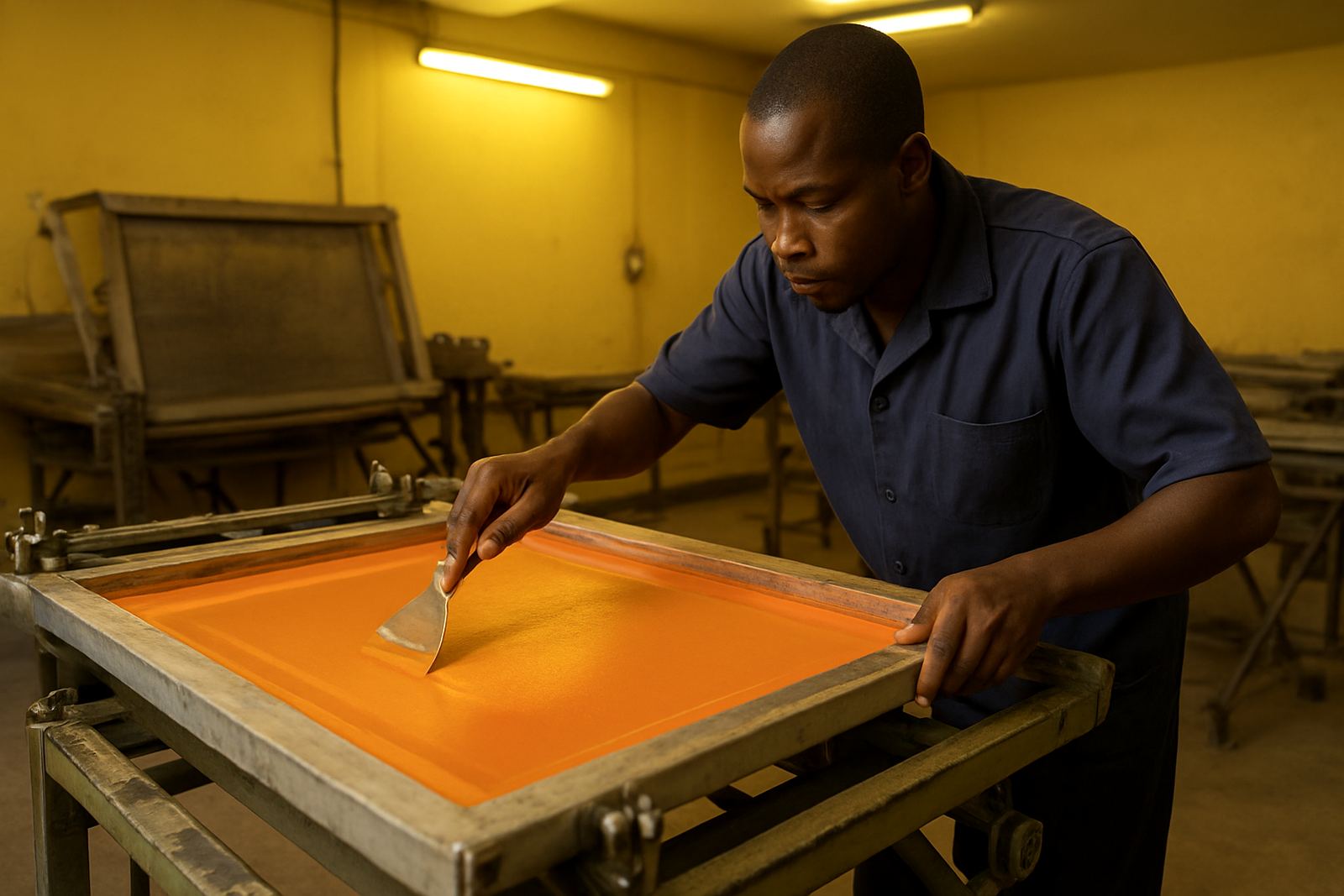
What emulsion coating does for your screen
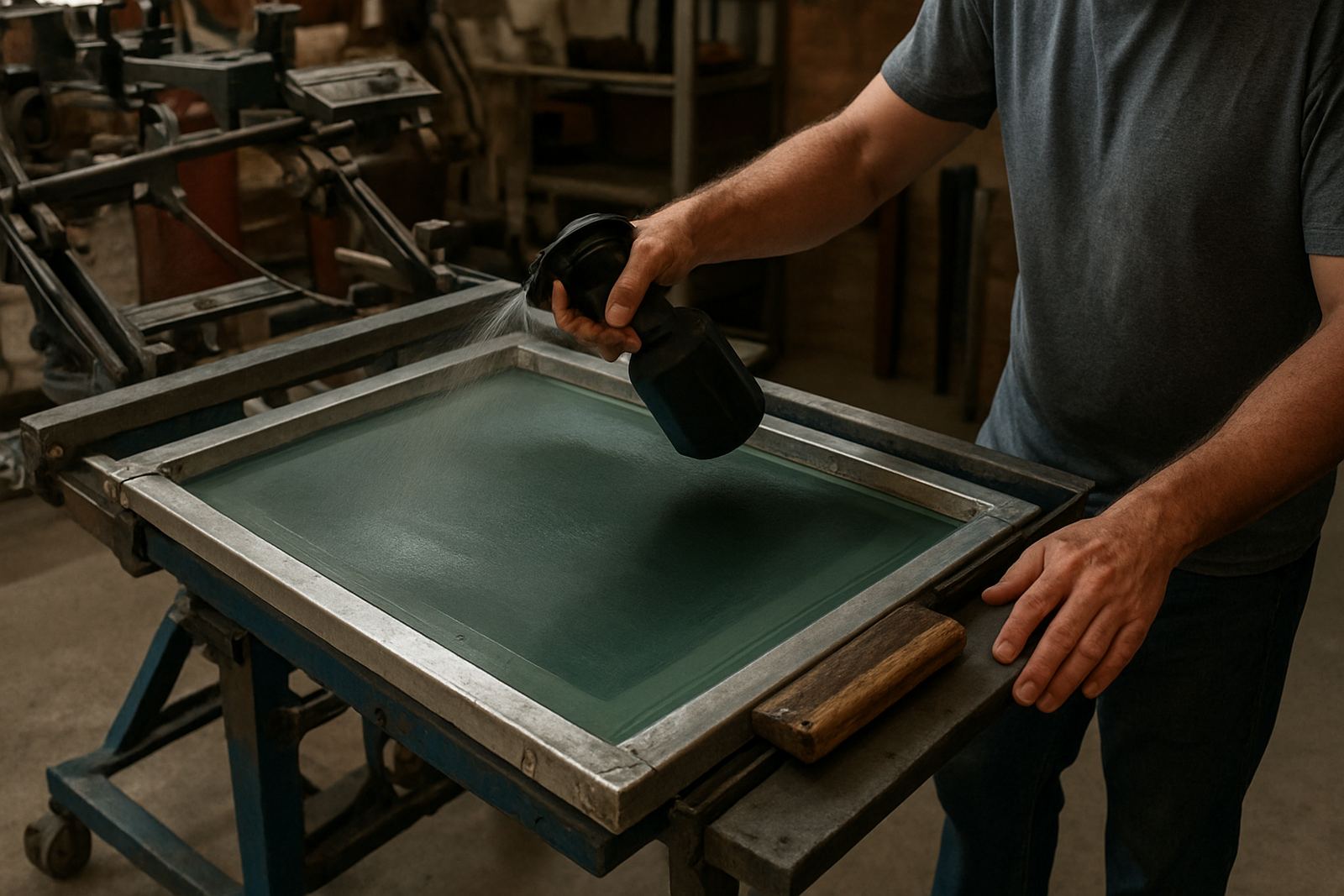
Emulsion coating is the base layer that turns a mesh screen into a printing tool. When the coating is even, the stencil holds detail properly, edges stay crisp and the screen exposes cleanly. If the layer is too thick, too thin or uneven, you can get pinholes, soft edges, blocked detail and extra wastage on press. That means more touch-ups and more down time, especially when you are running a school order, club kit or a business reprint with a tight handover.
At Screen Spectrum we coat screens for textile printing, signage work and general screen printing jobs. Our focus is on even coverage, correct drying and careful handling before exposure. That gives a better starting point for the rest of the process, from artwork checking through to washout and test printing. It also helps if you are printing in Durban’s humidity, where a rushed prep job can go tacky or dry unevenly and cause problems on the day.
What is included in the service
Each emulsion coating job is handled in-house as part of our screen making process. We prepare the mesh, apply the coating and dry the screen in controlled conditions before exposure. If needed, we can also sort the screen first with reclaiming, stretching or inspection so the coating sits on a sound base and not on old residue or damaged mesh.
- Mesh inspection for damage, old image residue and pinholes
- Frame and mesh cleaning before coating
- Single or double-sided emulsion application depending on the job
- Drying in a clean, dust-controlled area
- Screen preparation for exposure and washout
- Advice on coating choice for fine detail, halftones or heavier ink deposits
For customers who send us artwork, we can also check the file before the coating stage so the screen is matched to the print job. That saves time where the artwork needs vector redrawing, colour separation or film output. It keeps the prep work aligned from the first step to the last.
Our coating process from clean mesh to ready-to-expose screen
We start by checking the mesh count, frame condition and the kind of print being prepared. A finer mesh usually needs a lighter, more controlled coating for detailed work, while a different build may suit heavier ink coverage. The aim is always the same: a uniform stencil surface that exposes consistently.
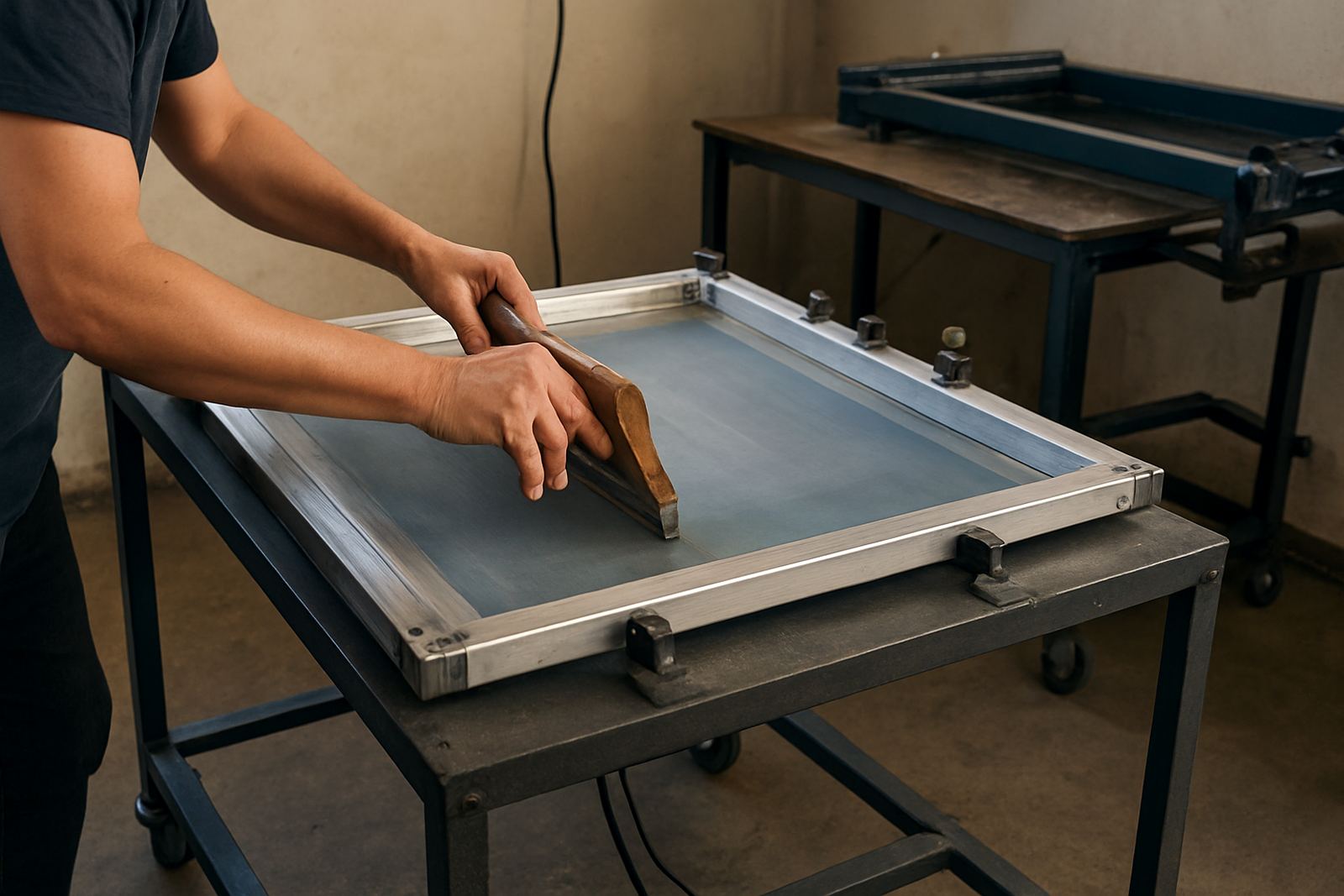
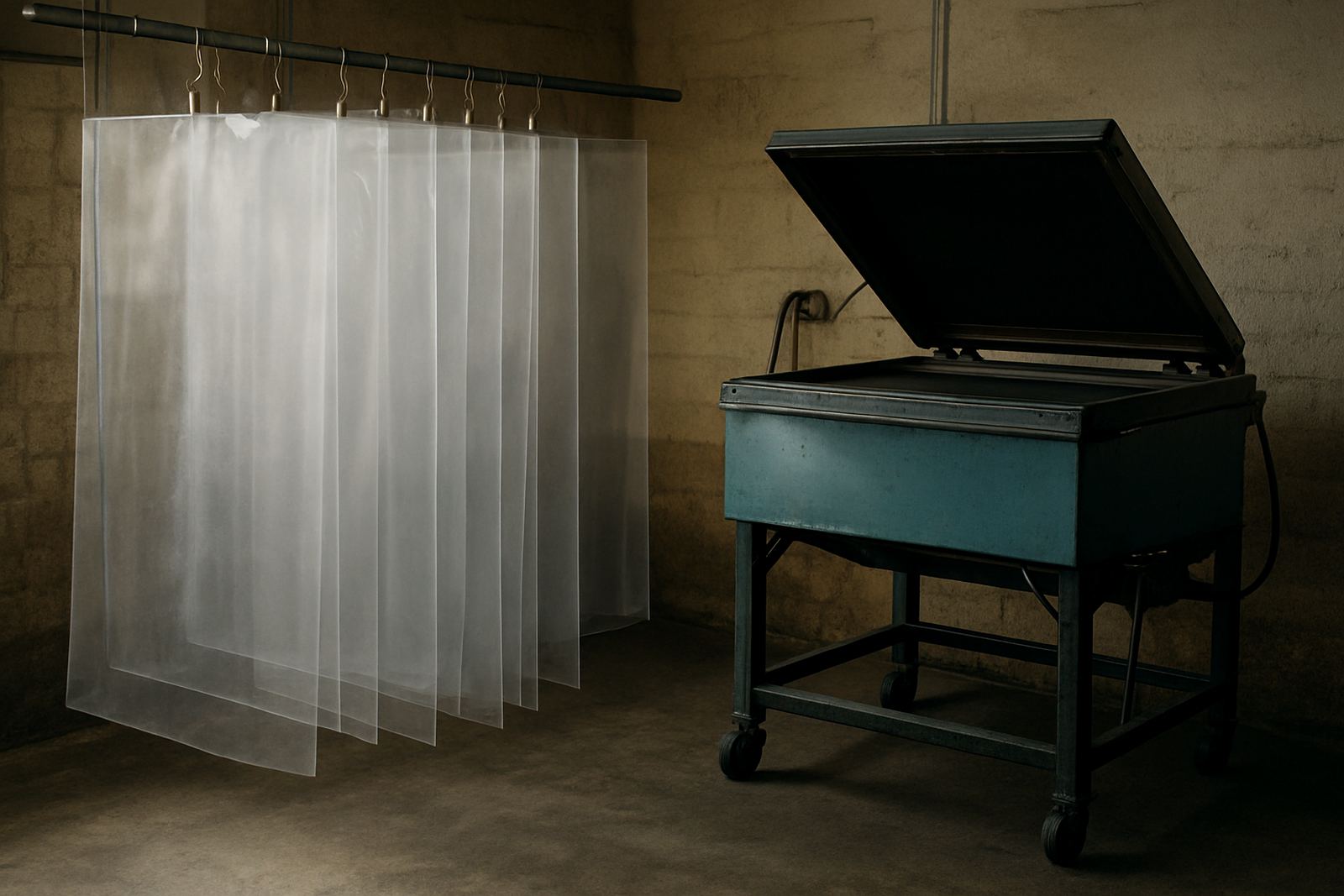
After cleaning, the coating is applied with steady pressure to keep the emulsion even across the mesh. The screen is then dried flat and protected from dust, heat and moisture. In Durban, that matters because warm air and sea humidity can upset drying times if screens are left in the wrong place. Once dry, the screen moves to exposure, then washout and touch-up if needed.
- Step 1: inspect and clean the mesh
- Step 2: apply the emulsion evenly
- Step 3: dry in the correct orientation
- Step 4: expose the screen with the approved artwork
- Step 5: wash out, inspect and touch up
Good coating is simple work when the process is steady, but it takes care. A rushed coating can show up later as stencil breakdown or patchy print edges. We prefer to get the prep right upfront so the screen is ready for production instead of causing delays mid-run.
Turnaround times for Durban and KZN orders
Turnaround depends on the number of screens, the mesh type and how complete the job is when it arrives. A straightforward coating and dry can often be handled quickly, while larger batches or screens needing reclaiming and rework will take longer. For urgent Durban orders, especially for school events, sports clubs or last-minute campaign work, we try to plan the coating sequence so the job moves through cleanly without hold-ups.
Clients in Umbilo, Durban Central, Berea, Westville, Pinetown, Amanzimtoti, Ballito and Pietermaritzburg can send work through for courier delivery or arrange collection where suitable. Because the screens are prepared in-house, we can coordinate coating with other prep tasks like frame reclaiming, screen stretching and registration checks. That helps when a customer needs several screens for the same run and wants them matched properly.
We also factor in drying conditions. If the weather is damp or the screen batch is large, allowing the correct dry time is better than forcing it. A properly dried screen exposes better and saves time later, which is the point of the service in the first place.
Pricing based on screen condition and print spec
Pricing for emulsion coating is based on the screen size, mesh count, number of screens and whether extra prep is needed before coating. A clean, ready screen is quicker to process than one that needs reclaiming, repair or additional cleaning. We price accordingly so you only pay for the work your job actually needs.
For repeat customers, schools, clubs and businesses with regular runs, we can quote for batches rather than one screen at a time. That makes it easier to plan artwork, screen prep and dispatch together. If the job includes fine detail, multiple colours or special print requirements, we may recommend a particular coating method so the stencil holds better and prints cleaner.
- Batch pricing available for multiple screens
- Additional prep charged only when needed
- Coating recommendations depend on mesh and artwork detail
- Quotes can cover full screen prep, not coating alone
We keep pricing practical and direct. The most expensive screen is the one that fails on press, so the aim is to give you a coating that supports the print spec from the start.
How to keep coated screens working for longer
Once a screen is coated and exposed, storage and handling matter. Keep it away from heat, moisture and dust, and do not stack screens face to face without protection. If screens are left in a hot vehicle or near a damp wall, the emulsion can soften or mark up before you have even started printing. That is especially relevant around the coast where humidity can affect storage over a weekend or holiday period.
For active print rooms, we recommend checking screens before each use and after long storage. A quick inspection for scratches, blocked mesh or damage around the image area can save a run. If a screen is being reused often, it is worth scheduling reclaiming and a fresh coat when the stencil starts to show wear. As a general guide, maintenance should be reviewed after each major run or when the print quality starts to drift.
- Store flat or upright in a dry, clean area
- Avoid heat and direct sun on coated mesh
- Check for pinholes and edge wear before every run
- Reclaim and recoating are best done before failure shows on press
If you need a screen prep partner in Durban that understands local turnaround pressures, load-shedding planning and practical print work, our Umbilo team can help. Use the enquiry form on our contact page and we will take it from there.
Key facts
| Typical mesh counts | From fine detail mesh to heavier textile print mesh, selected to suit the artwork and ink deposit |
|---|---|
| Coating method | Even single or double-sided emulsion coating, applied to clean and prepared mesh |
| Drying conditions | Dust-controlled drying with care taken for Durban heat and humidity |
| Compatible services | Artwork checking, vector redrawing, colour separation, film output, screen exposure and washout |
| Turnaround | Depends on screen count, mesh type and prep required, with urgent planning available where possible |
| Service area | Umbilo, Durban and KZN with courier delivery nationwide |