
Why proper screen stretching matters
Screen stretching is the foundation of a reliable screen print. If the mesh is loose, uneven or old, you get poor registration, blurred detail and ink pickup that changes from one print to the next. We stretch new mesh onto frames in-house so the screen is ready for stencil work, exposure and repeat use on the press.
For Durban printers working through heat, humidity and load-shedding interruptions, a stable screen saves time and waste. The mesh must hold tension, recover well after squeegee pressure and stay usable for repeated jobs, whether you are printing 20 T-shirts or a larger run for schools, clubs or business promotions.
We prepare screens for flat stock and garment work, with mesh selection matched to the job. Fine artwork needs a tighter mesh count, while bolder artwork and heavier inks need a different setup. That choice affects ink deposit, detail and speed on press.
What is included in our screen stretching service
Our screen stretching service covers the preparation of new mesh on suitable frames for screen printing work. We handle the practical steps that affect print quality, from checking the frame condition to stretching, fixing, trimming and final inspection. If a frame is not worth reusing, we will say so before time, because a tired frame can cost more in poor output than in a proper replacement.
We work with common screen sizes and can set up frames for garment printing, poster work and signage production. The end result is a screen that is ready for coating and exposure, with enough stability for clean stencil edges and consistent ink transfer. For many customers, this is also the right time to reclaim old frames and refresh the shop stock.
- Frame inspection and suitability check
- Mesh selection based on print purpose
- Stretching and secure fixing
- Trimming and final tension check
How the process works from frame to ready-to-print screen
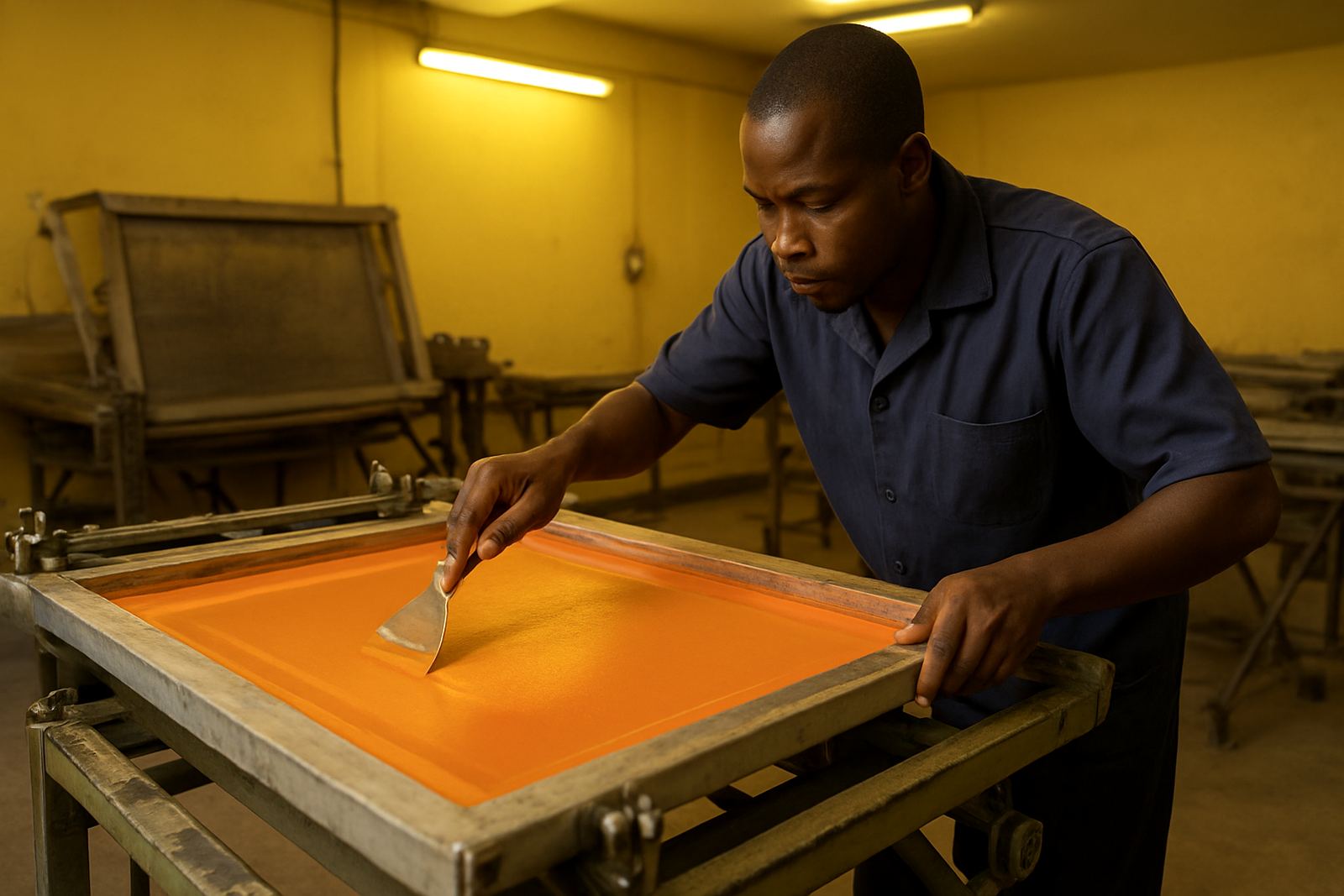
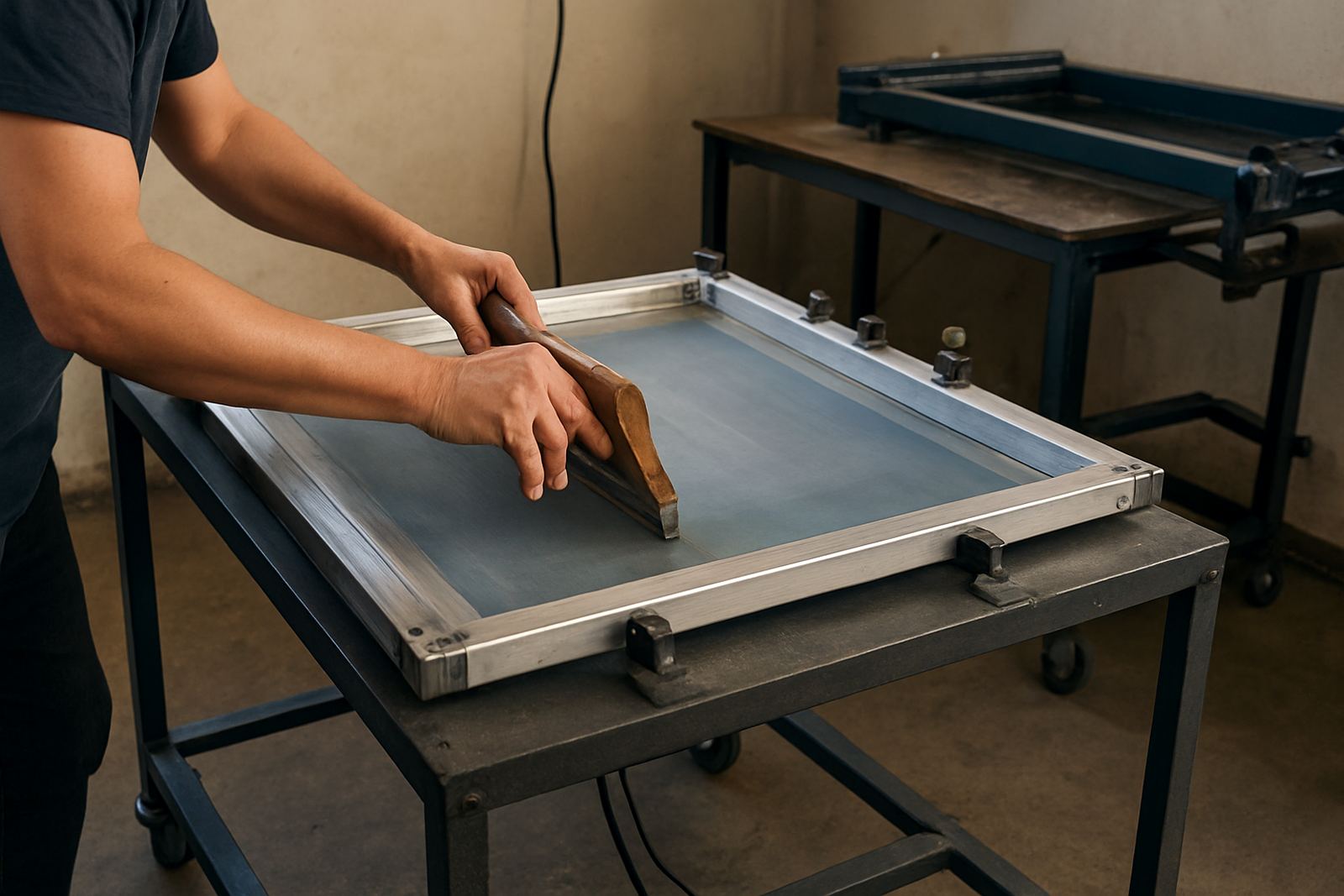
We keep the process straightforward. First, we look at the frame and the job requirement, then we choose the mesh count that suits the artwork and print surface. After that, the mesh is stretched and secured so the screen can handle coating and exposure without shifting or sagging. If the screen is going to be used for fine detail, we are careful about tension and alignment from the start.
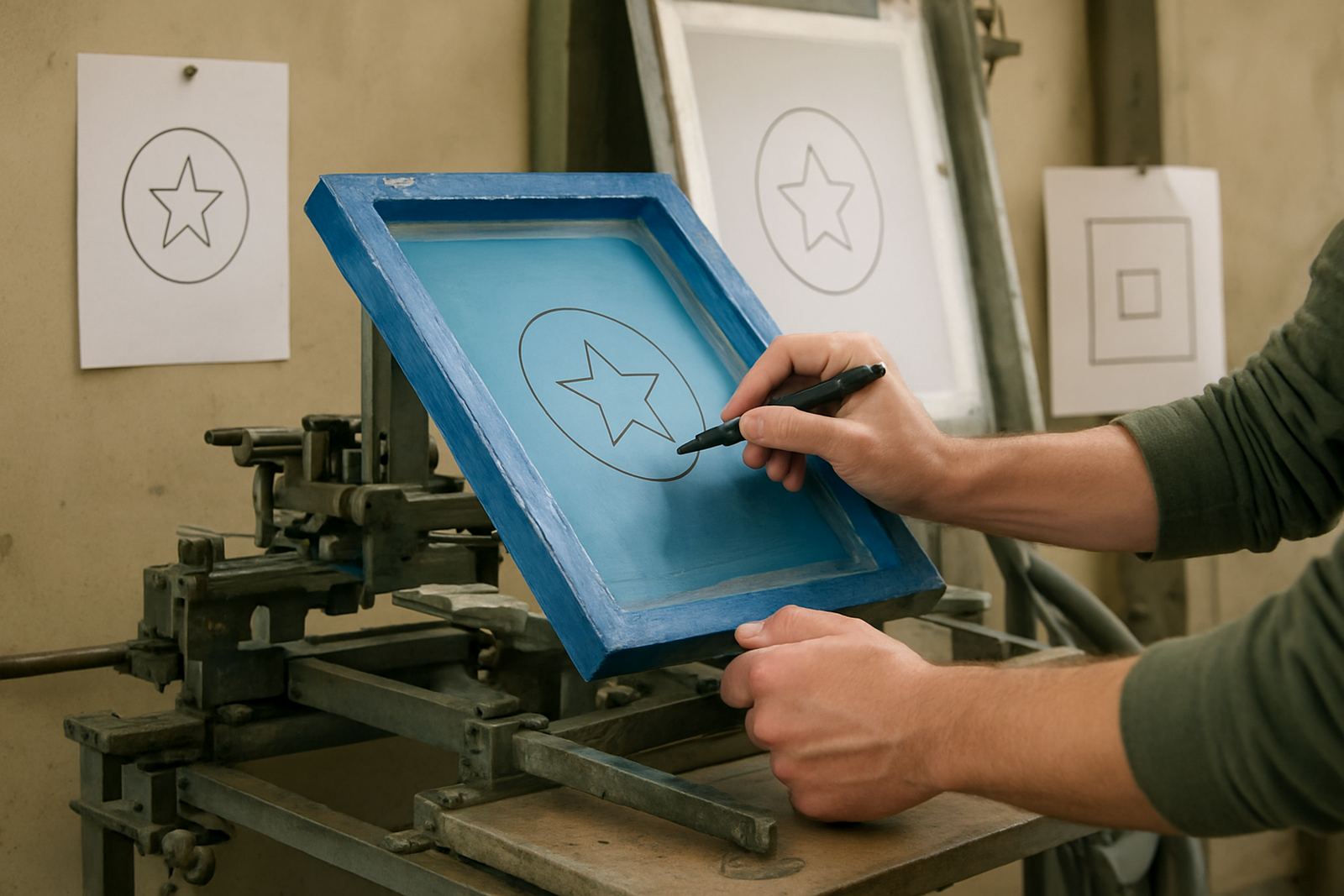
Once the screen is stretched, it moves into the next stage of production where coating, exposure, washout and touch-up can take place. Good stretching helps every step after it. A well-prepared screen exposes more evenly, develops cleaner open areas and usually prints with less rework. That matters when you have a deadline and a queue of orders on the press.
- Assess the frame and confirm the print requirement
- Select the mesh count and cut to size
- Stretch and secure the mesh on the frame
- Check tension, corners and overall finish
- Hand over for coating or production use
Typical specs we work to
Different jobs need different mesh counts and frame types. We do not force one setup for everything. Instead, we match the screen to the print method, the detail in the artwork and the ink volume needed. For textile work on T-shirts and caps, a medium to fine mesh is often used. For heavier coverage or bolder graphics, the mesh choice changes to suit the print.
Screen size also matters. Smaller frames are useful for caps and compact artwork, while larger frames support bigger garments, banners and signage work. In Durban conditions, frame strength and mesh tension are important because heat and humidity can affect storage and handling. We prepare screens with practical use in mind, not just for a single pass through the press.
- Mesh counts selected to suit fine detail or heavy ink deposit
- Frames prepared for garment printing, caps and signage
- Suitable for short runs and repeat production
- Built for local workshop conditions and frequent handling
Turnaround times and job planning
Turnaround depends on how many screens you need, the frame condition and what is already in production. Small orders can often move quickly, while bigger batches or jobs needing extra preparation may take longer. We always prefer to give a realistic time line rather than promise something rushed and leave you stuck at the press.
When planning work for schools, clubs and businesses, it helps to send artwork and job details early. That lets us check the screen requirements and prepare the right mesh without delay. If the order is part of a wider print job, screen stretching can be scheduled with artwork checking, colour separation and film output so the full process stays in step.
- Small jobs may be completed faster depending on queue and frame condition
- Batch work is planned around production volume
- Urgent requirements should be submitted with full job details
- Consistent repeat orders can be scheduled to reduce downtime
Pricing approach and maintenance intervals
Pricing is based on the screen size, mesh type, frame condition and the amount of preparation needed. A simple re-mesh is not priced the same as a screen that needs extra checking or frame work. We quote according to the actual job, which is fairer for customers and easier to budget around when you are pricing a print run.
Screen maintenance is not something to leave until the screen fails. In regular use, screens should be checked often for sagging mesh, damaged corners, blocked open areas and general wear. The interval depends on how often you print and how the screens are stored. A busy shop may need replacement or re-stretching sooner than a lighter operation. Keep screens clean, dry and away from direct sun and you get better life out of them.
- Pricing depends on frame size and mesh specification
- Condition of the frame affects total cost
- Maintenance checks should be routine for active screens
- Proper storage extends usable screen life
Key facts
| Service area | Umbilo, Durban and nationwide courier delivery |
|---|---|
| Typical use | T-shirts, caps, banners, signage and mixed screen printing |
| Mesh options | Selected to suit fine detail, standard garment work or heavier ink deposit |
| Frame suitability | New frames and reusable frames after inspection |
| Related services | Artwork Checking, Film Output, Screen Exposure, Washout and Touch-Up |
| Turnaround | Depends on order size, frame condition and production queue |