Start with the job the sign must do
Before you choose a rigid sign, work out the main purpose. Is it for a shop front in Umbilo, a school entrance in Westville, a club event in Pinetown, or a long term directional board on a boundary wall? A temporary board can do the job for a few weeks or months, but a longer term sign must hold colour, stay flat, and resist rain and sun.
At Screen Spectrum in Umbilo, we often help clients narrow the brief before any artwork is finalised. That includes checking viewing distance, fixing points, board size, and whether the sign must be read by people on foot or by drivers moving past at traffic speed. A neat sign with the wrong proportions can still be hard to read, so size and layout matter just as much as material.
- Short term use: promotions, events, launches, site notices
- Medium term use: school notices, business directions, special campaigns
- Long term use: permanent branding, boundary signs, exterior identity boards
- Check where the sign will face sun, rain, sea air, or strong wind
Pick the board type that suits the period of use
Temporary signage usually needs to be light, affordable, and quick to replace. It is often used for sales, one off events, or notices that change often. Longer term rigid signage needs better weather resistance and stronger fixing points. For KZN conditions, that usually means thinking carefully about warping, fading, and edge lift.
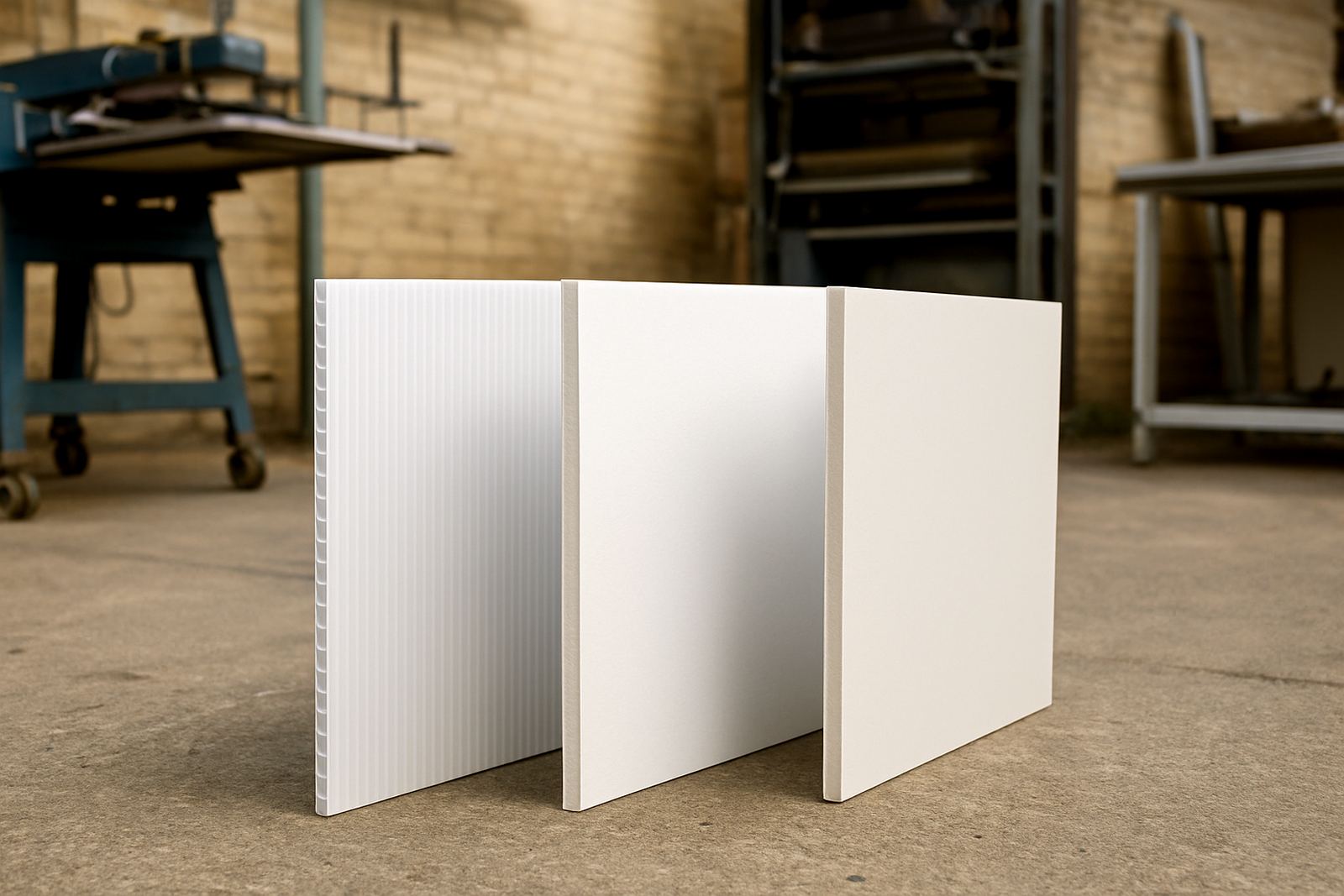
Foamed PVC, rigid plastic board, aluminium composite, and other sheet materials each have a place. A sheltered indoor sign has different needs to a wall sign outside a school gate in Durban Central or a business park in Ballito. If the board will sit near the coast, it may need extra care at the edges and a finish that can cope with humidity. For very large boards, jointing and support are also important so the sign does not bow over time.
- Ask how long the sign must last in real outdoor conditions
- Confirm if the board will be fixed to a wall, fence, stand or post
- Check if the sign needs to be moved later or stay in one place
- Choose a material that matches the budget and the exposure level
Get the artwork right before print or fabrication
Good sign boards start with clean artwork. Text needs enough space, logos must be clear, and colours should stay readable in bright sunlight. If the original artwork is low quality, we can help with artwork checking, vector redrawing, colour separation and film output before production starts. That avoids fuzzy lettering and helps the final sign look sharp from a distance.
For printed rigid signage, image resolution and edge detail matter. For cut vinyl or layered work, the shapes need to be precise so the finished board reads cleanly. We also check spelling, contact details, line spacing and sizes before moving into production. One small error on a sign can be costly, especially for a permanent board on a school or business frontage.
- Use the correct logo version and approved wording
- Keep important text large enough for the viewing distance
- Check colours against the intended background
- Confirm if the sign must include arrows, hours, or safety wording
Think through fixing, wind load and local conditions
In Durban and along the KZN coast, a sign must cope with heat, rain and gusty conditions. A board that is too large for its fixing points may crack, flex or pull loose over time. That is why the mounting method matters as much as the print itself. A temporary board might be cable tied, screwed or clamped into place, while a long term sign needs proper support and a solid fixing plan.
If the board is going onto a fence or hoarding, allow for movement. If it is on a wall, check the surface first. Rough plaster, painted brick, steel panels and timber all need different preparation. For areas with municipal rules or landlord limits, keep the size and projection within what is allowed, and make sure the sign does not block access, windows, or emergency exits.
- Measure the exact fixing area before ordering the sign
- Check for wind exposure, especially on corners and open sites
- Allow room for brackets, standoffs, screws or cable ties
- Ask whether the sign can be removed for maintenance later
Plan the production steps so there are no delays
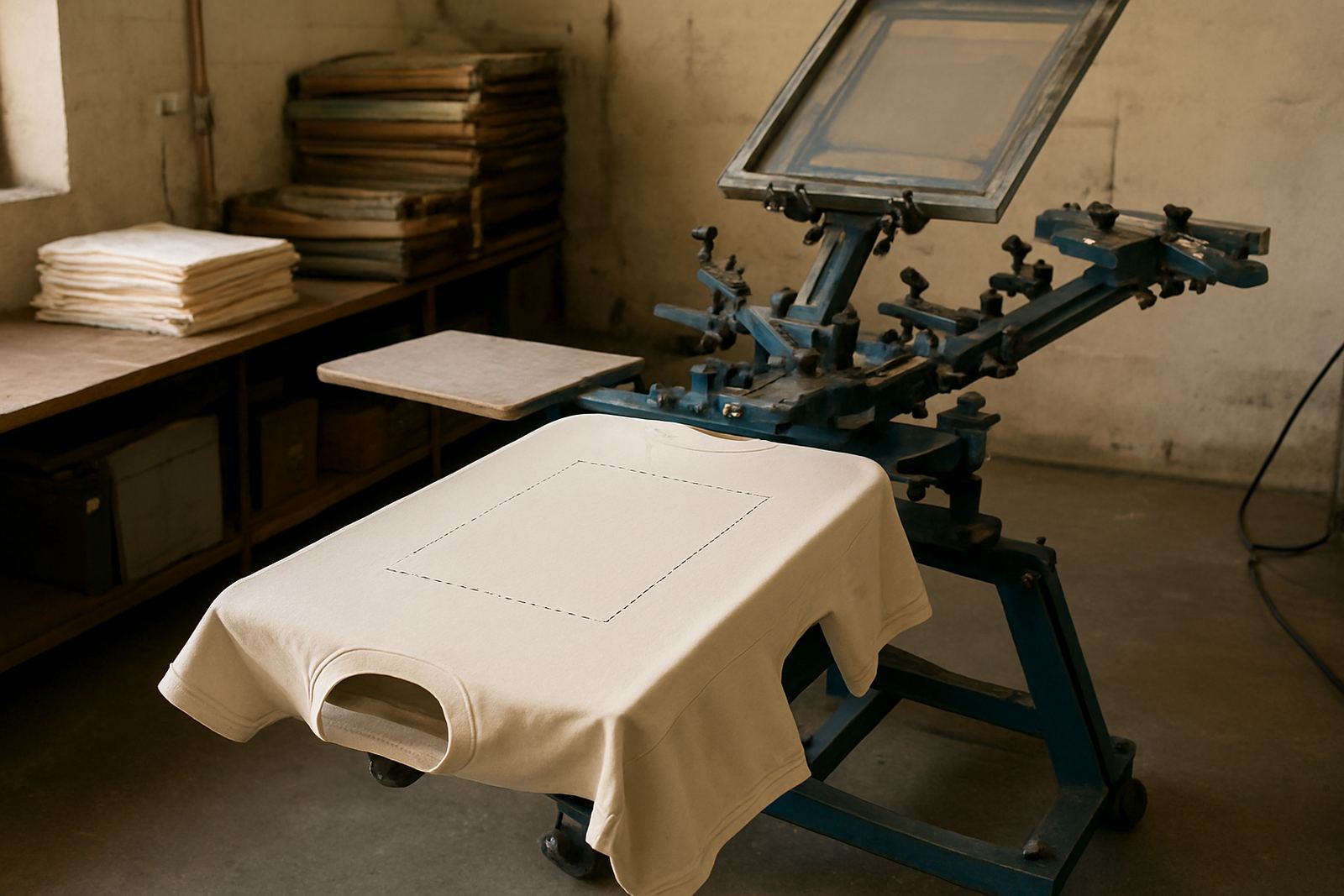
Once the brief is confirmed, production follows a clear sequence. The artwork is checked, any vector work or colour separation is done, and the output is prepared for the chosen method. For screen printed work, we handle in-house stencil and screen making, including screen stretching, frame reclaiming, emulsion coating, screen exposure, washout and touch-up, screen registration, test printing and screen storage. That helps keep control over quality and timing, even when the job is urgent.
For a busy school term, a club event, or a business opening, this step by step process matters. It reduces mistakes and lets us manage runs of any size, from a single notice board to repeat orders across several sites. We also arrange courier delivery nationwide, so clients outside Durban can still receive signs safely and on time. The dispatch team keeps track of each order from finishing to handover, which helps with multi site deliveries to places like Pietermaritzburg or Amanzimtoti.
- Confirm artwork approval before production starts
- Allow time for proofing, print, drying and finishing
- Plan delivery time if the sign is needed for a fixed opening date
- Keep a spare board or backup copy if the sign may need replacement later
Use a simple checklist before you place the order
A clear checklist saves time and avoids waste. It also helps you compare a temporary sign with a longer term rigid option in a practical way, rather than only looking at the price. A cheap board that fails after one rainy season can cost more in the end than a better made sign from the start.
Our team in Umbilo works with schools, clubs and businesses across Durban and KZN, and we often see the same issues: unclear sizes, missing approvals, or a sign that was made without enough thought for the site. If you are unsure, send through the details on the enquiry form on our contact page and we can help you choose the right board for the job.
- Where will the sign be installed, and for how long?
- Who must read it, and from what distance?
- Is the site exposed to sun, rain, wind or coastal humidity?
- Will the sign move, stay fixed, or need future updates?
- Has the artwork been checked for spelling, size and colour?