Start with the front panel, not the whole cap
When a cap is printed, the front panel is the main print area. That pannel gives you the clearest view once the cap is on a head, so logos, school initials and club names should be sized for that section first. A side logo or back strap mark can be added later, but the front panel carries the message.
We check whether the artwork will fit a flat or curved panel, and whether it needs to be reduced for a low profile cap or kept wider for a structured style. If the artwork is too fine, thin lines may close up during printing. That matters for small text, sports numbers and detailed crests where legibility is more important than packing in extra detail.
Choose the right cap style for the job
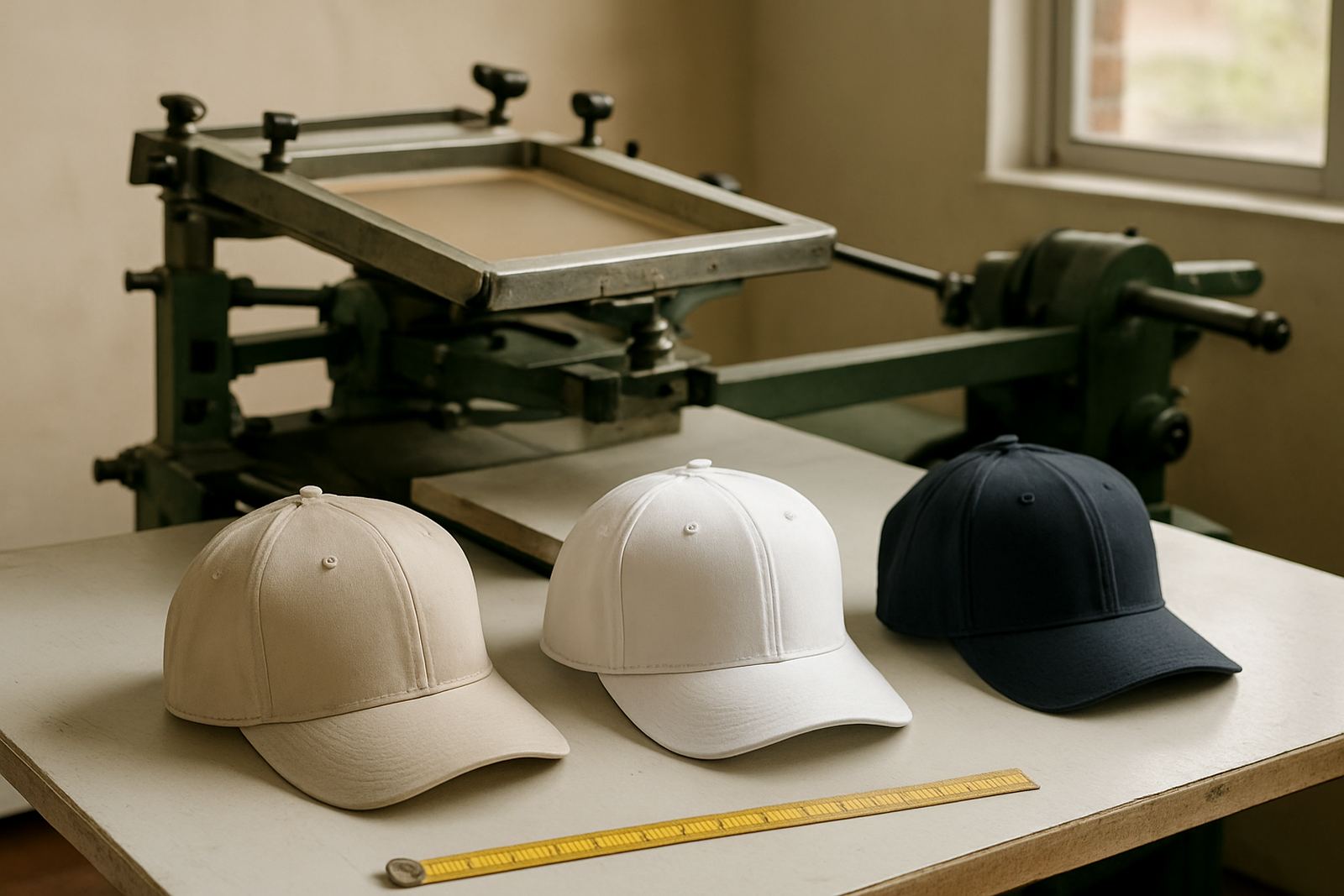
Not every cap behaves the same during printing. A structured cotton twill cap holds its shape well and usually gives a steady surface for the screen or digital print. Softer caps can move more under pressure, which means the print setup needs a bit more care. If the cap has a seam right through the front, the artwork must be planned around that line.
- Structured caps: better for sharper front panel prints and repeated runs.
- Unstructured caps: more flexible, but the print area may shift.
- Peak shape: a curved peak can change how the cap sits in the press.
- Colour of cap: dark caps often need stronger colour choices for clear contrast.
For schools and clubs in Durban, we often see black, navy, grey and white caps going out for events, team wear and staff use. If the cap colour is close to the print colour, the artwork can disappear from a distance, especially outdoors in bright KZN sun.
Work out quantities before you choose the print method
Quantity changes the whole job. A small run for a golf day or a birthday team order may need a faster setup, while larger runs for schools, church groups or company promotions can make better use of screens and repeat settings. If you only need 10 to 20 caps, the artwork may be handled differently from a 100 piece run.
Screen printing is often useful when the same logo goes onto many caps, especially with a single or two colour design. Digital print can help when the artwork has fine detail or a more detailed colour build. The best option depends on quantity, the number of colours, and how long the caps need to last with regular wear and washing.
- Low quantities: ask for the most practical setup, not just the cheapest quote.
- Medium runs: keep the logo simple so production stays consistent.
- Larger runs: confirm the same cap style and colour for every piece.
Prepare artwork so the print comes out clean
Good artwork saves time in production. We check files before printing and, where needed, we redraw logos in vector format, separate colours and set up film output for screen making. That helps with crisp edges and better registration, especially when the job has text under the logo or a tight border around the mark.
For cap prints, small details are the main risk. Fine shading, tiny lettering and thin outlines can disappear once they are reduced to fit the front panel. A simple, bold file usually gives a better end result. If the artwork is supplied as a low resolution image, it may need adjustment before it can be used properly on caps.
- Send a clear logo file if you have one.
- Keep text large enough to read at arm’s length.
- Use solid colours where possible.
- Tell us if the print must match existing school or club colours.
Understand the production steps from screen to cap
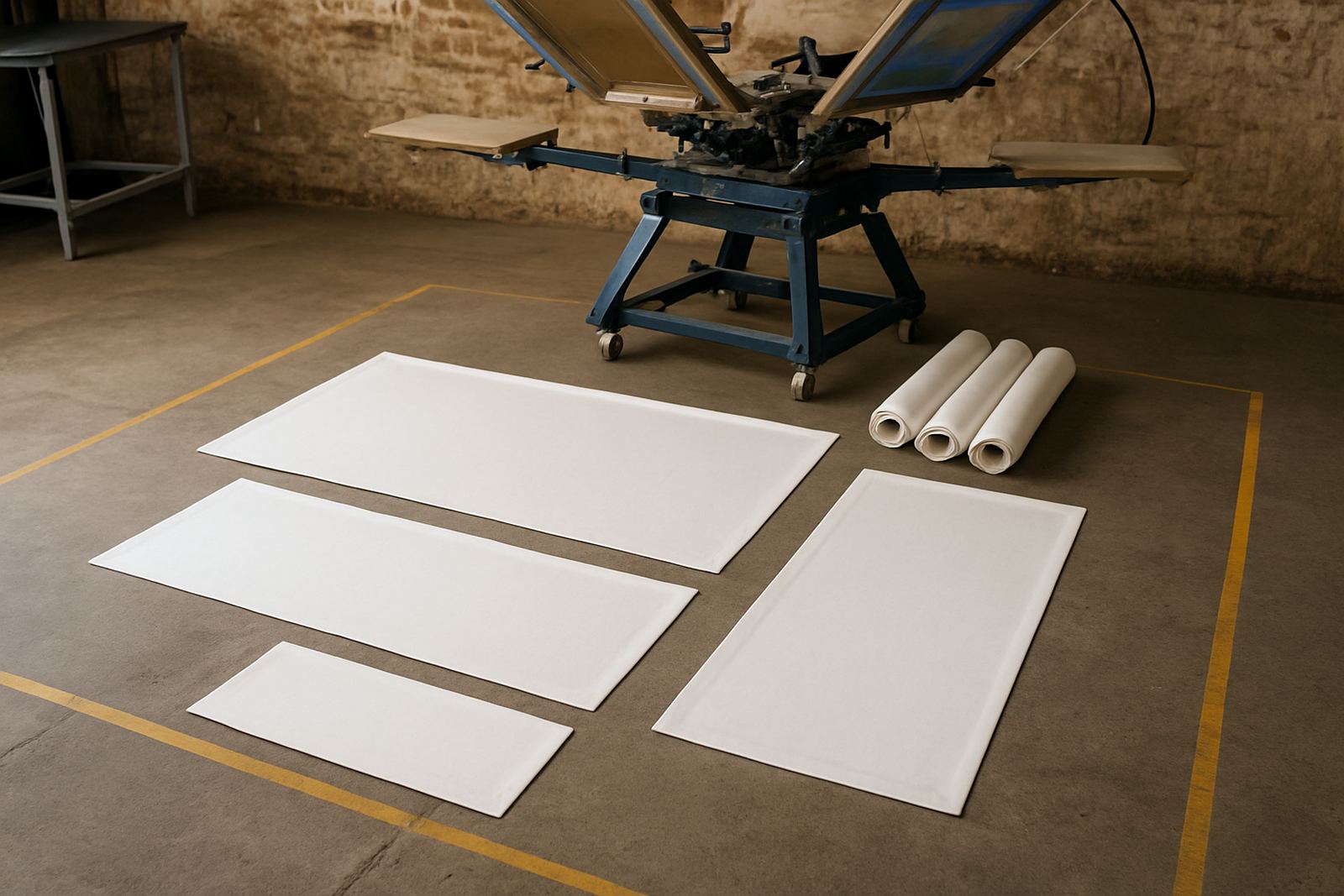
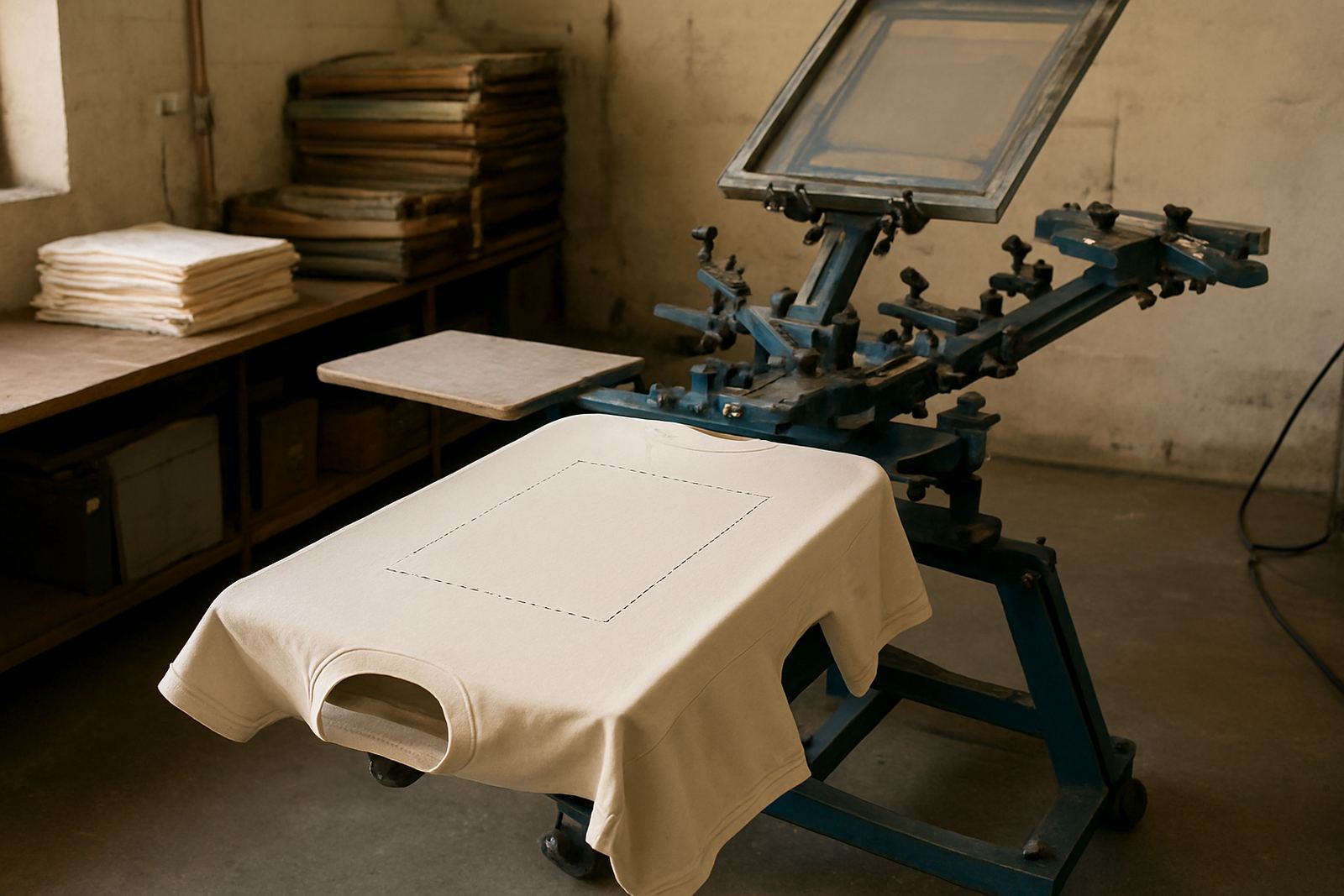
Screen cap printing is a hands-on process. It starts with screen stretching, emulsion coating and exposure, then washout and touch-up so the stencil is ready. After that, screen registration and test printing help us line up the image before the main run begins. If the job needs more than one colour, each layer must register correctly or the print will drift.
We also handle frame reclaiming and screen storage for repeat orders, which is useful when a school or business returns for more stock later in the term. That saves time and helps keep the artwork ready for the next run. In Durban’s humidity, proper screen care matters, because damp conditions can affect drying and storage if the screens are not handled carefully.
Before you place the order, use this checklist
A simple check at the start prevents delays later on. It also helps you decide whether the order is for a quick promo run or a more formal staff issue piece. For KZN schools, clubs and businesses, the main questions are usually the same.
- How many caps do you need?
- What is the cap colour and style?
- Will the print go on the front panel only?
- Is the logo ready, or does it need artwork checking?
- Do you need a single colour print or multiple colours?
- Is the order for one event, or for repeat use over time?
- Do you need courier delivery outside Durban?
If you are not sure about any of the above, send the details through the enquiry form on our contact page. We can help you match the artwork to the cap and advise on what will print best for the size and quantity you need. That way the final cap print is practical, readable and ready for wear.