
Start With the Delivery Type and Finish Date
Before we pack anything, decide what needs to go out, where it is going and when it must arrive. A school order for Durban Central may need a different handover plan from a club order going to Ballito or a business drop going to Pinetown. If the job is for a launch, tournament, staff issue or year-end function, tell us the target date as early as possible so we can work backwards from print, curing, packing and collection.
For urgent work, the deadline should be stated in plain language. Say whether the order must be ready for collection in Umbilo, delivered within Durban, or sent by courier to another province. If you need items split across more than one venue, list each destination separately. That helps us avoid confusion when the order contains shirts, caps, banners and signage in the same batch.
- State the event date, not only the day you need to collect.
- Confirm whether the delivery is local, regional or nationwide.
- Tell us if the order must be packed in separate cartons for different people.
- Flag any items that must arrive before a set time, such as an opening or match kickoff.
Use a Full Address That Can Be Delivered To
A delivery address should be complete enough for a driver or courier to find it without calling back for more details. Include the street name, number, suburb, town or city, building name if there is one, and any access instructions. In Durban and surrounding areas, that can mean a workshop gate, school reception, security boom, or back entrance used for goods receiving. The clearer the address, the less likely there will be delays at busy times or during load-shedding when security staff are working with backup systems.
If the address is a school, church, club, municipal office or industrial site, add the department or person who must sign for the parcel. For apartment blocks or business parks, give the unit number and the contact point at reception. If the site has limited truck access or requires loading bay booking, let us know before dispatch so the packing can suit the drop-off point.
- Give the suburb and town, not only the street name.
- Add the name of the recipient or department.
- Include gate codes, security rules or receiving hours.
- State if there is no on-site parking for a delivery vehicle.
Share Contact Details for the Person Receiving the Goods
Every delivery should have one clear receiver, even if the order was placed by someone else. The receiving person should know what is coming, how many cartons to expect, and whether the goods are being delivered or collected. This is especially important when the order goes to different people in the same company or school. If the receiver changes after the order is packed, send the updated name through the enquiry form on our contact page so dispatch can update the note before handover.
For courier work, make sure the receiving person can answer promptly if the driver needs help with access or proof of delivery. For local Durban deliveries, it helps if there is someone on site during the agreed window. If nobody can sign, tell us who may sign on your behalf. That avoids parcels being left at the wrong office or held over for another run.
Prepare the Artwork and Print Details Before Dispatch Day
Good delivery planning starts before packing, because the finished goods should match the approved artwork and quantity. If a job still needs artwork checking, vector redrawing, colour separation or film output, build that into the timetable first. Screen work also needs time for screen stretching, emulsion coating, exposure, washout and touch-up, then registration and test printing before full production starts. A tight deadline can still be handled, but the job needs realistic lead time if the print run is large or the garment sizes are mixed.
If the order includes multiple print positions, colour changes or different item types, please confirm the final order before dispatch. Changes after production has started can affect packing and the route plan. It also helps to note if the goods must stay flat, remain on hangers, or be wrapped separately so the artwork does not rub during transit.
- Confirm the final artwork layout before print approval.
- List sizes, quantities and colour choices clearly.
- Tell us if the order contains samples, reprints or additions.
- Note any items that must be kept apart for different recipients.
Choose the Right Packing for Weather and Travel
Durban humidity, coastal air and long-distance courier handling all affect how printed goods should be packed. Shirts and caps should be packed so they stay clean and dry. Banners and signage need protection from creasing, scuffing and moisture, especially if they are travelling to inland towns or sitting in a depot overnight. During rainy weeks or high humidity, we may add extra wrapping or stronger outer cartons to help keep the order in good condition.
If your delivery is going to a school, club or business that opens early, consider whether the parcel will be left in a storeroom, reception or guard hut. Tell us if the destination has limited storage space, because that can affect carton size and labelling. For bigger orders, we may split the pack so it is easier to carry and count on arrival. That makes handover quicker and helps avoid damage from lifting one very heavy box.
Use a Simple Dispatch Checklist Before the Parcel Leaves Umbilo
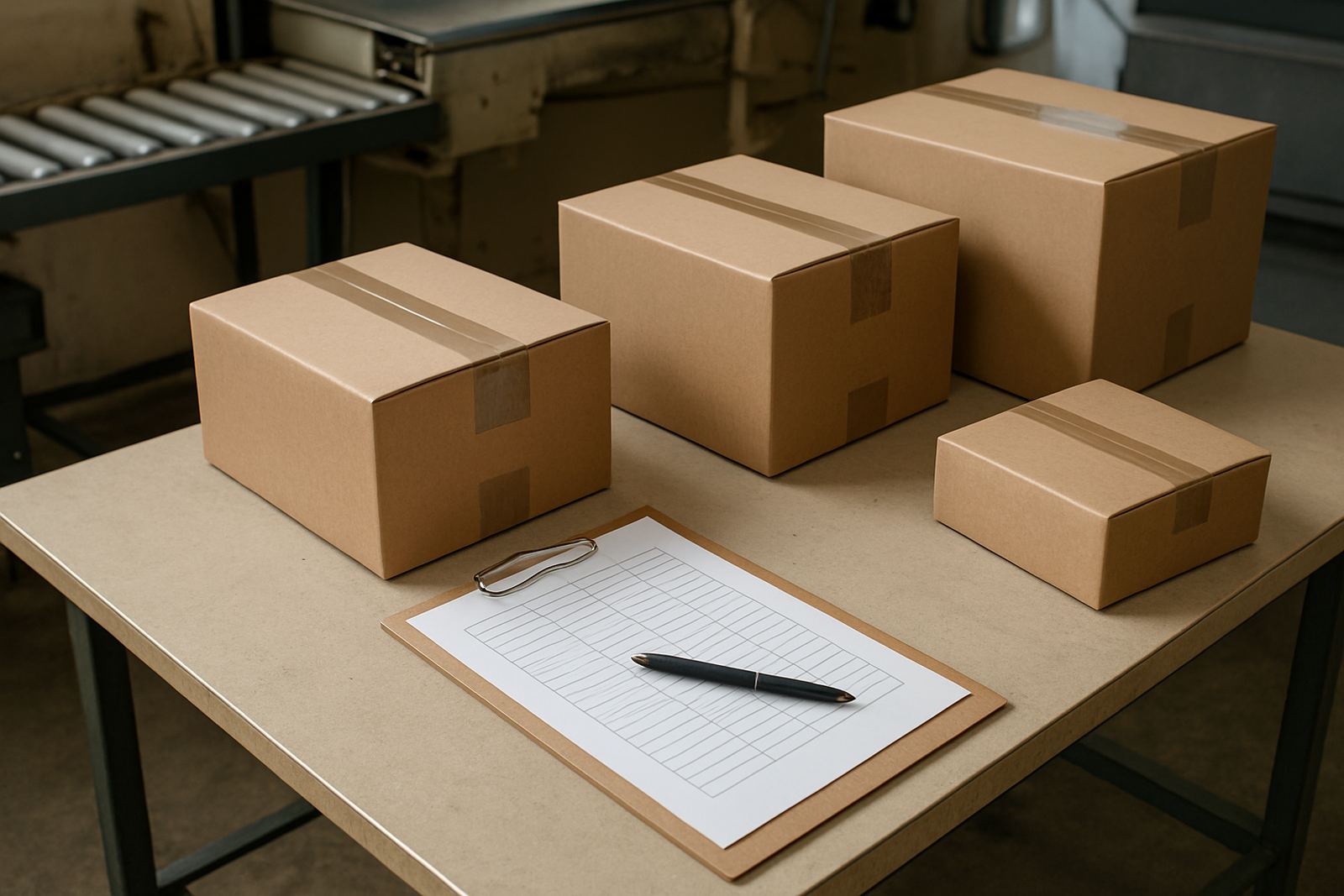
Before dispatch, a short checklist saves time at the receiving end. We use it to make sure the right item, quantity and destination are linked together. It also helps when one order includes several service types such as printed garments, screen work, spare stencils or a mix of branded items for different locations. If anything needs special handling, say so up front rather than after the van has left.
- Full delivery address and suburb
- Recipient name and contact person
- Delivery date or collection date
- Order reference or job name
- Special access instructions
- Any split deliveries or separate cartons
- Notes about fragile, flat or weather-sensitive items
Once the checklist is complete, dispatch can plan the handover with fewer calls back and forth. That matters when jobs are moving between Umbilo, Durban Central, Berea, Westville, Pinetown, Amanzimtoti, Ballito and Pietermaritzburg, or when the parcel is leaving KZN altogether. Clear details also help if there is a delay at the receiving site or a change in gate access.
What to Do If the Address or Deadline Changes
Changes happen, but they should be sent as soon as possible. If the delivery address changes after the goods are packed, the labels may need to be updated and the route reworked. If the deadline moves forward, tell us immediately so we can check whether the job can still leave in time without rushing the print or the finish. Last-minute changes are easier to handle when the order is small, but bigger runs need a little more notice.
When you send an update, keep it simple and specific. State what has changed, what stays the same and who is now receiving the order. That reduces the risk of one parcel going to the old address while the rest goes elsewhere. If you are not sure whether a change will affect dispatch, use the enquiry form on our contact page and give the new details in one message.