
Why the last 5 cm matters after printing
Good printwork can still fall short if the care label is unclear or the pack is messy. In a busy storeroom, on a shop floor or at a school sports office, people need to know what the item is, how to wash it and how to sort it fast. That is why the final stage of a job should be planned with the same care as the print itself.
For Umbilo businesses serving Durban, the details matter even more because many orders move between sites, drivers, event teams and buyers. A clean pack with the right label cuts down on queries, returns and mix-ups. It also helps when a customer is sending stock to Pietermaritzburg, Ballito or a school in the Midlands and wants every parcel counted before it leaves.
What a proper care label should tell the user
A care label must be easy to read and practical. It should answer the questions people ask most often: what the garment is made for, how to wash it, how to dry it, and whether it can be ironed. If an item has print on the front, back or sleeve, the label should also warn against direct ironing over the print.
- Garment name or item type
- Size or size range
- Wash temperature and cycle notes
- Ironing guidance, including printed areas
- Drying advice for heat-sensitive fabrics
- Any special handling instructions for coastal humidity or heavy wear
For clubs and schools, a simple label often works best. For retail packaging, a fuller label may be needed with care icons or plain text. If the order includes mixed items, separate labels help staff keep track of sizes and colours without opening every pack.
Packaging that protects print and presentation
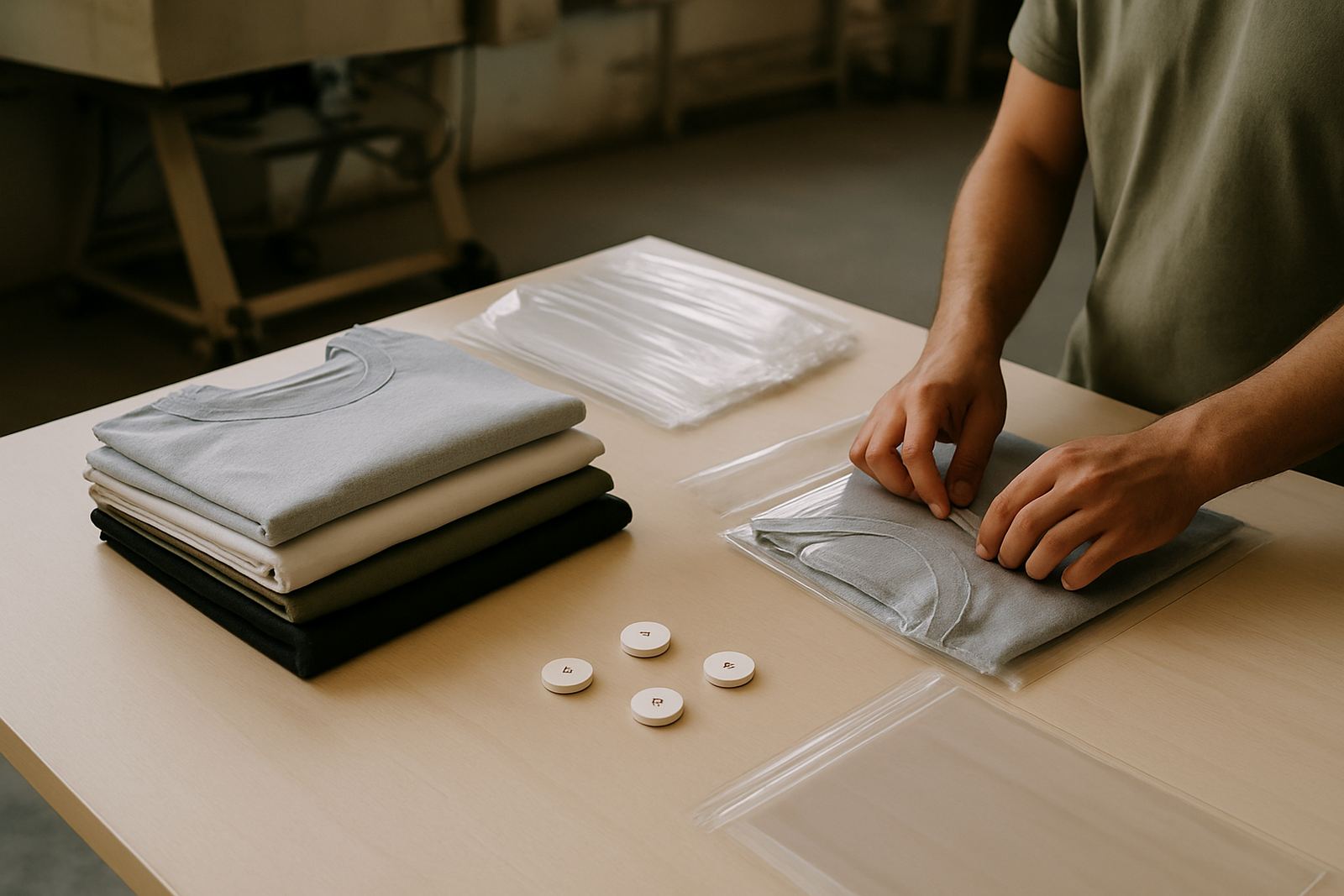
Packaging is not just about looking tidy. It has to protect the print from rubbing, moisture and dirt, especially when stock is moving through Durban in warm, humid weather. Items packed too tightly can crease or mark the print, while loose items can shift and scuff during courier transit.
We normally look at how the order will be handled after dispatch. A bulk school order going to Durban Central for distribution needs different packing from a small club run going to Amanzimtoti. If the parcels are moving through depots, they need clear outer labels and a strong seal so the contents stay sorted. If the order is heading to a game day or a promotions team, easy-open packaging may be more useful than over-tight wrapping.
- Keep printed faces separated where possible
- Use outer labels that are legible from arm’s length
- Seal parcels so dust and moisture stay out
- Pack by size, colour or department when needed
- Include spare items or extras in a clearly marked inner pack
Matching labels to the job type
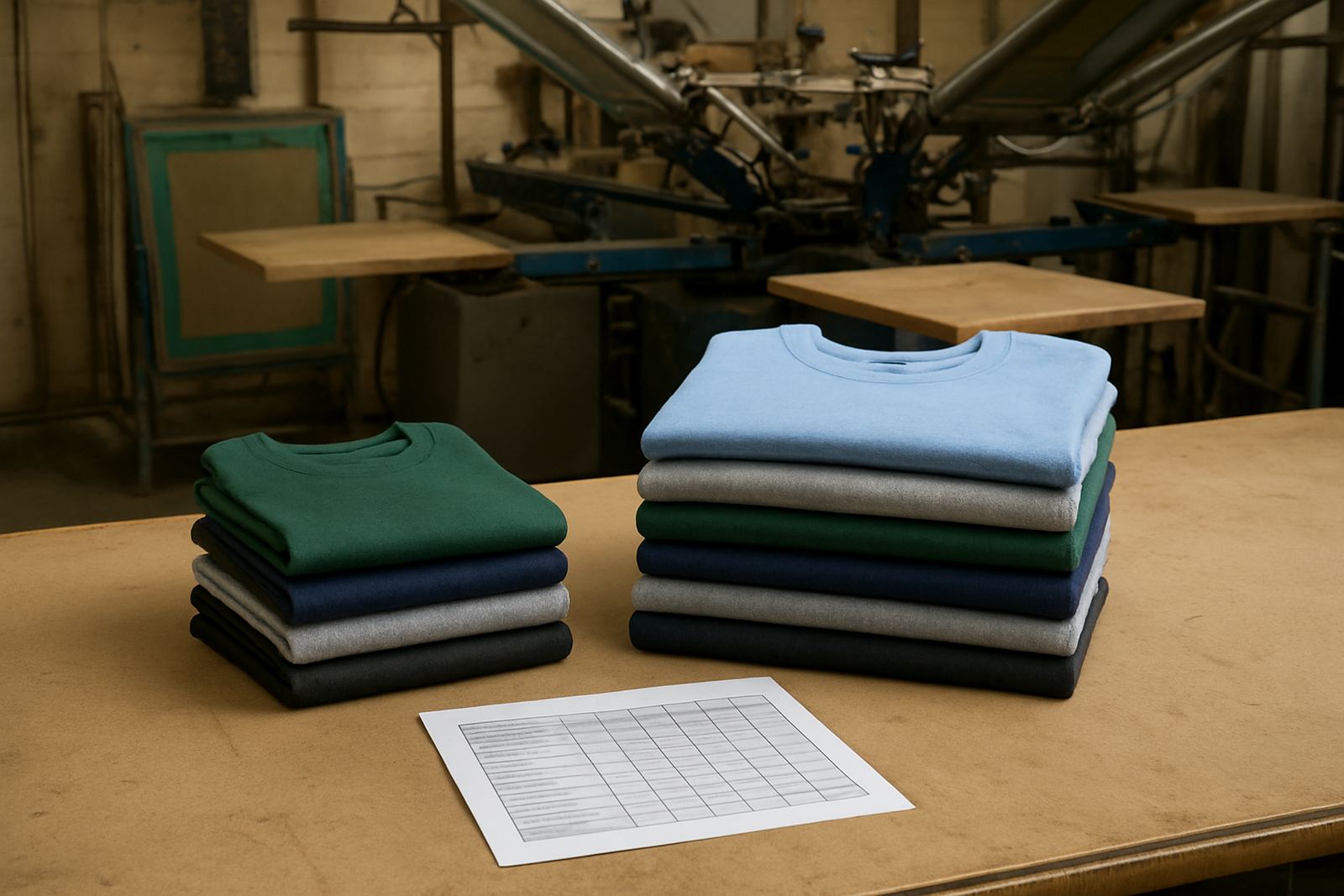
Not every order needs the same finishing spec. A T-shirt run for a school fundraiser may only need a basic wash note and size sticker. A corporate order for staff uniforms may need item counts, department splits and a neat folded finish. Caps, banners and signage all need their own pack logic as well, because the storage and handover points are different.
For example, a Westville company ordering branded tees and caps for a team launch may want each bundle packed together by person. That makes issue day easier and reduces confusion at reception. A Pinetown factory ordering workwear for the warehouse may prefer packs grouped by size, with clear labels for the store room. The goal is simple: make the next step quicker for the person handling the goods.
- Schools: sort by house, grade or team
- Clubs: sort by player name, size or squad
- Businesses: sort by department, branch or staff list
- Events: sort by day, venue or distribution table
How to avoid mistakes before packing starts
Most packaging problems begin earlier in the process. If artwork is not checked properly, if sizes are not confirmed, or if a colour list changes after production has started, the final packs may all look neat but still be wrong. That is why artwork checking, colour separation and test printing still matter when the job is heading toward pack-out.
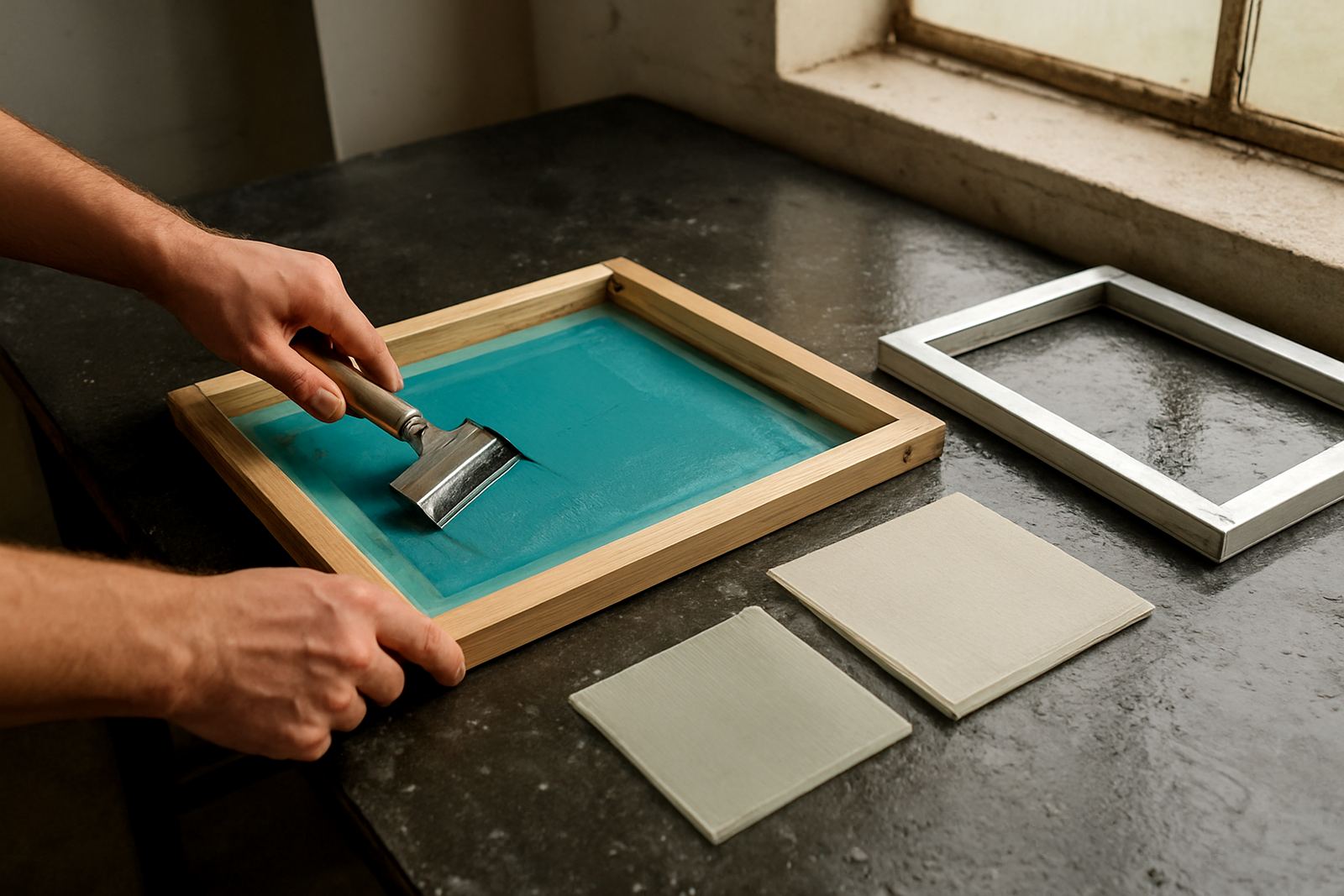
Screen Spectrum handles in-house stencil and screen making, so orders can move from approval to print and then into finishing without long delays. That helps when a client in Durban needs a quick reprint for a school event or a coastal club needs extras after a late headcount. The printing may be the visible part, but the handover only works when the count, size split and label details are right first.
- Confirm the final wording on labels before production
- Check size charts against the actual stock
- Allow for garment shrinkage on cotton items
- Separate reprints from the main pack so they do not get mixed in
A practical Durban example from quote to handover
Think about a school in Berea ordering shirts for a fundraiser and caps for volunteers. The order needs to travel from Umbilo to the school office, then out to different staff members and parent helpers. If the shirts are packed without size markers, the distribution table becomes slow and someone always ends up opening every packet to check. With the right label on each bundle, the handover is faster and the stockroom stays calmer.
In Durban, weather can affect pack quality too. On humid days, packed items should be fully dry before sealing, otherwise the inside of the packet can pick up moisture. For courier work across KZN or beyond the province, that extra drying time and a clean fold make a big difference. It sounds minor, but it saves a lot of packing complaints later on. The small details matter more than people think, especially when the goods are going straight to buyers.
What clients should send with a packaging brief
A clear brief helps us prepare the right care labels and pack style for each order. The more specific the instructions, the easier it is to issue the stock exactly as needed. That is especially helpful when an order is split across branches or when the same job has to reach different towns in one dispatch.
- Final item list and quantities
- Size split per item
- Any folding or bagging preference
- Whether parcels must be sorted by name, branch or department
- Destination list for courier delivery
- Special handling notes for moisture, heat or storage
If the order is for a business, school or club, the best packaging is usually the one that makes issue day simple. Clear labels, sensible grouping and tidy packs save time at the other end, and that is often what people remember most.