Start With One Clear Message
Most event shirts work best when they carry one main message and one support detail. That might be a school name plus a grade group, a walkathon theme plus the date, or a launch slogan with the company name. When too much text is squeezed onto the front, people stop reading it from a distance and the shirt loses its purpose.
In Durban, where events often happen outdoors and people move between shade, sun and busy walkways, the front of the shirt should be readable from a few metres away. Use a short headline, then put the finer details on the back, sleeve or hem if needed. That approach also makes approval easier when you are ordering for a whole group and need the design to suit different ages and sizes.
For school days and club events, the safest layout is usually a centred chest print with a bold line of text and a simple graphic above or below it. If the shirt is for staff or volunteers, a smaller logo on the chest and a larger message on the back can help with identification. Keep the wording short, and the artwork clean it works best when the shirt has one job only.
Choose Sizes, Placement and Colour That Print Well
Placement makes a bigger difference than many people expect. A design that looks balanced on a size small can sit too high or too low on an extra-large shirt if the layout was not checked properly. Before printing, it helps to decide where the design should sit on the chest, how large the back print should be, and whether children’s sizes need a reduced version.
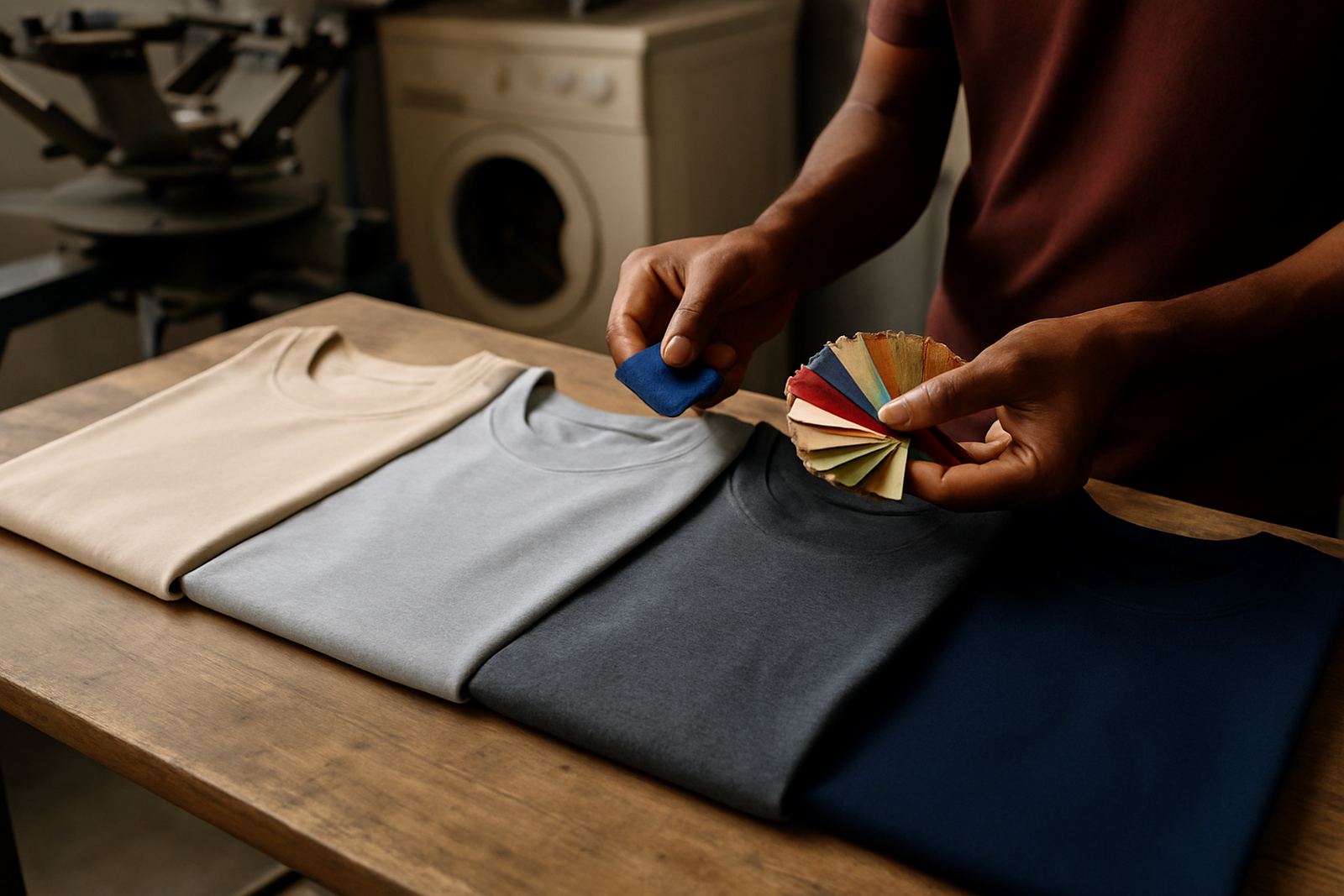
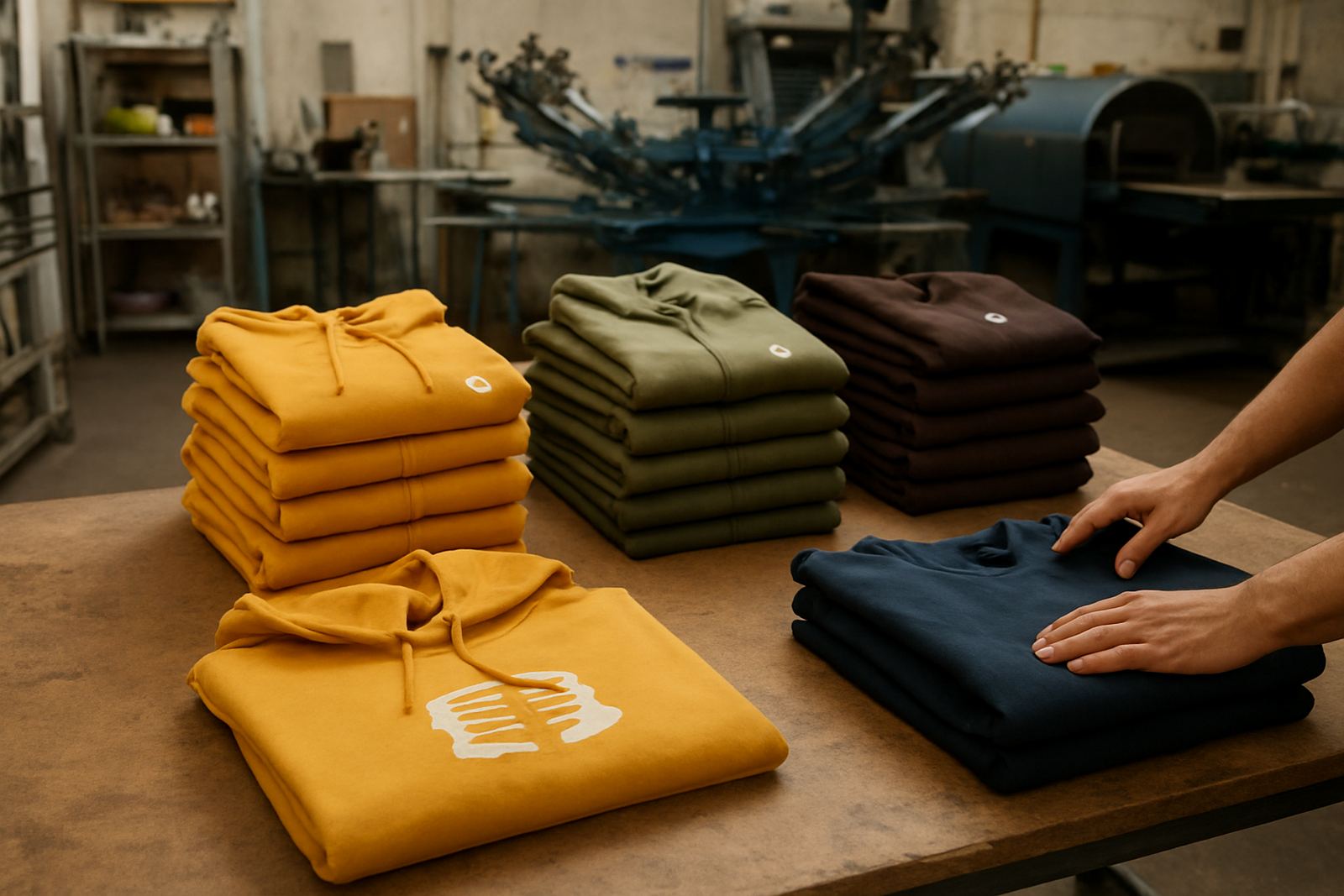
Colour choice matters too. On light shirts, dark ink gives the strongest contrast. On dark shirts, white or bright ink is usually easier to read. If the event is for a sports day, school function or outdoor launch, avoid soft pastel shades for the main message because they fade visually in bright light. Coastal humidity in Durban can also affect how shirts are stored before the event, so it is sensible to keep the garment colour and ink combination simple and stable.
- Use one strong background colour for the shirt if the group wants a uniform look.
- Keep the main text large enough to read from across a field or parking area.
- Allow space around logos so the print does not feel cramped.
- Check how the design sits on different shirt sizes before final approval.
Match the Layout to the Type of Event
Different events need different shirt layouts. A walkathon shirt often benefits from a bold front message and a sponsor line on the back. A product launch may need a cleaner corporate look, with the company name on the chest and a simple callout on the sleeve. School days usually need something cheerful and easy for learners and staff to wear all day, without heavy ink coverage that makes the shirt feel hot.
For charity events, sponsors often ask for visibility but the shirt still needs to look tidy. In that case, place the biggest sponsor mark where it supports the event rather than takes over the whole shirt. For launches in Durban central or Berea, where photographs are common, a neat front print and a well-placed back message can look better in pictures than a crowded design. If the event is happening in a hall, on a sports field, or around a shopping area, think about what people will see first and design for that view.
- Walkathon: simple front logo, route or date on the back.
- School day: bright central artwork, easy-to-read name or theme.
- Corporate launch: clean chest print with a formal back message.
- Club event: group name on the front, member role or number on the back.
Keep the Artwork Print Ready
Good artwork saves time and avoids delays before an event. If a logo is blurry, stretched or taken from a low quality image, the final print will show those problems clearly. Clean files, proper spacing and correct colours make a noticeable difference, especially when the order includes different shirt sizes or several print positions. Artwork checking helps catch problems before screens are made or digital output starts.
For screen printing, solid shapes and clear lines are easier to reproduce than tiny detail. If a logo has fine text, thin borders or very small symbols, it may need vector redrawing so the edges stay sharp. Colour separation is important when the design uses more than one ink colour, while film output and screen exposure need the artwork to be set up properly from the start. Small changes at this stage can prevent costly mistakes later.
For event organisers working on a tighter budget, it can help to simplify the design instead of forcing too many colours into one shirt. A strong two-colour print often looks better than a busy four-colour version that is hard to apply consistently across a larger run. Screen registration and test printing also matter when the design has multiple elements, because alignment problems become obvious once the shirts start moving through production.
Plan for Quantity, Timing and Last Minute Changes
Event shirts often need to be ready for a fixed date, which means the production schedule matters just as much as the design. It helps to confirm the final quantity early, because a small run for a family fun day is handled differently from a school order or a corporate launch with staff, volunteers and sponsors. If the group is growing fast, leave a little room in the plan for extra shirts in case more people sign up.
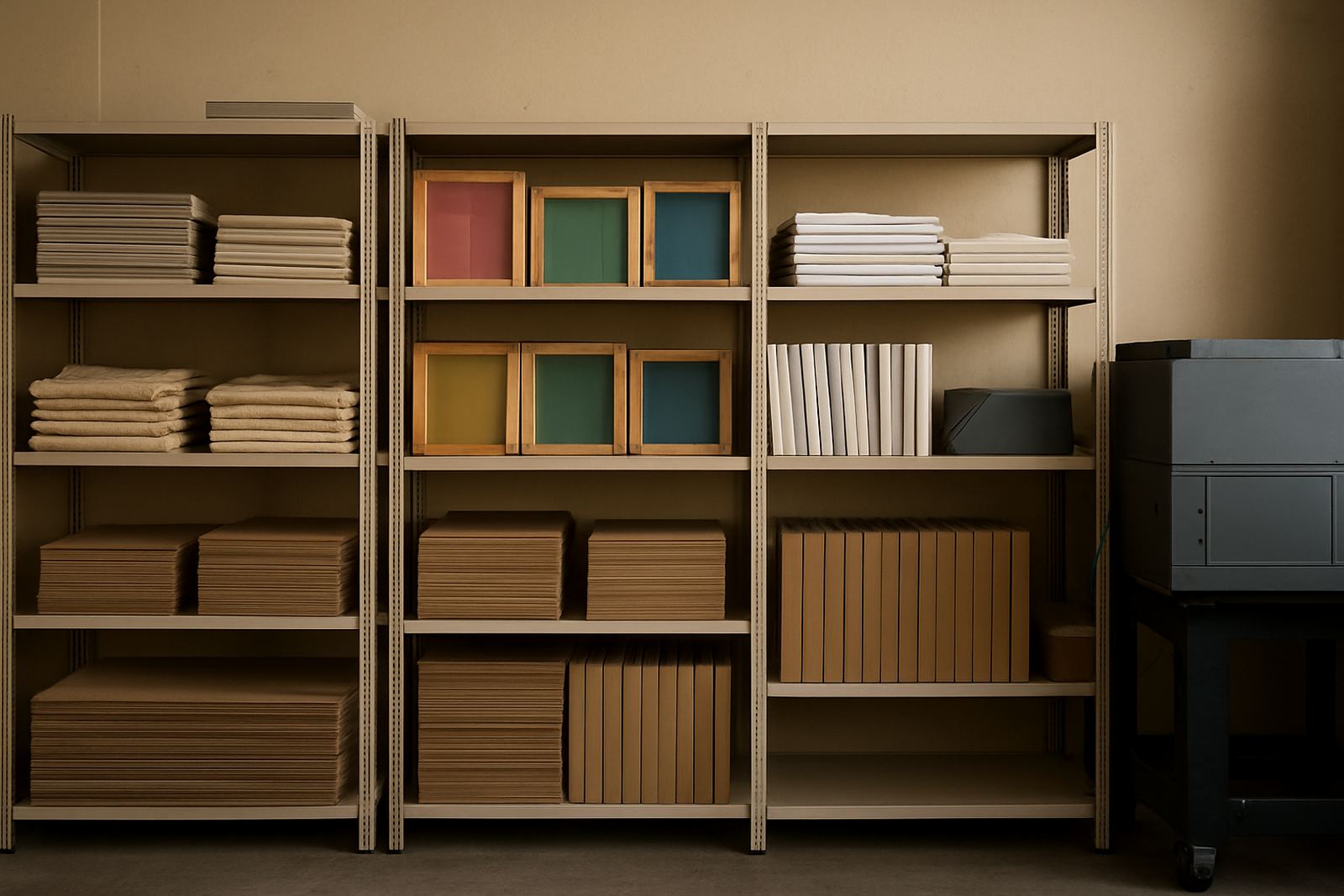
In KZN, load-shedding, courier timing and local traffic can all affect delivery if an order is left too late. That is why it is wise to approve the artwork early and keep the design straightforward. Screen storage, frame reclaiming and in-house screen making also support quicker repeat orders when a school or club needs the same shirt again for another event.
When the order is for Durban, Pinetown, Westville, Amanzimtoti, Ballito or Pietermaritzburg, courier delivery can be arranged nationwide, but the shirts still need enough lead time for printing and dispatch. A simple design with clear approval from the start will always move faster than a complicated one that needs several revisions.
A Local Example That Works in Real Life
Picture a Durban school organising a family walkathon with learners, parents and staff all wearing the same shirt. The most practical design would be a bright cotton tee with the school name on the front, a short event line below it, and the walkathon date on the back. The print should stay readable from a distance, with enough space between the letters so the words do not blur together. That same shirt can then be worn for sports day, casual Fridays or fundraising events later in the year.
For a business launch in Umbilo or Durban Central, a cleaner layout often works better. A small chest mark identifies the team, while the back carries the launch message and date. If the event is photographed indoors and outdoors, the design should still read well under both natural light and hall lighting. That is where careful screen registration, colour separation and test printing make a real difference to the finished result.
At Screen Spectrum in Umbilo, the practical approach is to check the artwork, prepare the screens, and keep the print plan matched to the event size. Whether the job is for a school, club or business, the goal is the same: shirts that look neat on the day and still feel worth wearing afterwards.