
Why drying and curing are not the same thing
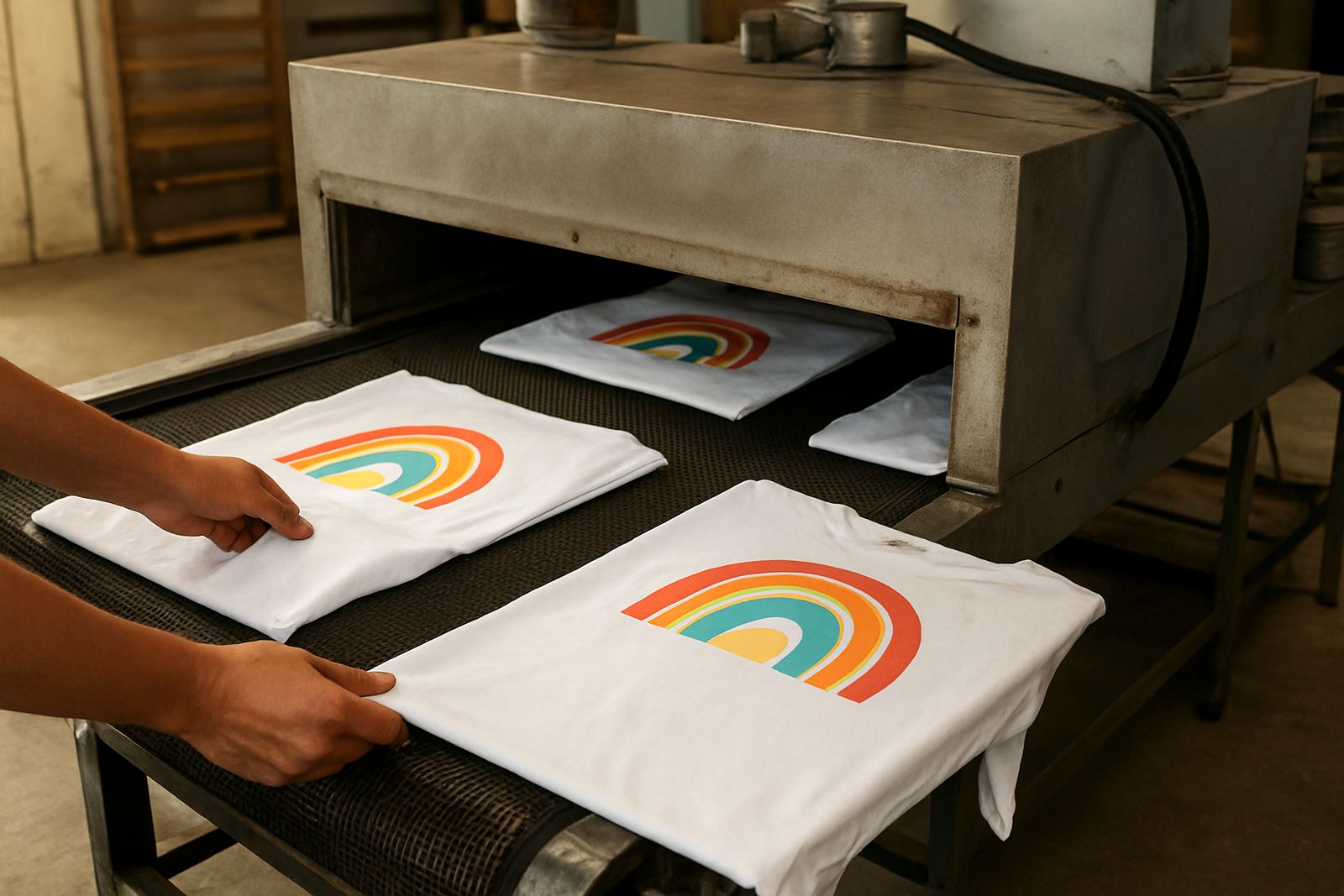
Drying and curing are often spoken about as if they mean the same thing, but they do different jobs. Drying removes moisture or carrier from the print surface, while curing completes the bond so the ink or print layer can stand up to washing. If the print is only dry on the outside, it may still crack, fade or soften after a few washes.
That matters whether you are printing school sports shirts, club golf caps, staff tees or bulk event clothing. In Durban, the air itself can slow things down, especially in Umbilo during wet weather or on days when the humidity hangs around. A print that seems fine on the drying rack at 2 pm may still need more heat time before it is truly wash-ready.
As a general rule, the print should be treated according to the method used and the type of garment. Cotton, polycotton and synthetic fabrics all behave differently. Heat too low and the job is under-cured. Heat too high and you can scorch the garment, distort the design or leave a shiny mark on the fabric.
Heat, time and airflow: the three parts that must work together
Good curing is not just a question of turning up the temperature. You need the right combination of heat, dwell time and airflow so the print cures evenly through the full layer, not only on the surface. If one of those parts is off, the finish can look fine for a day or two and then fail after the first proper wash.
For most garment printing jobs, especially larger runs, the print area should be checked more than once. A shirt with a small chest print may cure differently from a full back print because the ink deposit is heavier. Caps and thicker workwear can also hold heat differently from light cotton tees.
- Use a steady heat source, not a quick blast that only touches the top layer.
- Allow enough time for the print area to reach curing temperature right through.
- Keep airflow moving so moisture and fumes do not hang around the garment.
- Check thicker prints separately from light prints, even when they are on the same run.
On busy jobs, it helps to test one sample first rather than guessing across the whole order. That saves time, and it avoids the cost of reprinting 50 or 100 shirts because the first batch was rushed.
What changes in Durban weather and coastal conditions
Durban printers work with a few local challenges that inland shops do not always face. Coastal humidity can slow evaporation, especially on rainy weeks or when garments are stored in a closed room with poor ventilation. If the print room is warm but damp, the surface may feel dry while the deeper layers still need heat.
Load-shedding adds another layer of planning. If power drops mid-cycle, a partially cured print may need to be rechecked before it goes out. It is better to extend the process than to send out stock that later fails under the first school wash. That is one reason timing and process control matter so much for KZN orders.
For Umbilo deliveries and nearby areas such as Durban Central, Berea, Pinetown and Westville, it is worth planning print turnaround with the weather in mind. A Monday order during wet, humid conditions may need different handling from a dry winter batch. The same applies to Amanzimtoti and Ballito, where sea air can be heavy and garments can absorb moisture before curing if they are not stored correctly.
Common mistakes that lead to cracking, fading and poor wash resistance
Most print failures come from simple process errors, not from the artwork itself. The design may be fine, but if the curing stage is rushed the print will not hold. This is where careful finishing matters just as much as good artwork preparation or screen making.
Here are the mistakes that cause trouble most often:
- Taking garments off the heat too soon because the surface looks dry.
- Packing shirts while they are still warm and trapping moisture in the stack.
- Using too much heat and damaging the print or fabric finish.
- Ignoring different fabric types in the same job.
- Skipping a test print before the full run.
Another common issue is poor storage after printing. If finished stock is kept in a hot car, a damp storeroom, or a tight plastic bundle for too long, the print can soften or mark against itself. A clean dry space makes a proper difference, and that applies to school orders, club kits and business uniforms alike.
How Screen Spectrum handles print finishing for mixed jobs
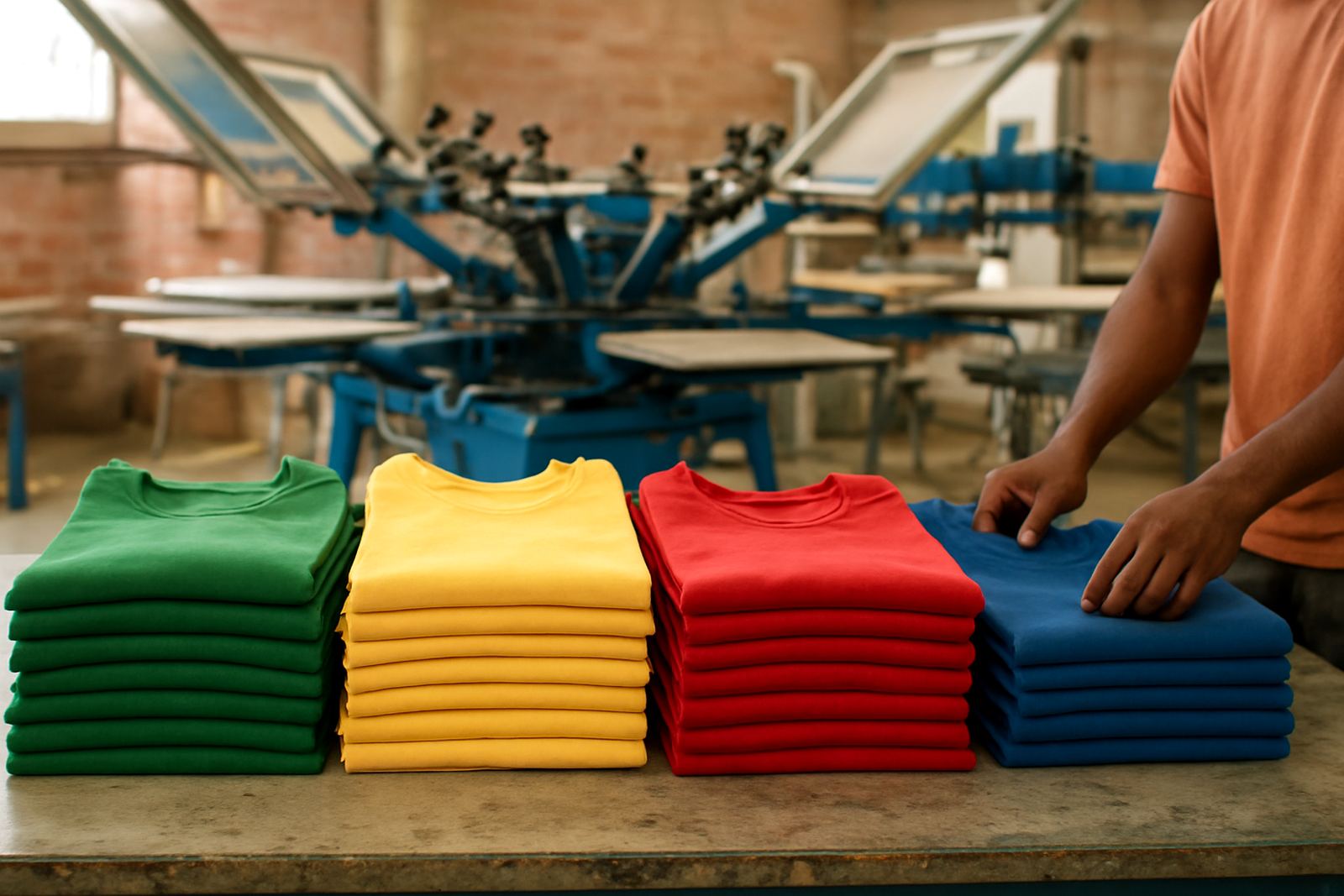
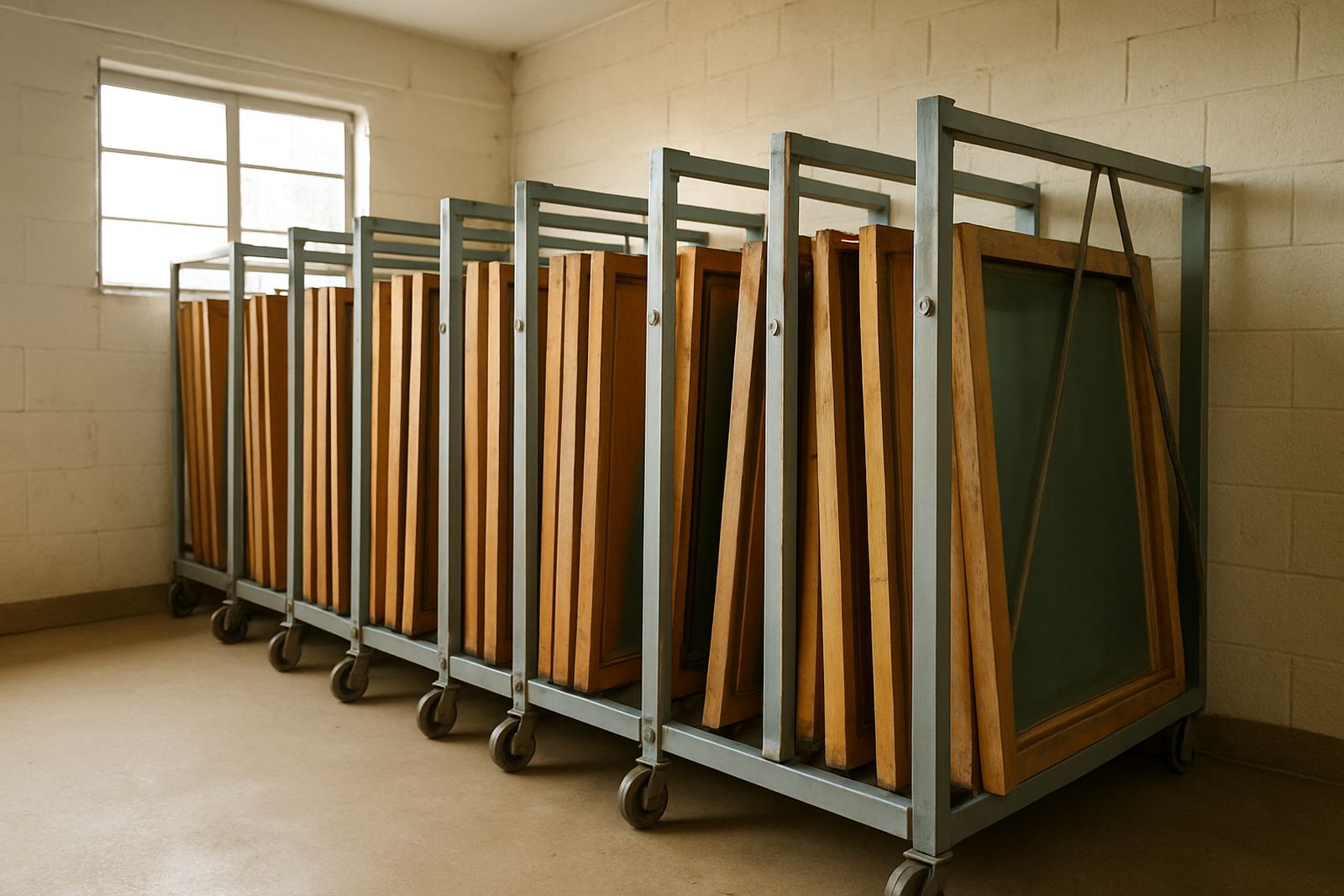
When a job includes T-shirts, caps, banners and signage, the finishing process needs to be organised from the start. Screen Spectrum manages the print preparation and finishing steps in-house, including artwork checking, colour separation, film output, screen stretching, frame reclaiming, emulsion coating, screen exposure, washout and touch-up, screen registration, test printing and screen storage. That gives the team more control over how each print is handled before it leaves the shop.
Sibusiso Mthethwa and the production team keep an eye on each stage, from the first artwork check through to the final dispatch. Yusuf Khan handles screen making, Priya Naidoo checks artwork flow, and Anele Zungu manages production timing so that the curing stage is matched to the job size. Lwazi Khumalo oversees dispatch so completed orders move out cleanly for local delivery or courier nationwide.
For example, a KZN school might order 120 event shirts, 40 staff tees and a small run of caps for a fundraiser. The prints do not all behave the same way, so each item has to be checked before packing. That sort of practical handling helps avoid comebacks, and it keeps the order ready for wear instead of just looking finished on the table.
A simple rule for stronger, wash-ready prints
The easiest way to think about curing is this: if you would not trust the garment to be washed and worn again tomorrow, it is not ready to leave. A print should be able to handle real life, not just a quick look in the packing room. That means the heat stage needs enough time, the print needs to cool properly, and the job needs to be checked before dispatch.
For businesses, schools and clubs, this is what protects the order value. Strong curing helps the print survive repeated washing, drying and everyday use, whether the delivery is going to Umbilo, Pietermaritzburg or further afield by courier. It also reduces waste, because fewer garments come back with faults that could have been prevented.
Good drying and curing are not flashy steps, but they are the difference between a print that lasts and one that gives trouble after the first wash. In garment printing, that final heat stage is where the job proves itself.