Project brief for a coastal rollout
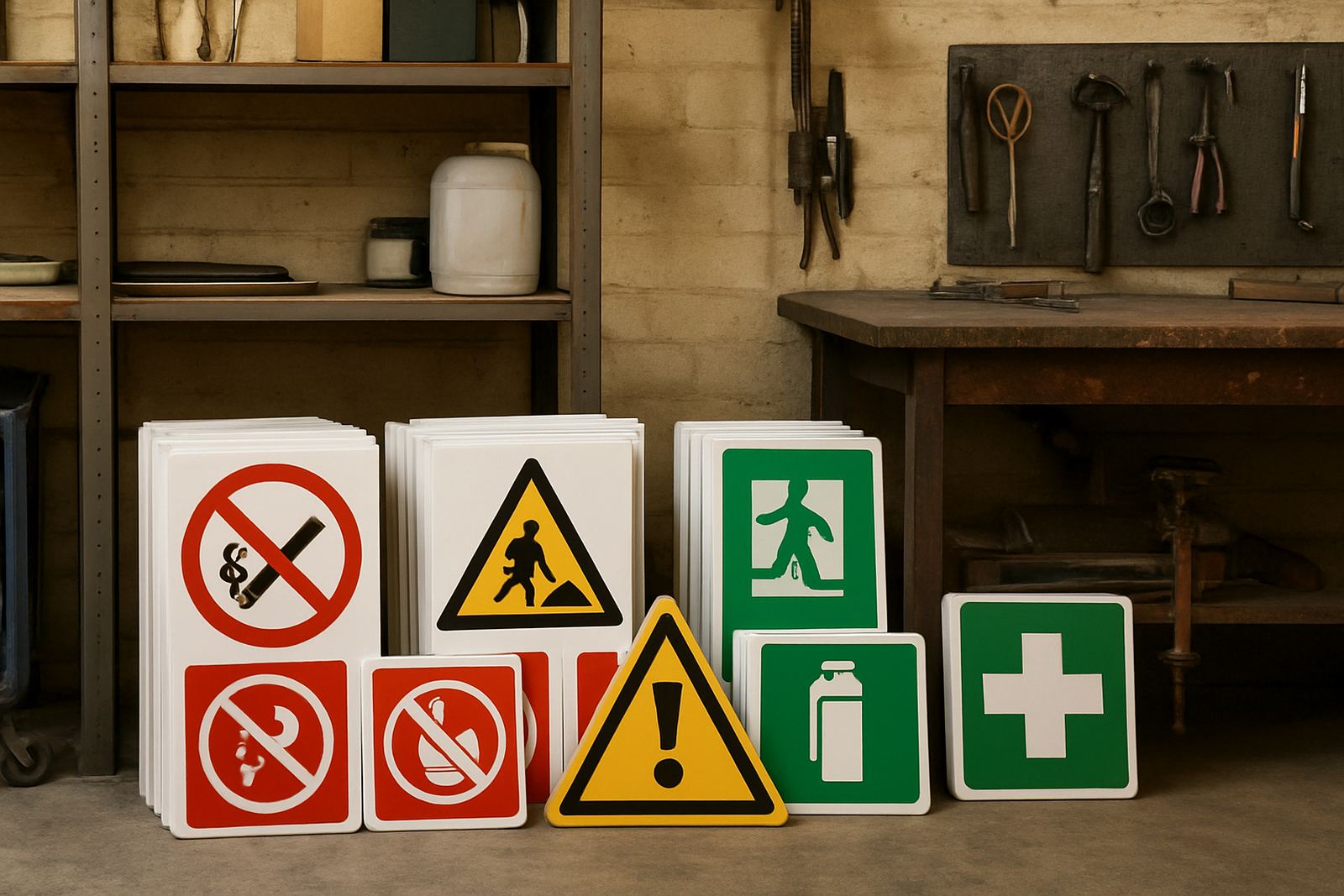
The client was a local contractor team in Richards Bay handling a multi-point rollout for a commercial site near the harbour side. They needed signage that could be read quickly, survive transport by courier, and hold up in the humid north coast conditions once installed. The order included temporary and semi-permanent signs, with sizes ranging from small directional boards to larger site panels.
The main instruction was simple: keep the branding consistent, make the copy legible from a distance, and get everything packed so it arrived flat and ready for use. Because the site was outside Durban and the install dates were fixed, we worked to a tight lead time of 2 weeks from approved artwork to dispatch.
- Client type: construction and facilities team
- Town: Richards Bay, KwaZulu-Natal
- Use: site directions, notices, branded panels
- Delivery method: courier to remote site
What made this job tricky
The biggest challenge was distance. The boards had to move from our Umbilo base to Richards Bay without scuffing, warping or corner damage. There was also a mix of indoor and outdoor placement, so material choice had to be practical rather than decorative. Coastal humidity can affect cheaper substrates, especially when boards are stored in warm vehicles or left uncovered for even a short time.
We also had to manage artwork that came in with a few spacing issues and colour shifts between files. Priya in artwork rechecked each panel before output so the text stayed consistent across the full batch. For this kind of rollout, one board being even slightly off is enough to throw the whole line out, so we paid close attention to registration and trim. That saved us a reprint later, which everyone was glad about.
- Weather concern: high humidity and salt air
- Handling concern: long courier transit
- Production concern: mixed sign sizes and repeated layouts
- Quality concern: legibility across all panels
Materials and print method we supplied
We supplied corflute for lighter temporary signage and PVC for the more permanent boards. Corflute is useful for short to medium term site messaging because it is light, easy to move and cost effective. PVC gave the client a firmer board for areas where the sign needed a cleaner finish and a bit more staying power. Both materials were cut to the required sizes and checked for clean edges before packing.
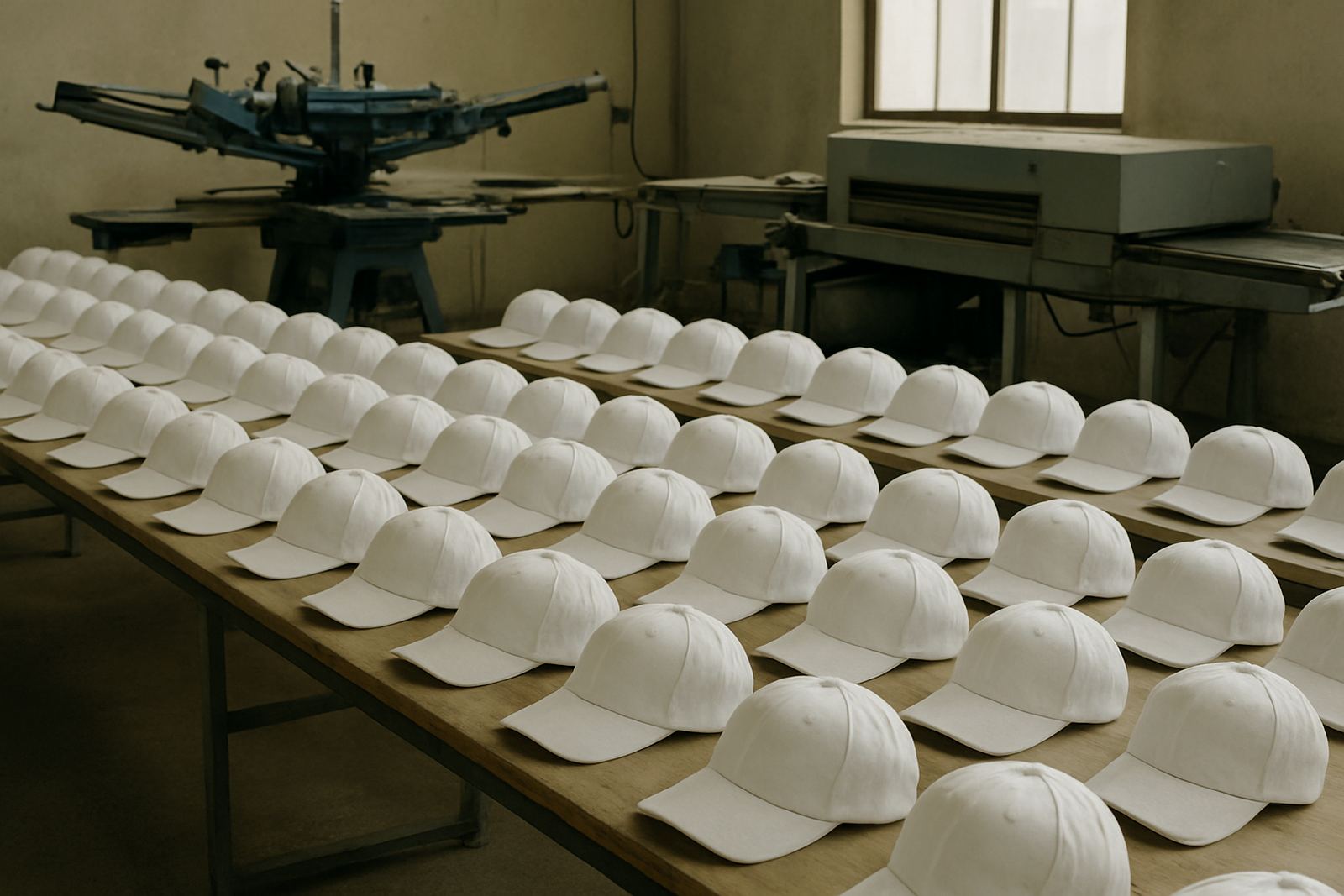
For the branding, we used screened and digitally produced elements depending on the panel. Screen work gave solid colour on repeated items, while digital output helped with finer details and text-heavy boards. Our in-house stencil and screen making setup meant we could keep the batch moving without sending parts out. Yusuf and the screen team handled the stencil work, then Anele oversaw the production run and final checks before dispatch.
- Corflute sheets for lighter directional signs
- PVC boards for stronger site panels
- Mixed print method for repeat items and detailed copy
- In-house screen making for quicker turnaround
Artwork checking and production control
Before any print ran, we went through the artwork line by line. That meant checking spelling, alignment, crop marks, colour consistency and the safe area on each panel. Where needed, we redrew logos into vector format so the edges stayed sharp when scaled up. We also separated colours where screen output was more suitable than digital print, especially on items that repeated across the rollout.
Once the files were confirmed, we moved into film output, screen stretching, emulsion coating and exposure. After washout and touch-up, the screens were registered and test printed before the full run started. That extra step matters on signage because there is no point printing 20 boards if the first one is slightly out. The work went through cleanly and there was no need to hold the courier booking at the end.
- Artwork checking and correction
- Vector redrawing for scalable graphics
- Colour separation where needed
- Test printing before full production
Packing, couriering and site delivery
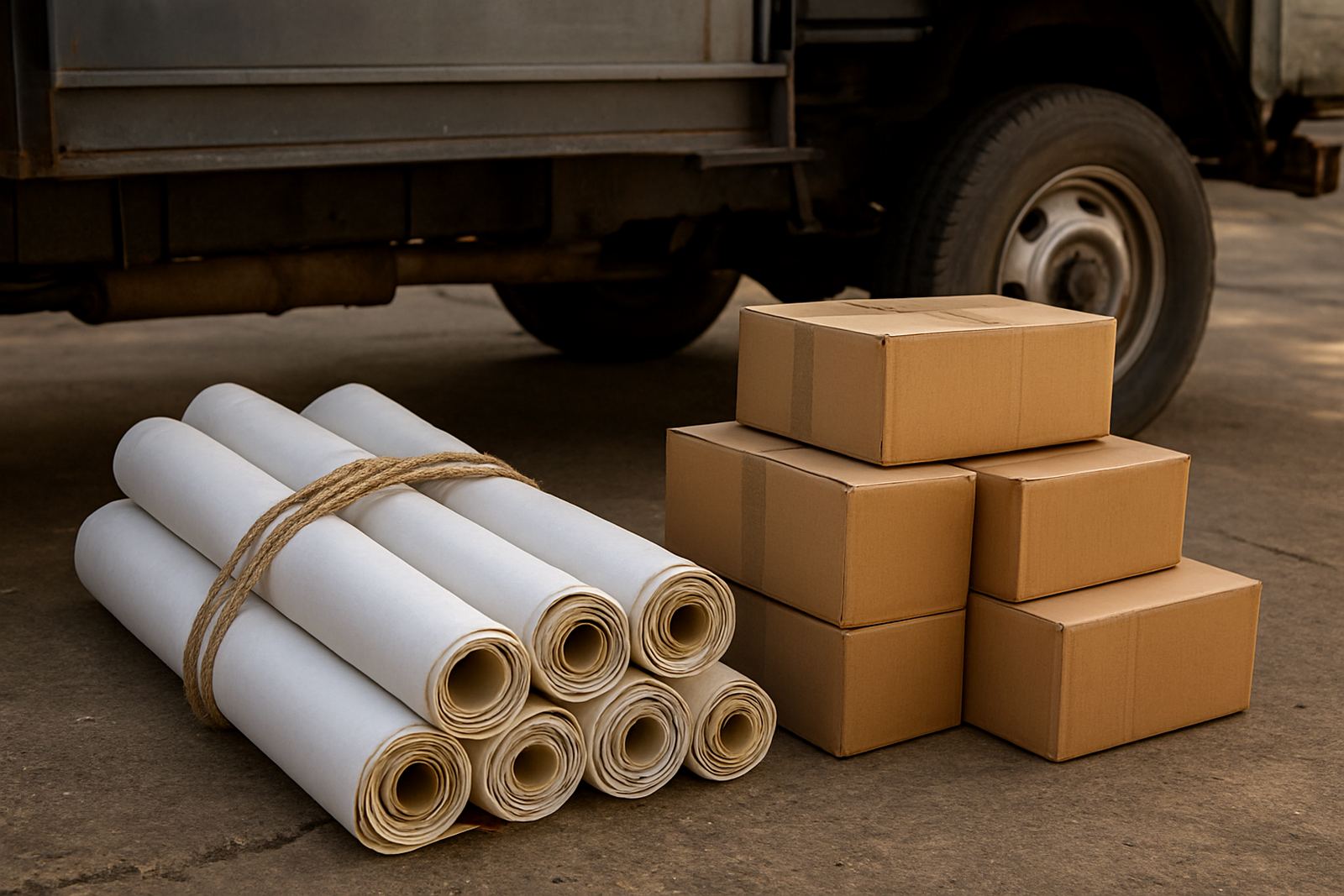
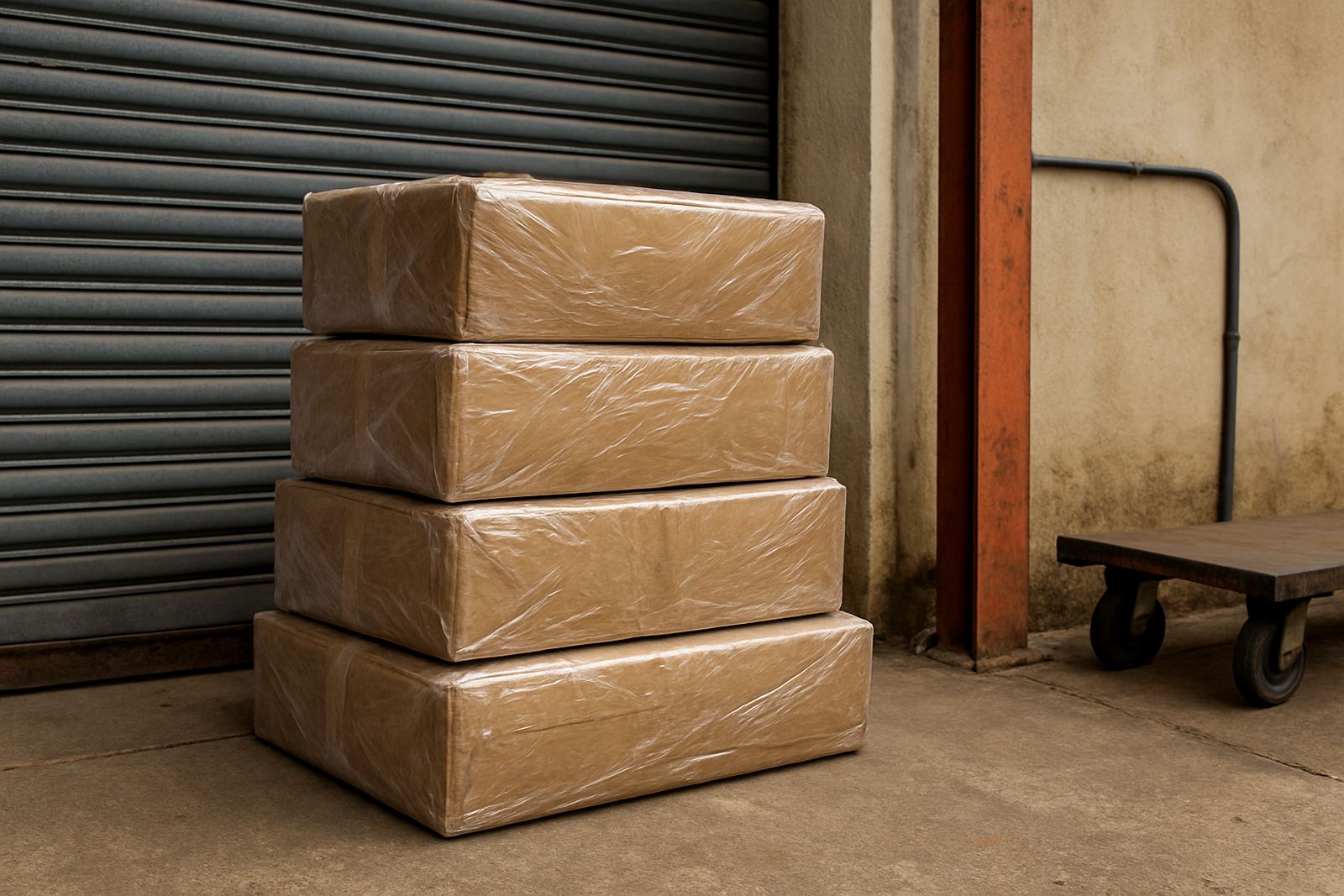
Once the boards were printed and fully checked, we packed them flat with corner protection and grouped them by install order. Lwazi in dispatch coordinated the final load so the client could unpack in sequence rather than sort through a mixed stack on site. That may sound minor, but on a remote rollout it saves time and prevents confusion when the team is working under pressure.
The courier leg was managed from Durban to Richards Bay, with delivery routed through our standard out-of-town process. We have also handled repeat deliveries into Durban Central, Berea, Pinetown, Westville, Amanzimtoti, Ballito and Pietermaritzburg, so organising batches for different destinations is part of our day to day work. In this case, the courier arrival matched the site schedule and the client could start installing without a hold-up.
- Boards packed flat for safer transit
- Corner protection used to limit damage
- Grouped by install sequence
- Courier delivery arranged for a remote site
Result on site and what we would repeat
The finished signs arrived in good condition and were installed across the site without extra cutting or rework. The client wanted straightforward, readable signage and that is what they got. The corflute items suited the lighter directional points, while the PVC panels gave the stronger areas a cleaner, more durable finish. The whole job ran over 2 weeks from approval to dispatch, which kept the rollout on schedule.
If we were doing the same job again, we would follow the same process: confirm the artwork early, split the materials by use, and pack the boards in the order they will be needed on site. For remote work, that approach is the safest. It keeps transport simple, limits waste, and gives the install team exactly what they need without fuss. That is usually what matters most on a job like this, not fancy extras.
- Outcome: clear, usable signage delivered on time
- Best fit: mixed temporary and semi-permanent boards
- Repeat method: early approval, clean packing, courier-ready batches
Key facts
| Project | Richards Bay Signage |
|---|---|
| Client type | Construction and facilities team |
| Location | Richards Bay, KwaZulu-Natal |
| Materials | Corflute and PVC signage |
| Turnaround | 2 weeks from approval to dispatch |
| Delivery | Courier to a remote site rollout |