
When a club needs shirts for the next match day
Supporter wear usually starts with a simple brief, a crest on the chest, a slogan on the back, player numbers if needed, and a colour that matches the club. In Durban and across KZN, many clubs are also working around tight timelines, school calendars, rainy season delays and budget approvals from committees, so the order has to be clear from the start.
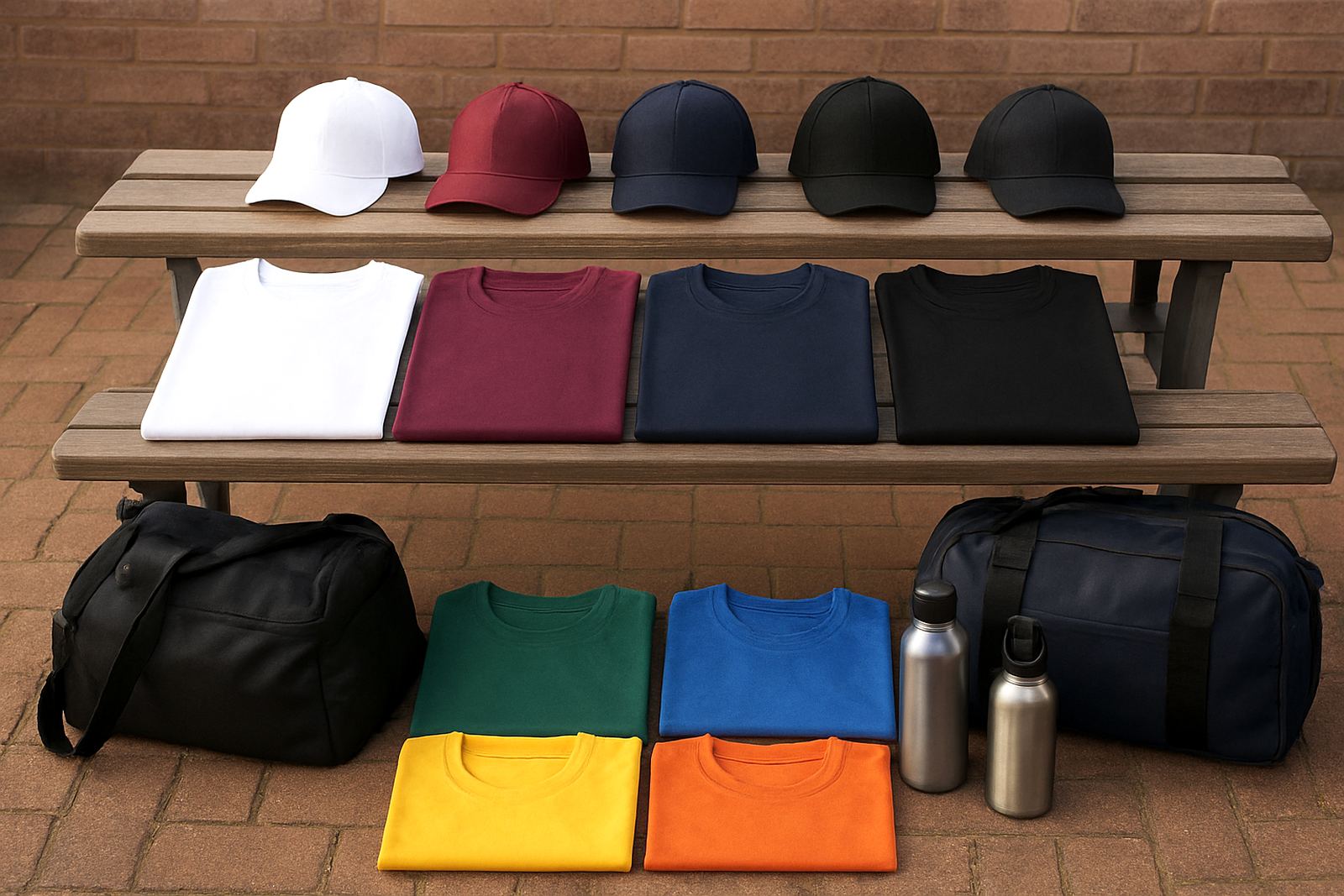
We help with garments for rugby, soccer, netball, cricket, bowls, running clubs and community groups. That can mean cotton T-shirts for fundraisers, performance shirts for active wear, caps for shade on the sidelines, or hoodies and track tops for cooler inland weather around Pietermaritzburg and the Midlands. If the club is supplying different age groups, it helps to plan sizing early because youth, ladies and unisex cuts often need separate approval.
For some orders the artwork is ready and just needs checking. For others, the club only has a photo of an old shirt or a logo sent from a phone, and we redraw it into clean artwork that prints properly. That step matters because text that looks fine on screen can blur on fabric if the file is not set up for print. We also look at print positions so a crest does not sit too high, too low, or too close to a seam.
Typical printing setup for supporter wear
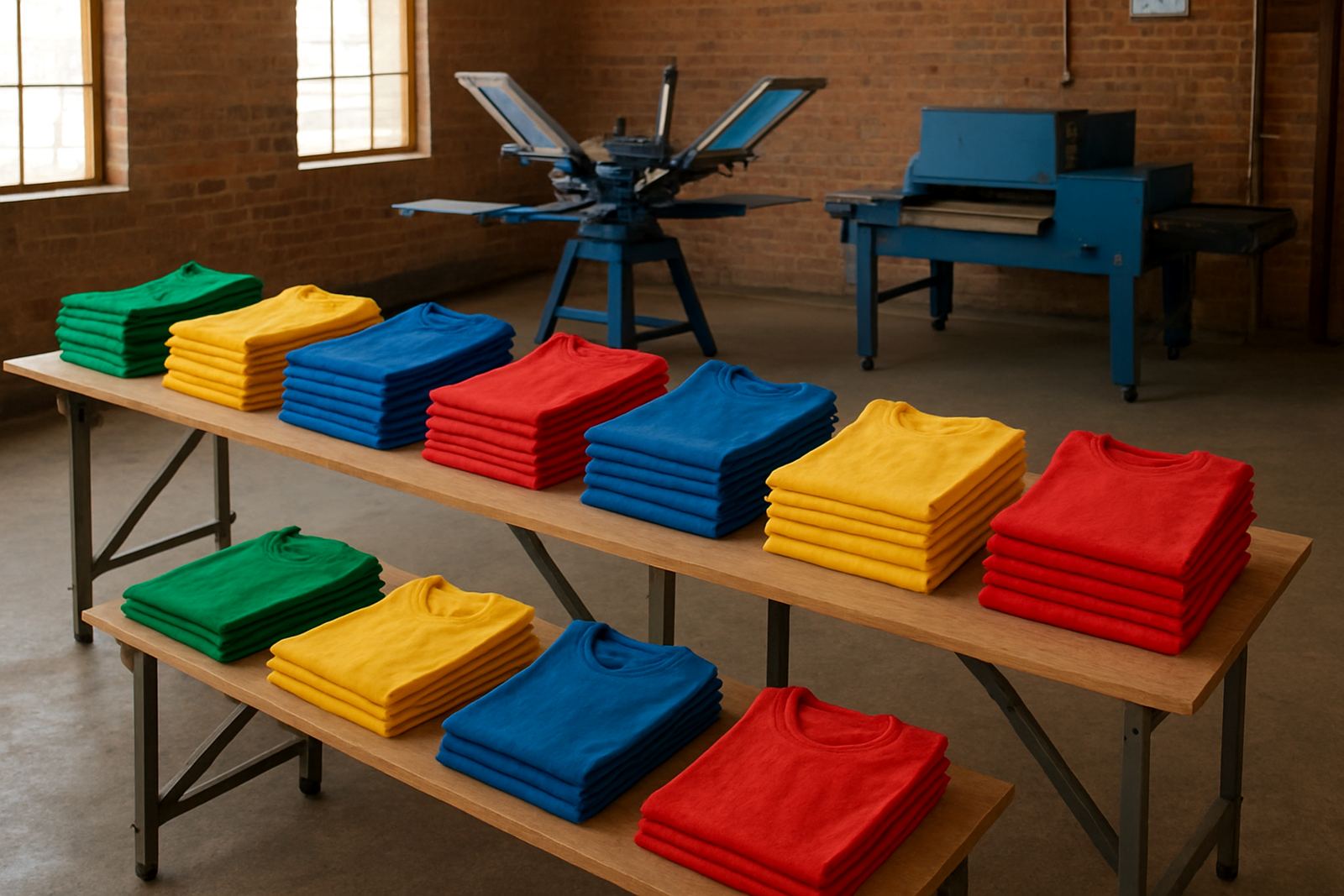
The right equipment depends on the size of the run and the number of colours in the design. Simple one or two colour prints on cotton shirts often suit screen printing, while full colour artwork, shaded crests or photographic elements are better handled with digital methods. For mixed club orders, a combination of both is common, especially when some garments need names and numbers and others only need a front logo.
- Artwork checking and vector redrawing for crests, sponsors and slogans
- Colour separation for multi colour screen work
- Film output for clean stencil preparation
- Screen stretching, emulsion coating and exposure
- Washout, touch-up and screen registration for accurate placement
- Test printing before the full run starts
- Screen storage and reclaiming for repeat orders later in the season
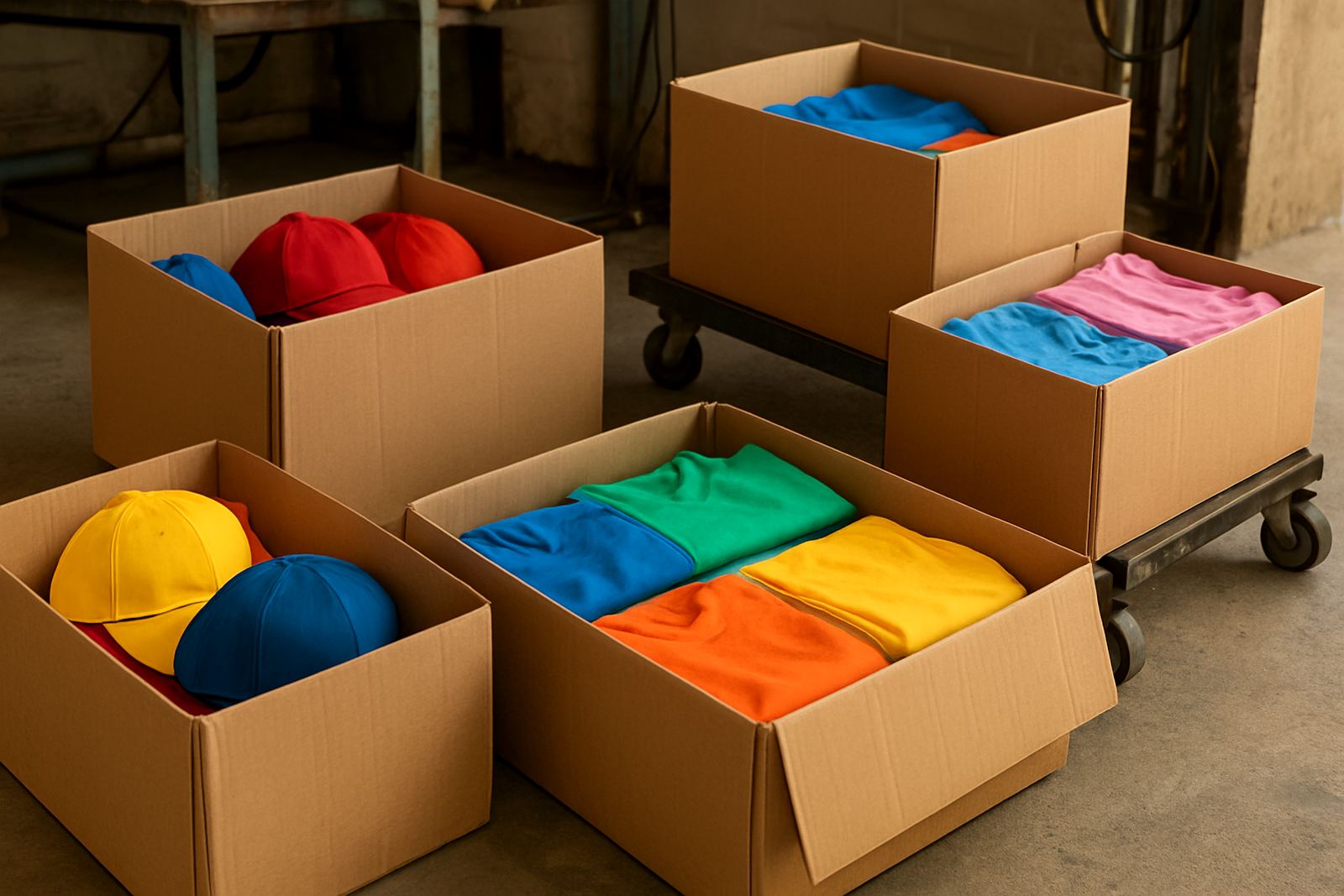
Umbilo is a practical base for Durban collections and deliveries into Durban Central, Berea, Pinetown, Westville, Amanzimtoti and Ballito. For clubs outside the city, courier delivery works well when the order is packed by size and label, especially if a committee member is receiving it for distribution. With summer humidity and coastal air, we also pay attention to drying and curing so prints are ready for normal use and not tacky when packed.
How to plan the layout before printing starts
The most common mistake with club supporter wear is trying to fit too much onto one shirt. A strong layout keeps the crest readable from a distance and leaves enough open space so the garment still feels comfortable. If there are sponsors, list them in order of importance before artwork starts, because the logo placement can change the whole garment balance. Small clubs often ask for front and back print areas, but a cleaner result is often better than a crowded shirt.
For match-day wear, think about where the shirt will be seen. A chest crest shows well in photos and at registration tables, while a back print helps when supporters are standing in a crowd. Sleeve prints can work for tournaments, but they add cost and are not always needed. If the club is using dark garments, make sure the print colours have enough contrast. On light garments, very pale inks can disappear in bright KZN sunlight.
- Confirm garment colour before artwork is approved
- Use one clear club name format across all sizes
- Check spelling on player names and sponsor text twice
- Allow space for numbers if the same artwork will be reused
- Choose print positions that suit both youth and adult sizes
We also advise clubs to keep a master version of the artwork for future reorders. That saves time when another batch is needed for new members or a finals run. If the club committee changes every year, a proper master file prevents the artwork being rebuilt from scratch each time.
Common ordering problems and how clubs avoid them
One issue we see often is committees waiting until the last minute, then expecting a large order to be printed and sorted in a day. That can lead to rushed approvals and mistakes in size allocation. Another common problem is mixing garment types without checking how the print will behave on each fabric. A design that looks fine on a cotton T-shirt may need adjustment on a moisture-wicking shirt or cap panel.
Low-resolution logos are another headache. If the club only has a small social media image, it may print with jagged edges or muddy text. It is better to have the logo redrawn before production than to accept a blurry finish. Also, if the club has more than one branch or age group, decide early whether every item gets the same front print or whether each group needs a different back line-up.
In coastal areas like Durban, shirts may be stored in humid rooms or packed in plastic after collection. Prints should be fully cured and folded correctly so they do not stick. For clubs that sell supporter wear as a fundraiser, it is worth keeping a few extra units in the most popular sizes, usually medium, large and extra large, because those are the first to move.
Budget ranges for club supporter wear in Rand
Supporter wear budgets vary a lot depending on garment choice, number of colours, print positions and quantity. A small batch for a junior team can be quite affordable if the design is simple. A larger mixed order with names, numbers and multiple print positions will naturally cost more. As a practical guide, many clubs start with a small test run before committing to a bigger seasonal order.
For basic supporter T-shirts with one or two print positions, clubs often budget from around R85 to R160 per garment, depending on the shirt quality and quantity. Printed caps, especially when they need a clean front mark, can start from about R65 to R140 each. Hoodies and heavier tops normally sit higher, often from R220 to R420 or more, because the garment cost itself is higher and the print area may need extra care.
If the order includes artwork redrawing, colour separation or screen setup, those preparation steps may be charged separately, particularly on smaller runs. That said, the setup cost is usually spread better when the club orders in volume or plans the season in one batch. For repeat orders, keeping screens and approved artwork on file can reduce future prep time and help keep costs steadier.
- Small club run of 20 to 30 shirts: usually higher per unit
- Mid-size run of 50 to 100 shirts: better unit pricing
- Event rush orders: allow extra budget for turnaround pressure
- Multi-item packs: shirt, cap and hoodie combinations cost more, but are easier to sell as supporter bundles
What to send through for a faster quote
When a club reaches out through the enquiry form, it helps to include the garment type, sizes, colours, quantity and the print areas needed. If there is a logo, send the clearest version available, plus any wording that must appear exactly as written. If the order is for a school club or municipal sports programme, mention the delivery area so we can plan around local drop-off or courier dispatch.
For supporter wear, the fastest approvals come when one person signs off the artwork on behalf of the club. That avoids back-and-forth between committee members and keeps the production line moving. If there is a deadline for a derby, fundraiser, prize-giving or tournament, say so upfront. We can then work out whether the order suits screen printing, digital printing, or a mixed approach. A clear brief saves time and money, and it usually gives a neater result as well.
Why local clubs keep coming back
Clubs need suppliers who understand that supporter wear is not just clothing. It is identity, fundraising and team pride in one order. A good print has to hold up through wash days, travel, dust, rain and long afternoons at the field. From Umbilo in Durban, Screen Spectrum handles the practical side of that work with in-house stencil and screen making, test printing, screen storage and careful dispatch for KZN and beyond.
Whether the order is for a small neighbourhood team or a bigger school supporter range, the goal is the same: clear artwork, sensible sizing, accurate colours and a finish that suits the job. That way the club gets garments members will actually wear and keep wearing, not shirts that sit in a cupboard after one match.